Lactic Acid From Plant Sources
Auto-generated content. This description was generated automatically and is pending editorial review. Inaccuracies are possible. Found a mistake? Contact us.
What it is
Lactic acid is a naturally occurring organic acid. When derived from plant sources, it is typically produced through the fermentation of sugars found in plants, such as corn or sugarcane, by lactic acid bacteria. This process yields a food-grade acid used in various applications.
Why it's used
Manufacturers add lactic acid primarily as an acidity regulator, preservative, and flavor enhancer. It provides a mild, tangy taste and helps control pH in foods. It is commonly found in dairy products, baked goods, beverages, and pickled vegetables.
Health notes
Lactic acid is generally recognized as safe (GRAS) by the FDA for use in food. It is a normal product of metabolism in the human body. International bodies like JECFA and EFSA have evaluated lactic acid and its salts, finding them safe for consumption. No significant health concerns are associated with the typical levels found in food.
Allergen info
Lactic acid itself is not derived from any of the nine FDA major allergens. It does not contain gluten.
Products containing Lactic Acid From Plant Sources
Compare products →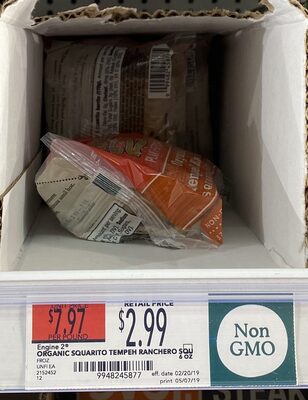 Whole Foods Market, Inc.
Organic Tempeh Ranchero Squarito Burrito, Tempeh Ranchero
135kcal
7.1Protein
2.9Fat
23.5Carbs
Whole Foods Market, Inc.
Organic Tempeh Ranchero Squarito Burrito, Tempeh Ranchero
135kcal
7.1Protein
2.9Fat
23.5Carbs
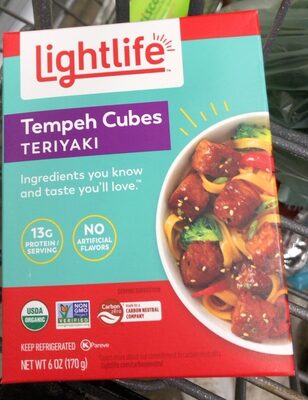 Greenleaf Foods, SPC
Lightlife Tempeh Cubes Teriyaki, 6 Oz
High in sodium — 25% DV per serving
212kcal
15.3Protein
4.1Fat
27.1Carbs
Greenleaf Foods, SPC
Lightlife Tempeh Cubes Teriyaki, 6 Oz
High in sodium — 25% DV per serving
212kcal
15.3Protein
4.1Fat
27.1Carbs
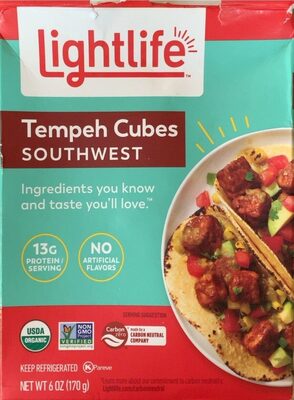 Greenleaf Foods, SPC
Southwest Tempeh Cubes
224kcal
15.3Protein
8.2Fat
21.2Carbs
Greenleaf Foods, SPC
Southwest Tempeh Cubes
224kcal
15.3Protein
8.2Fat
21.2Carbs
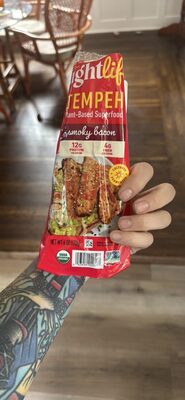 Greenleaf Foods, SPC
Smoky Bacon Tempeh, Smoky Bacon
High in sodium — 30% DV per serving
184kcal
15.8Protein
6.6Fat
13.2Carbs
Greenleaf Foods, SPC
Smoky Bacon Tempeh, Smoky Bacon
High in sodium — 30% DV per serving
184kcal
15.8Protein
6.6Fat
13.2Carbs