Light Rye Flour
What is Light Rye Flour?
Light rye flour is made from the whole rye grain, including the bran and germ, but with a higher proportion of the starchy endosperm than whole rye flour. It has a milder flavor and lighter color than whole rye flour. It is produced by milling the rye grain.
Is Light Rye Flour vegan?
Light Rye Flour is not animal-derived. Products that contain it can still include other animal-derived ingredients, so check the full ingredient list.
Is Light Rye Flour gluten-free?
Light rye flour is derived from wheat and is therefore a source of gluten.
What is Light Rye Flour used for?
Light rye flour is used as a baking ingredient, particularly in breads and rolls, to add a distinct rye flavor and a denser texture.
Is Light Rye Flour safe?
Light rye flour is a common food ingredient and is generally recognized as safe (GRAS) by the FDA.
Why it's used
Light rye flour is used as a baking ingredient, particularly in breads and rolls, to add a distinct rye flavor and a denser texture. It can also be found in crackers and other baked goods. Manufacturers use it for its flavor and baking properties.
Health notes
Light rye flour is a common food ingredient and is generally recognized as safe (GRAS) by the FDA. It is a source of dietary fiber and certain nutrients. The Joint FAO/WHO Expert Committee on Food Additives (JECFA) has evaluated rye flour and similar products. Evidence on the health effects of rye consumption generally points to benefits associated with its fiber content, such as improved digestive health.
Allergen info
Light rye flour is derived from wheat and is therefore a source of gluten. Wheat is one of the 9 FDA major allergens.
Foods that contain Light Rye Flour
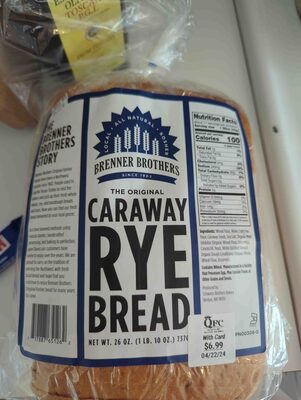
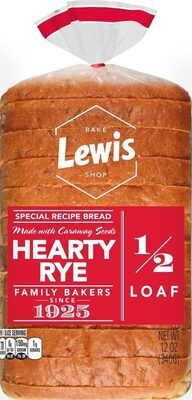
Compare products →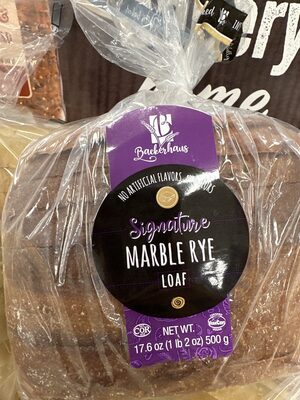
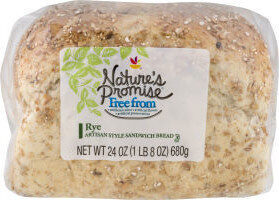 Nature'S Promise
Rye Artisan Style Sandwich Bread, Artisan Style
245kcal
8.2Protein
2.0Fat
49.0Carbs
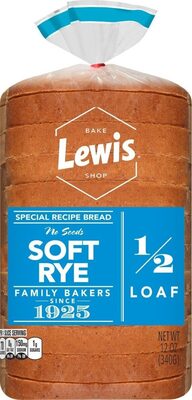
Learn more
Auto-generated content. This description was generated automatically and is pending editorial review. Inaccuracies are possible. Found a mistake? Contact us.