Non-smoked Provolone Cheese
What is Non-smoked Provolone Cheese?
Non-smoked provolone is a semi-firm, white to pale yellow cheese made from cow's milk. It is a stretched-curd cheese, similar to mozzarella, but typically aged for a shorter period. This aging process gives it a milder, slightly tangy flavor compared to smoked provolone.
Is Non-smoked Provolone Cheese vegan?
No. Non-smoked Provolone Cheese is animal-derived, so it is not vegan.
Is Non-smoked Provolone Cheese gluten-free?
It does not contain gluten.
Is Non-smoked Provolone Cheese a major allergen?
Non-smoked provolone is derived from cow's milk, which is one of the FDA's major allergens.
What is Non-smoked Provolone Cheese used for?
Manufacturers use non-smoked provolone for its mild, slightly sweet flavor and good melting properties.
Is Non-smoked Provolone Cheese safe?
Non-smoked provolone is generally recognized as safe (GRAS) by the FDA as a food ingredient.
Why it's used
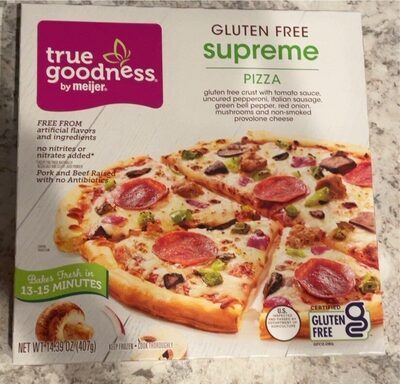
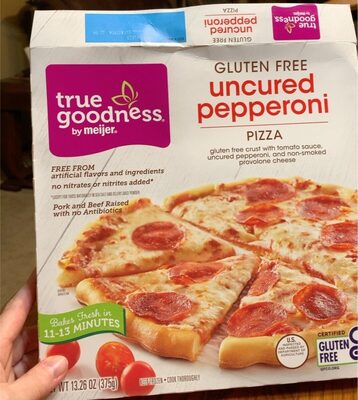
Manufacturers use non-smoked provolone for its mild, slightly sweet flavor and good melting properties. It is commonly found in pizzas, sandwiches, pasta dishes, and deli salads, where it adds a creamy texture and cheesy taste.
Health notes
Non-smoked provolone is generally recognized as safe (GRAS) by the FDA as a food ingredient. It is a source of protein and calcium. Like other cheeses, it contains saturated fat and sodium, and intake should be considered within the context of a balanced diet. JECFA and EFSA have evaluated cheese and dairy products generally, but not this specific type with numeric limits.
Allergen info
Non-smoked provolone is derived from cow's milk, which is one of the FDA's major allergens. It does not contain gluten.
Foods that contain Non-smoked Provolone Cheese
Compare products →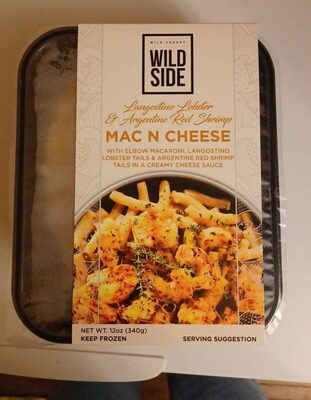
Learn more
Auto-generated content. This description was generated automatically and is pending editorial review. Inaccuracies are possible. Found a mistake? Contact us.