Oil And Salt
What is Oil And Salt?
Oil and salt are two fundamental food components. Oils are fats, typically liquid at room temperature, extracted from plants (like soybeans, sunflowers, olives) or sometimes animals. Salt is a mineral compound, primarily sodium chloride, harvested from salt mines or evaporated from seawater.
Is Oil And Salt a major allergen?
While salt itself is not a major allergen, some oils, such as peanut oil or soybean oil, are derived from major allergens (peanuts, soy).
What is Oil And Salt used for?
Manufacturers add oils for flavor, to improve texture, and as a cooking medium.
Is Oil And Salt safe?
The FDA considers many common oils and salt (sodium chloride) to be Generally Recognized As Safe (GRAS) when used appropriately.
Why it's used
Manufacturers add oils for flavor, to improve texture, and as a cooking medium. Salt is used as a flavor enhancer, a preservative, and can also affect food texture. Together, they are essential for taste and mouthfeel in many processed foods.
Health notes
The FDA considers many common oils and salt (sodium chloride) to be Generally Recognized As Safe (GRAS) when used appropriately. However, excessive intake of certain fats, particularly saturated fats, and high sodium intake are associated with health concerns. The 2025-2030 Dietary Guidelines for Americans recommend limiting saturated fat to less than 10% of daily calories. The FDA's Daily Value for sodium is 2,300 mg. Partially hydrogenated oils (PHOs), a source of artificial trans fats, are no longer GRAS since 2018. JECFA has evaluated sodium chloride and did not set a numeric limit (ADI not specified) because it is an essential nutrient.
Allergen info
While salt itself is not a major allergen, some oils, such as peanut oil or soybean oil, are derived from major allergens (peanuts, soy). If the specific oil source is not identified, it could potentially contain allergens.
Foods that contain Oil And Salt
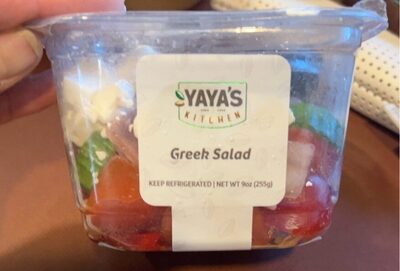
Compare products →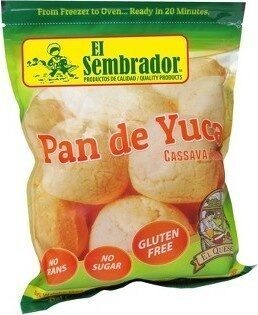
Auto-generated content. This description was generated automatically and is pending editorial review. Inaccuracies are possible. Found a mistake? Contact us.