Or Cellulose
This entry is a label phrase. See the main ingredient page: Cellulose.
What is Or Cellulose?
Microcrystalline cellulose (MCC) is a purified, partially broken-down cellulose. Cellulose is a natural polymer found in the cell walls of plants, and MCC is typically made from wood pulp or cotton linters. It is processed to create fine, white powder particles.
Is Or Cellulose vegan?
Or Cellulose is not animal-derived. Products that contain it can still include other animal-derived ingredients, so check the full ingredient list.
Is Or Cellulose gluten-free?
Microcrystalline cellulose is not derived from any of the 9 FDA major allergens and does not contain gluten.
What is Or Cellulose used for?
MCC is used as an anti-caking agent, thickener, and stabilizer in many foods.
Is Or Cellulose safe?
In the US, MCC is Generally Recognized As Safe (GRAS) by the FDA for use as an anti-caking agent and stabilizer.
Why it's used
MCC is used as an anti-caking agent, thickener, and stabilizer in many foods. It helps prevent ingredients from clumping together and improves the texture of products. You can find it in baked goods, powdered mixes, and some dairy products.
Health notes
In the US, MCC is Generally Recognized As Safe (GRAS) by the FDA for use as an anti-caking agent and stabilizer. It is not absorbed by the body and passes through undigested, acting as dietary fiber. International bodies like JECFA and EFSA have also evaluated cellulose and its derivatives.
Allergen info
Microcrystalline cellulose is not derived from any of the 9 FDA major allergens and does not contain gluten.
Foods that contain Or Cellulose
Compare products →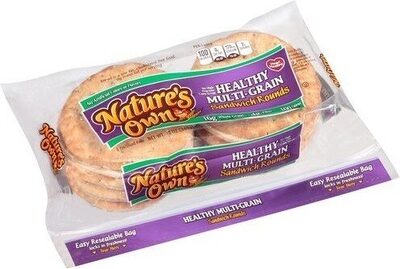
Auto-generated content. This description was generated automatically and is pending editorial review. Inaccuracies are possible. Found a mistake? Contact us.