Pastry
What is Pastry?
Pastry is a dough of flour, water, and shortening (solid fats, like butter or lard), sometimes enriched with egg yolk. It is typically baked and can be used as a base or covering for various foods. Different types of pastry, such as puff pastry, shortcrust pastry, and choux pastry, are made using different ratios of ingredients and preparation methods.
Is Pastry vegan?
No. Pastry is animal-derived, so it is not vegan.
Is Pastry gluten-free?
Pastry made with wheat flour contains gluten, a protein found in wheat, barley, and rye.
What is Pastry used for?
Pastry serves as a versatile base or casing for both sweet and savory dishes.
Is Pastry safe?
Pastry is a common food ingredient and is not subject to specific FDA regulations beyond general food safety.
Why it's used
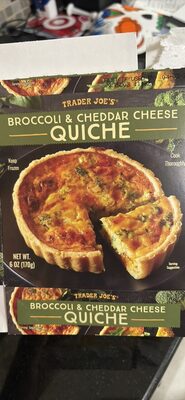
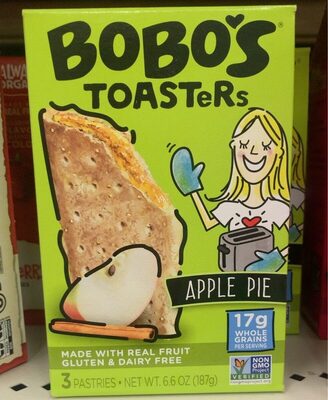
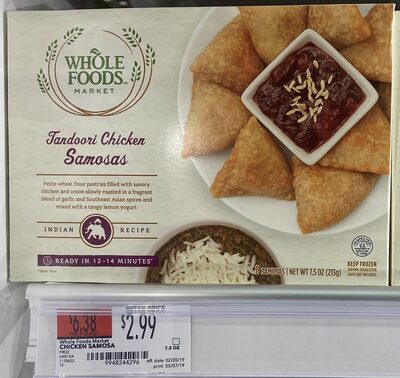
Pastry serves as a versatile base or casing for both sweet and savory dishes. It provides a flaky, crisp, or tender texture depending on the type. Manufacturers use it in items like pies, tarts, quiches, turnovers, croissants, danishes, and as a coating for sausages or other fillings.
Health notes
Pastry is a common food ingredient and is not subject to specific FDA regulations beyond general food safety. Its health impact is primarily related to its nutritional content, particularly its fat and carbohydrate content. High intake of pastries, especially those high in saturated or trans fats and added sugars, may contribute to weight gain and associated health concerns. Regulatory bodies like EFSA have evaluated many individual ingredients used in pastry, but pastry itself is not typically evaluated as a single entity.
Allergen info
Pastry made with wheat flour contains gluten, a protein found in wheat, barley, and rye. Wheat is one of the 9 FDA major allergens. If made with butter, it may also contain milk, another major allergen.
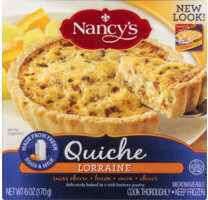
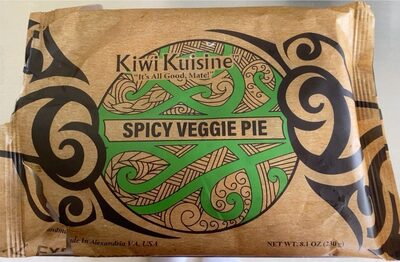
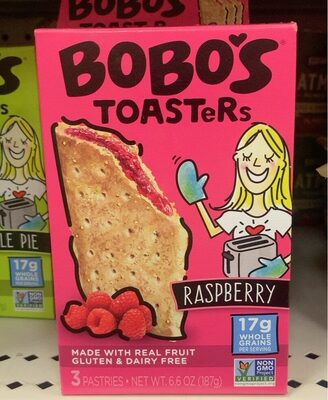
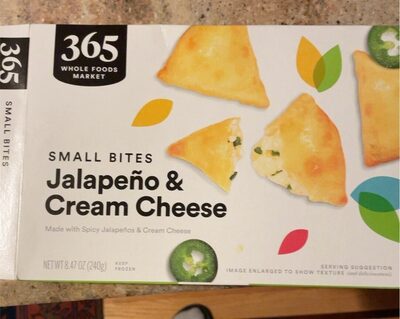
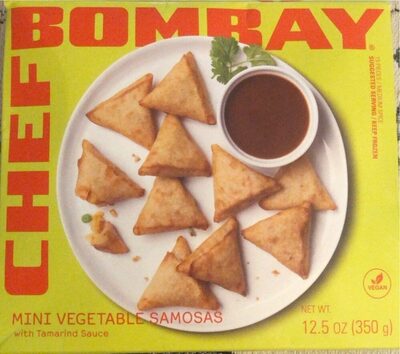
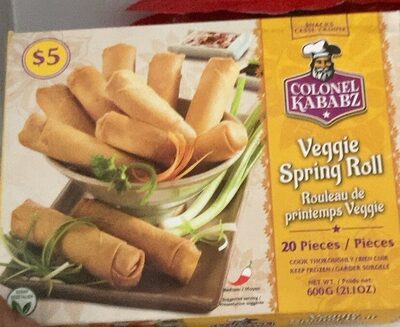
Foods that contain Pastry
Compare products →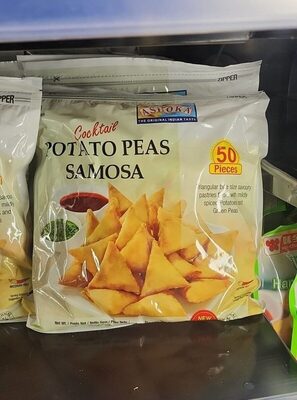
Learn more
Auto-generated content. This description was generated automatically and is pending editorial review. Inaccuracies are possible. Found a mistake? Contact us.