Powdered Whole Egg
Auto-generated content. This description was generated automatically and is pending editorial review. Inaccuracies are possible. Found a mistake? Contact us.
What it is
Powdered whole egg is made by drying whole eggs, including the yolk and white. The drying process removes water, creating a shelf-stable powder that can be stored for longer periods than fresh eggs. It is produced by spray-drying or oven-drying.
Why it's used
Manufacturers add powdered whole egg as a binder, emulsifier, and source of protein and leavening in baked goods like breads, muffins, and crackers. It helps improve texture, richness, and browning in products where fresh eggs are impractical or undesirable.
Health notes
Powdered whole egg is generally recognized as safe (GRAS) by the FDA for use in food. It is a source of protein, vitamins, and minerals. Regulatory bodies like JECFA and EFSA have evaluated eggs and egg products, and they are considered a nutritious food when consumed as part of a balanced diet. No significant health concerns are associated with its consumption at typical dietary levels.
Allergen info
Powdered whole egg is derived from eggs, which are one of the 9 major allergens identified by the FDA. It does not contain gluten.
Products containing Powdered Whole Egg
Compare products →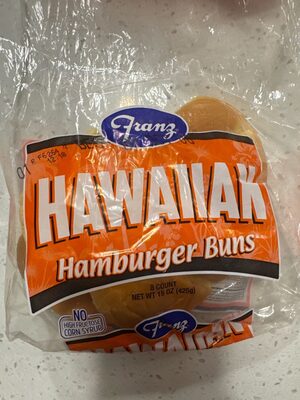 United States Bakery
Hawaiian Hamburger Buns, Hawaiian
283kcal
11.3Protein
4.7Fat
49.1Carbs
United States Bakery
Hawaiian Hamburger Buns, Hawaiian
283kcal
11.3Protein
4.7Fat
49.1Carbs