Produced By Fermentation
What is Produced By Fermentation?
Produced by fermentation is a broad term that describes ingredients made through the action of microorganisms like yeast or bacteria. These microbes break down sugars and other compounds to create new substances, often used to improve flavor, texture, or preservation in foods.
Is Produced By Fermentation a major allergen?
Not a major allergen.
What is Produced By Fermentation used for?
Fermentation is used to produce a wide range of ingredients, including acids, enzymes, and flavor compounds.
Is Produced By Fermentation safe?
Ingredients produced by fermentation are generally recognized as safe (GRAS) by the FDA when used as intended.
Why it's used
Fermentation is used to produce a wide range of ingredients, including acids, enzymes, and flavor compounds. It's common in baked goods for leavening and flavor, in dairy products for texture and tang, and in processed foods as a natural way to enhance taste and shelf life.
Health notes
Ingredients produced by fermentation are generally recognized as safe (GRAS) by the FDA when used as intended. Regulatory bodies like the WHO/FAO's JECFA and EFSA have evaluated many specific fermented ingredients, often establishing acceptable daily intake levels. The health effects of these ingredients at typical consumption levels are generally considered neutral, though specific compounds produced during fermentation can vary.
Allergen info
Not a major allergen. However, the starting materials for fermentation (like grains or milk) could potentially introduce allergens, and this information would be listed separately on the product label.
Foods that contain Produced By Fermentation
Compare products →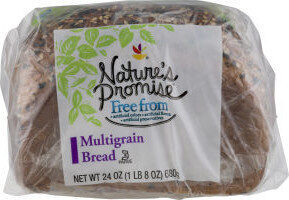
Auto-generated content. This description was generated automatically and is pending editorial review. Inaccuracies are possible. Found a mistake? Contact us.