Propylparaben
What is Propylparaben?
Propylparaben is a synthetic chemical that belongs to a group of compounds called parabens. It is manufactured for use as a preservative in various products, including foods, cosmetics, and pharmaceuticals.
Is Propylparaben vegan?
Propylparaben is not animal-derived. Products that contain it can still include other animal-derived ingredients, so check the full ingredient list.
Is Propylparaben a major allergen?
Propylparaben is not a major allergen.
What is Propylparaben used for?
Manufacturers add propylparaben to foods to prevent the growth of mold and bacteria, which helps extend the product's shelf life.
Is Propylparaben safe?
The FDA lists propylparaben as generally recognized as safe (GRAS) for use as a preservative in food.
Why it's used
Manufacturers add propylparaben to foods to prevent the growth of mold and bacteria, which helps extend the product's shelf life. It is commonly found in baked goods like cakes, cupcakes, and snack cakes, as well as in some soups and frozen appetizers.
Health notes
The FDA lists propylparaben as generally recognized as safe (GRAS) for use as a preservative in food. The European Union no longer authorizes propylparaben as a food additive: in 2004 EFSA excluded it from the group acceptable daily intake for parabens because of possible effects on male reproductive hormones seen in animal studies, and it was removed from the EU list of food additives in 2006. California's Food Safety Act (AB 418) bans propylparaben in food from 2027. Evidence on effects in people at typical dietary intake is limited and still being studied.
Allergen info
Propylparaben is not a major allergen.
Foods that contain Propylparaben
Compare products →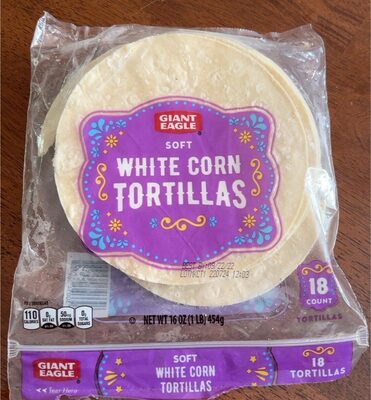
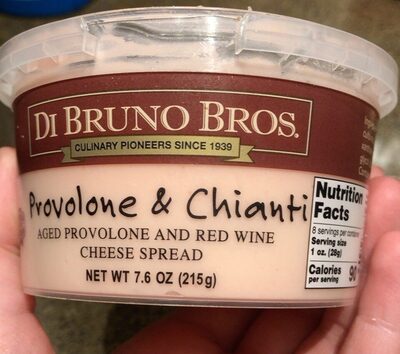
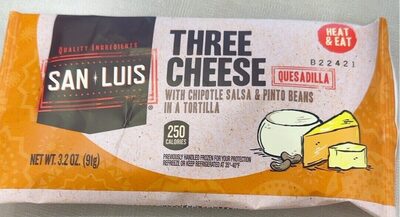
Learn more
Auto-generated content. This description was generated automatically and is pending editorial review. Inaccuracies are possible. Found a mistake? Contact us.