Provolone Cheese: Pasteurized Milk
What is Provolone Cheese: Pasteurized Milk?
Provolone cheese is a semi-hard cheese that originated in Italy. It is made from pasteurized cow's milk using a "pasta filata" or stretched-curd method, which gives it a smooth texture.
Is Provolone Cheese: Pasteurized Milk vegan?
No. Provolone Cheese: Pasteurized Milk is animal-derived, so it is not vegan.
Is Provolone Cheese: Pasteurized Milk a major allergen?
Provolone cheese is made from milk, which is one of the nine major food allergens identified by the FDA.
What is Provolone Cheese: Pasteurized Milk used for?
Provolone cheese is valued for its mild to sharp flavor and its ability to melt well.
Is Provolone Cheese: Pasteurized Milk safe?
Provolone cheese is regulated by the FDA as a food product.
Why it's used
Provolone cheese is valued for its mild to sharp flavor and its ability to melt well. It is commonly used in pizzas, sandwiches, deli platters, and baked dishes to add a savory taste and creamy texture.
Health notes
Provolone cheese is regulated by the FDA as a food product. As a dairy product, it is a source of protein and calcium. However, it can also contain saturated fat and sodium. The 2025-2030 Dietary Guidelines for Americans suggest limiting saturated fat intake to less than 10% of daily calories. The FDA's Daily Value for sodium is 2,300 mg per day. JECFA and EFSA typically evaluate food additives, not whole food ingredients like cheese.
Allergen info
Provolone cheese is made from milk, which is one of the nine major food allergens identified by the FDA.
Foods that contain Provolone Cheese: Pasteurized Milk
Compare products →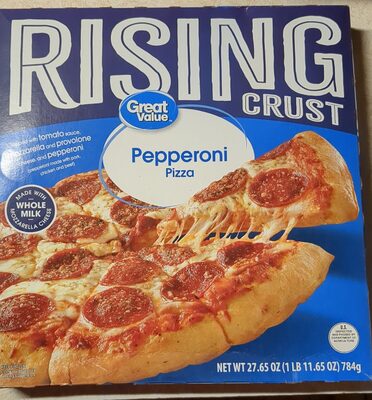
Learn more
Auto-generated content. This description was generated automatically and is pending editorial review. Inaccuracies are possible. Found a mistake? Contact us.