Pyridoxine Chlorhydrate
Auto-generated content. This description was generated automatically and is pending editorial review. Inaccuracies are possible. Found a mistake? Contact us.
What it is
Pyridoxine hydrochloride is a synthetic form of vitamin B6, a nutrient essential for human health. It is manufactured through chemical synthesis. Vitamin B6 plays a role in metabolism, brain development, and immune function.
Why it's used
Manufacturers add pyridoxine hydrochloride to foods as a nutrient supplement, primarily in breakfast cereals and infant formulas. It helps fortify these products to meet daily vitamin B6 requirements.
Health notes
Pyridoxine hydrochloride is generally recognized as safe (GRAS) by the FDA when used as a nutrient. The Joint FAO/WHO Expert Committee on Food Additives (JECFA) has evaluated vitamin B6 and established acceptable daily intake levels. While vitamin B6 is essential, very high doses taken over long periods can lead to nerve damage.
Allergen info
Not a major allergen. It is not derived from any of the nine FDA major allergens. It does not contain gluten.
Products containing Pyridoxine Chlorhydrate
Compare products → Apa Publications, Inc.
Frosted Flakes Cereal
367kcal
3.3Protein
3.3Fat
83.3Carbs
Apa Publications, Inc.
Arroz Inflado Con Sabor A Chocolate Cereal
400kcal
3.3Protein
3.3Fat
86.7Carbs
GS1 Mexico
Sweetened Cereal With Apple & Cinnamon Hoops, Sweetened Cereal With Apple & Cinnamon
High in added sugars — 24% DV per serving
400kcal
7.5Protein
2.5Fat
85Carbs
GS1 Mexico
Coco Flavored Corn Cereal Bites, Coco
High in added sugars — 22% DV per serving
400kcal
5Protein
2.5Fat
87.5Carbs
Apa Publications, Inc.
Frosted Flakes Cereal
367kcal
3.3Protein
3.3Fat
83.3Carbs
Apa Publications, Inc.
Arroz Inflado Con Sabor A Chocolate Cereal
400kcal
3.3Protein
3.3Fat
86.7Carbs
GS1 Mexico
Sweetened Cereal With Apple & Cinnamon Hoops, Sweetened Cereal With Apple & Cinnamon
High in added sugars — 24% DV per serving
400kcal
7.5Protein
2.5Fat
85Carbs
GS1 Mexico
Coco Flavored Corn Cereal Bites, Coco
High in added sugars — 22% DV per serving
400kcal
5Protein
2.5Fat
87.5Carbs
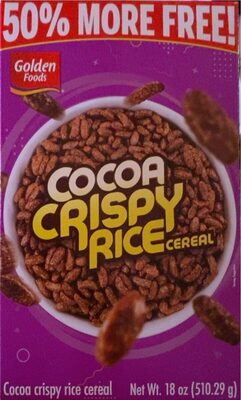 GS1 Mexico
Cocoa Crispy Rice Cereal, Cocoa
High in added sugars — 24% DV per serving
400kcal
5Protein
2.5Fat
87.5Carbs
GS1 Mexico
Cocoa Crispy Rice Cereal, Cocoa
High in added sugars — 24% DV per serving
400kcal
5Protein
2.5Fat
87.5Carbs
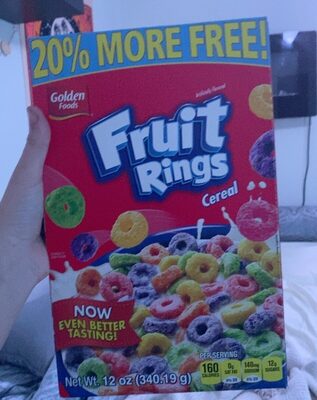 GS1 Mexico
Fruit Rings Flavored Cereal, Fruit Rings
High in added sugars — 24% DV per serving
400kcal
7.5Protein
2.5Fat
85Carbs
GS1 Mexico
Sugar Coated Corn Flakes Cereal
367kcal
3.3Protein
3.3Fat
83.3Carbs
GS1 Mexico
El Chavo Multigrain Rings Cereal, Honey Nut
400kcal
10Protein
3.3Fat
83.3Carbs
GS1 Mexico
Fruit Ring Cereal
400kcal
6.7Protein
3.3Fat
83.3Carbs
Transnational Foods, Inc.
Pampa, Fruity Wheels
400kcal
6.7Protein
3.3Fat
83.3Carbs
GS1 Mexico
Fruit Rings Cereal, Fruit Rings
High in added sugars — 24% DV per serving
400kcal
7.5Protein
2.5Fat
85Carbs
GS1 Mexico
Fruit Rings Flavored Cereal, Fruit Rings
High in added sugars — 24% DV per serving
400kcal
7.5Protein
2.5Fat
85Carbs
GS1 Mexico
Sugar Coated Corn Flakes Cereal
367kcal
3.3Protein
3.3Fat
83.3Carbs
GS1 Mexico
El Chavo Multigrain Rings Cereal, Honey Nut
400kcal
10Protein
3.3Fat
83.3Carbs
GS1 Mexico
Fruit Ring Cereal
400kcal
6.7Protein
3.3Fat
83.3Carbs
Transnational Foods, Inc.
Pampa, Fruity Wheels
400kcal
6.7Protein
3.3Fat
83.3Carbs
GS1 Mexico
Fruit Rings Cereal, Fruit Rings
High in added sugars — 24% DV per serving
400kcal
7.5Protein
2.5Fat
85Carbs
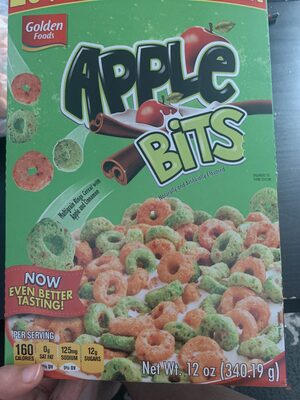 GS1 Mexico
Apple Bits Multigrain Rings Cereal, Apple And Cinnamon
High in added sugars — 24% DV per serving
375kcal
7.5Protein
1.2Fat
87.5Carbs
GS1 Mexico
Apple Bits Multigrain Rings Cereal, Apple And Cinnamon
High in added sugars — 24% DV per serving
375kcal
7.5Protein
1.2Fat
87.5Carbs