Red Rice
What is Red Rice?
Red rice is a type of rice that gets its reddish-brown color from anthocyanins, the same antioxidants found in berries. It is a whole grain, meaning it still has its bran and germ layers intact. Red rice is grown in various parts of the world, including Asia and the United States.
Is Red Rice vegan?
Red Rice is not animal-derived. Products that contain it can still include other animal-derived ingredients, so check the full ingredient list.
Is Red Rice gluten-free?
It does not contain gluten.
Is Red Rice a major allergen?
Red rice is not derived from any of the nine FDA major allergens.
What is Red Rice used for?
Red rice is often used as a visually appealing alternative to white or brown rice.
Is Red Rice safe?
Red rice is generally recognized as safe (GRAS) by the FDA when used as a food ingredient.
Why it's used
Red rice is often used as a visually appealing alternative to white or brown rice. Its nutty flavor and slightly chewy texture make it suitable for side dishes, pilafs, salads, and grain bowls. Manufacturers may use it to add color and a whole-grain component to packaged foods.
Health notes
Red rice is generally recognized as safe (GRAS) by the FDA when used as a food ingredient. It is a source of fiber and antioxidants. International bodies like JECFA have evaluated rice and its components, but specific evaluations for 'red rice' as a distinct ingredient with defined limits are not typically highlighted. Evidence suggests that whole grains like red rice can be part of a healthy diet, contributing to overall well-being.
Allergen info
Red rice is not derived from any of the nine FDA major allergens. It does not contain gluten.
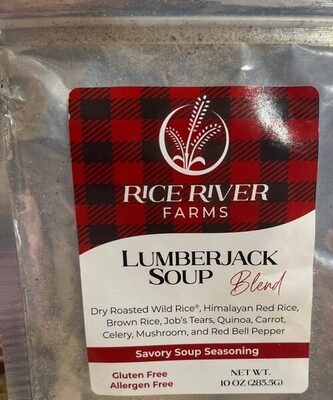
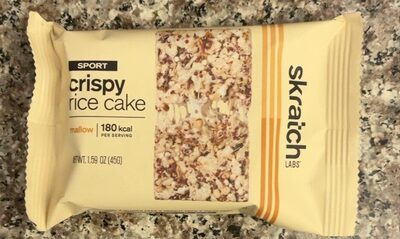
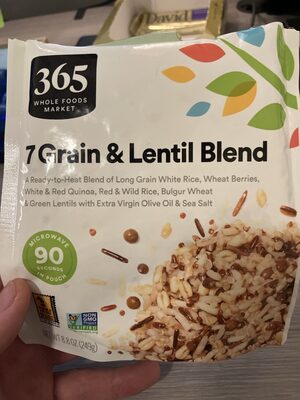
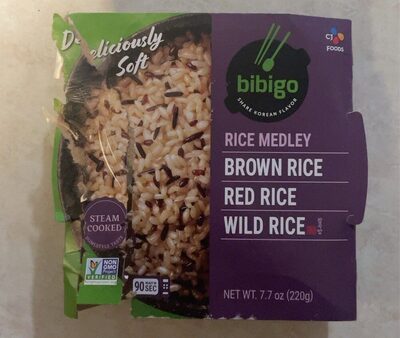
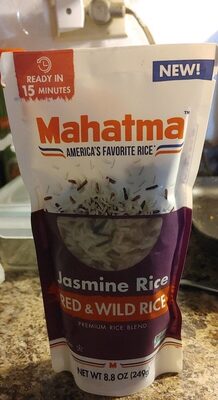
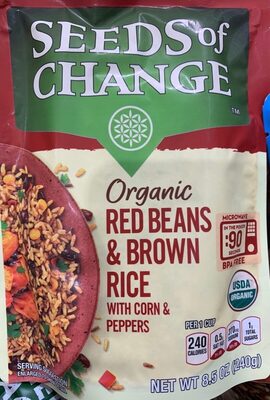
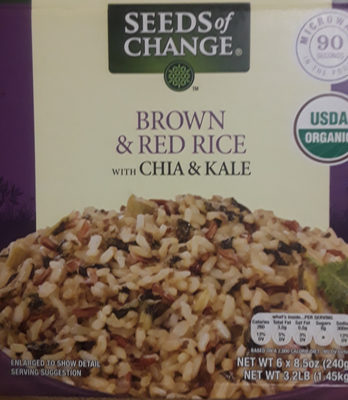
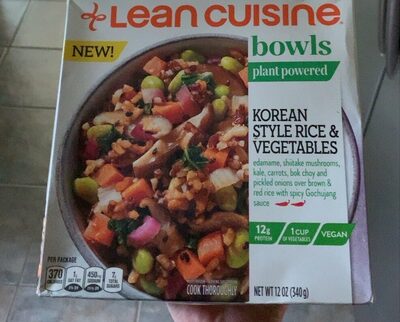
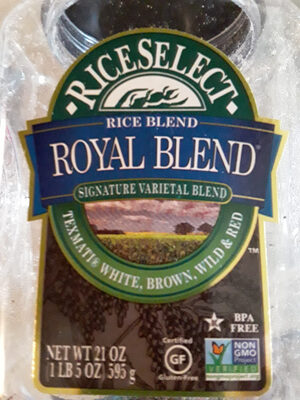
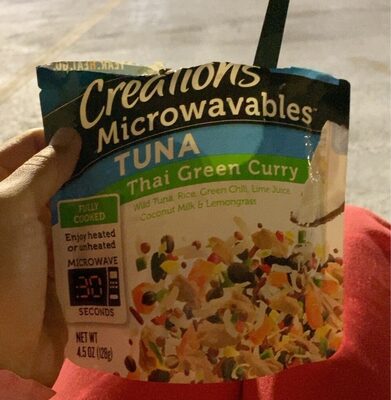
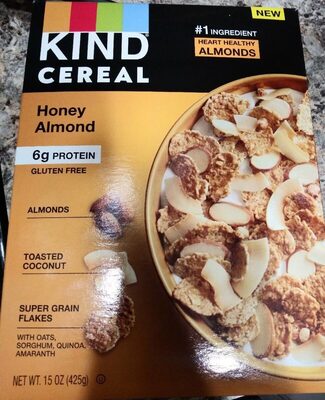
Foods that contain Red Rice
Compare products →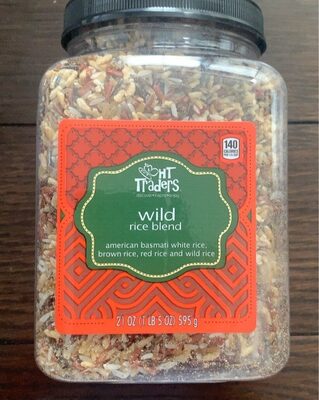
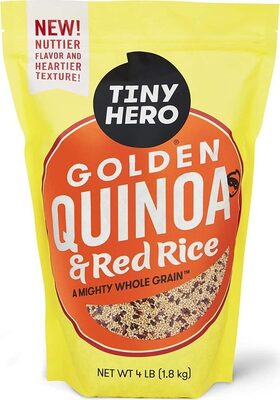
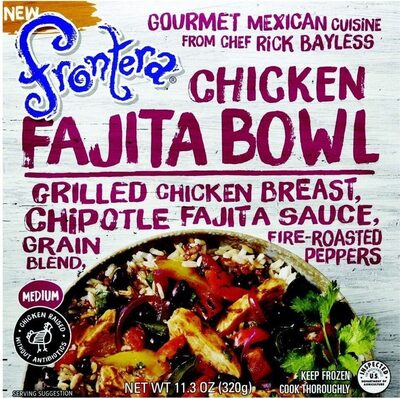
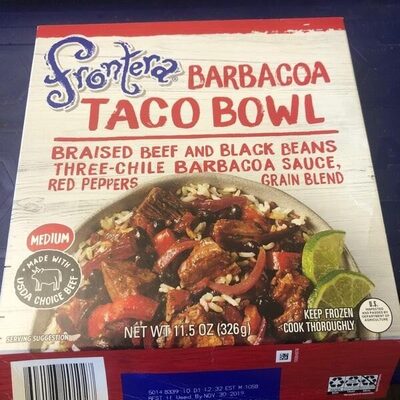
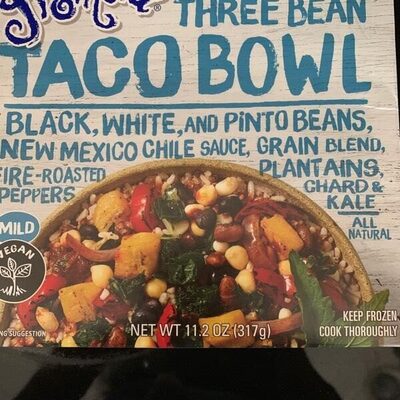
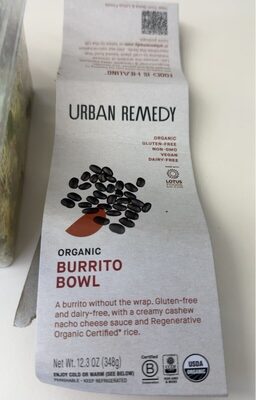
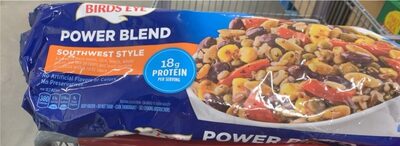
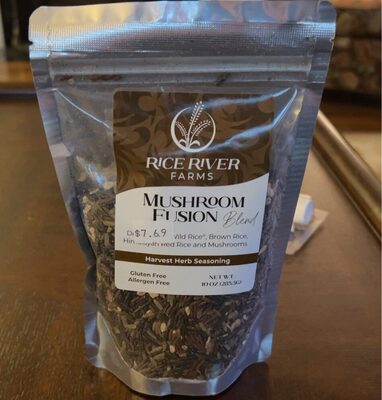

Learn more
Auto-generated content. This description was generated automatically and is pending editorial review. Inaccuracies are possible. Found a mistake? Contact us.