Rennet Enzymes
What is Rennet Enzymes?
Rennet enzymes are proteins that help milk coagulate, or thicken. They are traditionally sourced from the stomachs of young, unweaned calves. Today, many rennet enzymes are produced through fermentation using specific microorganisms or are genetically engineered in labs.
Is Rennet Enzymes vegan?
No. Rennet Enzymes is animal-derived, so it is not vegan.
Is Rennet Enzymes gluten-free?
Not a gluten source.
Is Rennet Enzymes a major allergen?
Rennet enzymes themselves are not derived from the 9 major allergens.
What is Rennet Enzymes used for?
Rennet enzymes are essential for cheesemaking, causing milk to separate into curds and whey.
Is Rennet Enzymes safe?
Rennet enzymes are generally recognized as safe (GRAS) by the FDA for use in food.
Why it's used
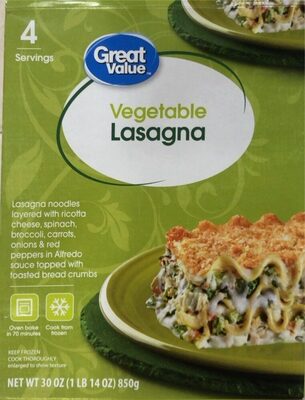
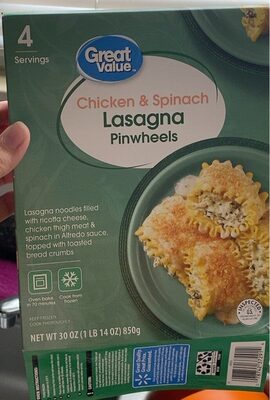
Rennet enzymes are essential for cheesemaking, causing milk to separate into curds and whey. They give cheese its characteristic texture and flavor. Rennet enzymes are found in a wide variety of cheeses and cheese-containing products like pasta dishes and frozen entrees.
Health notes
Rennet enzymes are generally recognized as safe (GRAS) by the FDA for use in food. They are broken down during digestion and are not known to have adverse health effects at typical consumption levels. International bodies like JECFA have evaluated rennet enzymes, but no specific numeric limits have been set. While traditional rennet comes from animals, microbial and vegetarian alternatives are widely available.
Allergen info
Rennet enzymes themselves are not derived from the 9 major allergens. However, traditional rennet is derived from calf stomachs, and some cheeses made with rennet may contain other allergens like milk. Not a gluten source.
Foods that contain Rennet Enzymes
Compare products →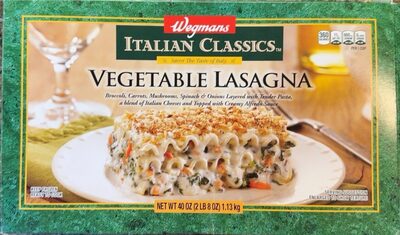

Learn more
Auto-generated content. This description was generated automatically and is pending editorial review. Inaccuracies are possible. Found a mistake? Contact us.