Rice Enriched With Iron
What is Rice Enriched With Iron?
Iron-enriched rice is white rice that has had iron added back during processing. White rice naturally loses some nutrients, including iron, when the bran and germ are removed. Manufacturers add iron to replace some of what is lost.
Is Rice Enriched With Iron vegan?
Rice Enriched With Iron is not animal-derived. Products that contain it can still include other animal-derived ingredients, so check the full ingredient list.
Is Rice Enriched With Iron gluten-free?
It does not contain gluten.
Is Rice Enriched With Iron a major allergen?
Not a major allergen.
What is Rice Enriched With Iron used for?
Iron is added to rice to help boost its nutritional value, particularly in regions where rice is a staple food and iron deficiency is a concern.
Is Rice Enriched With Iron safe?
Iron is an essential nutrient.
Why it's used
Iron is added to rice to help boost its nutritional value, particularly in regions where rice is a staple food and iron deficiency is a concern. It is commonly found in enriched white rice sold for home cooking and in some packaged rice mixes and ready-to-eat rice dishes.
Health notes
Iron is an essential nutrient. The U.S. Food and Drug Administration (FDA) considers iron to be GRAS (Generally Recognized As Safe) when used as a nutrient supplement. The Joint FAO/WHO Expert Committee on Food Additives (JECFA) has evaluated iron and established specifications for its use in food. Excessive iron intake can be harmful, but typical amounts added to enriched rice are not considered a health risk for most people.
Allergen info
Not a major allergen. Rice is not one of the 9 FDA major allergens. It does not contain gluten.
Foods that contain Rice Enriched With Iron
Compare products →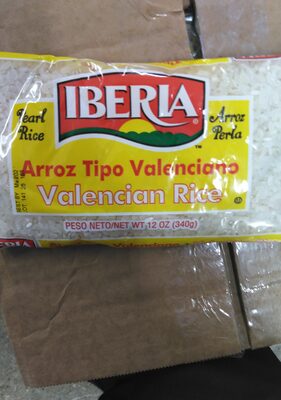
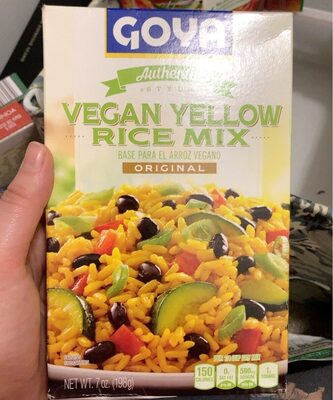
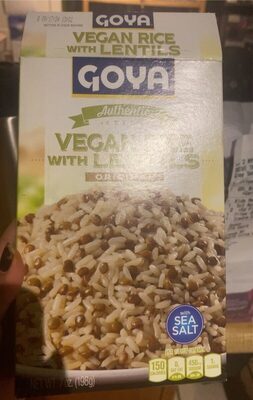
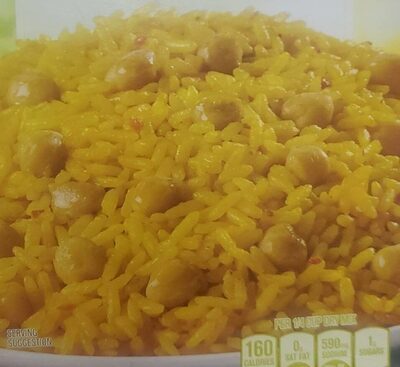
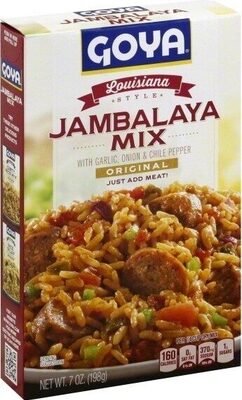
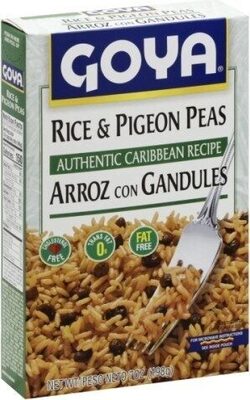
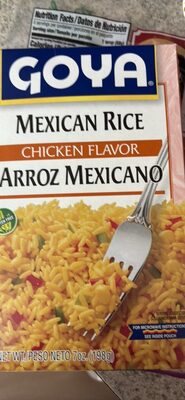
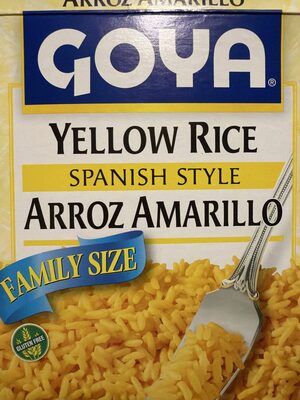 GOYA
Spanish Style Yellow Rice
High in sodium — 22% DV per serving
356kcal
6.7Protein
0Fat
77.8Carbs
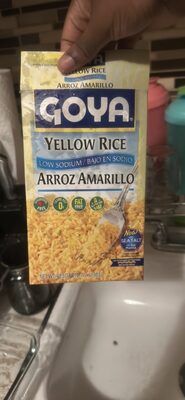
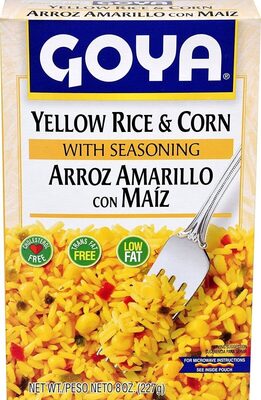
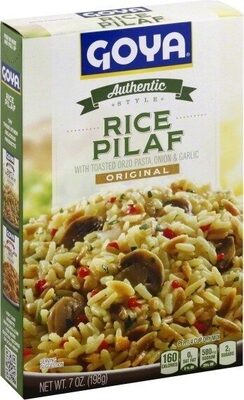
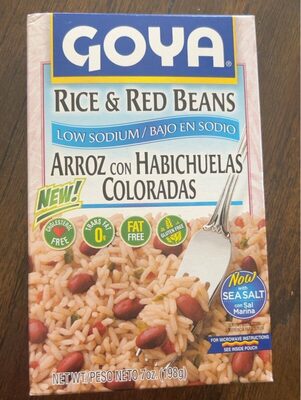
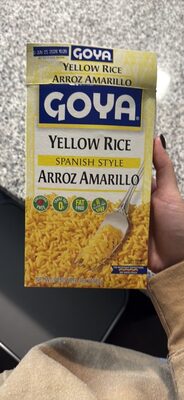
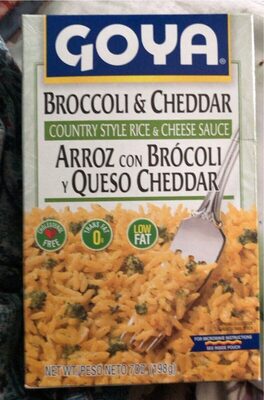
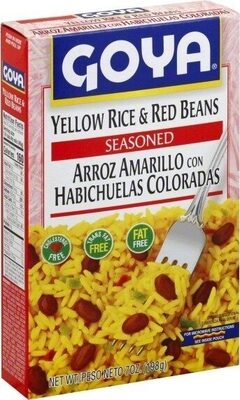
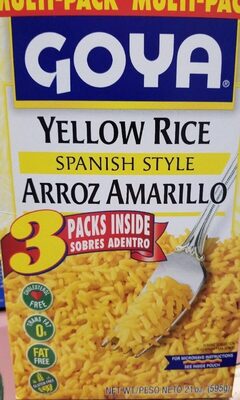 GOYA
Spanish Style Yellow Rice
High in sodium — 22% DV per serving
356kcal
6.7Protein
0Fat
77.8Carbs
Learn more
Auto-generated content. This description was generated automatically and is pending editorial review. Inaccuracies are possible. Found a mistake? Contact us.