Ricotta Cheese
What is Ricotta Cheese?
Ricotta is a fresh, soft, and mild-tasting Italian cheese. It is traditionally made from the whey left over from making other cheeses, like mozzarella or provolone. The whey is heated, and an acidifying agent like vinegar or lemon juice is added to curdle the proteins, which are then drained.
Is Ricotta Cheese vegan?
No. Ricotta Cheese is animal-derived, so it is not vegan.
Is Ricotta Cheese gluten-free?
It does not contain gluten.
Is Ricotta Cheese a major allergen?
Ricotta cheese is derived from milk and is therefore a major allergen.
What is Ricotta Cheese used for?
Manufacturers use ricotta cheese as a creamy filling and base for many dishes.
Is Ricotta Cheese safe?
Ricotta cheese is generally recognized as safe (GRAS) by the FDA for consumption.
Why it's used
Manufacturers use ricotta cheese as a creamy filling and base for many dishes. Its mild flavor and smooth texture make it ideal for pasta dishes like lasagna and ravioli, as well as in baked goods, desserts, and as a spread.
Health notes
Ricotta cheese is generally recognized as safe (GRAS) by the FDA for consumption. It is a good source of protein and calcium. Regulatory bodies like JECFA and EFSA have evaluated cheese and dairy products. Typical consumption of ricotta cheese as part of a balanced diet is not associated with adverse health effects.
Allergen info
Ricotta cheese is derived from milk and is therefore a major allergen. It does not contain gluten.
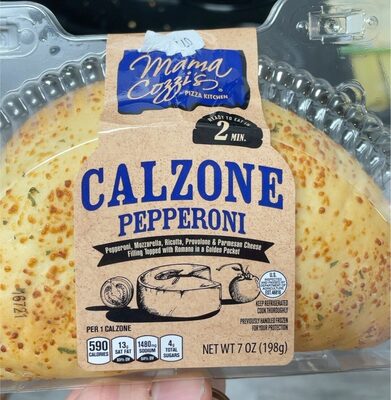
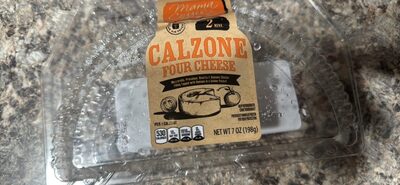
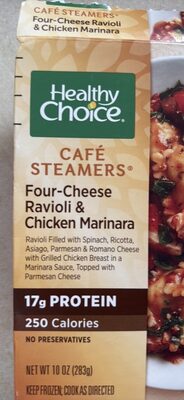
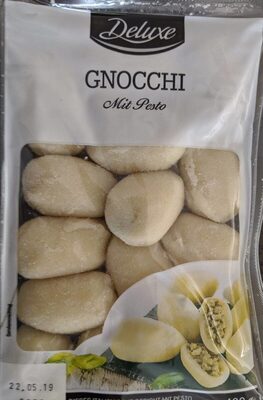
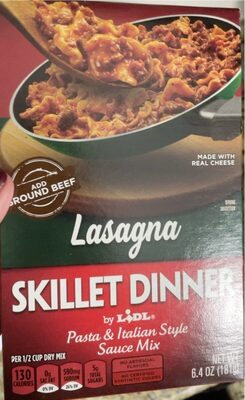
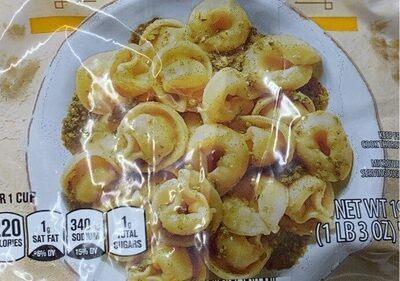
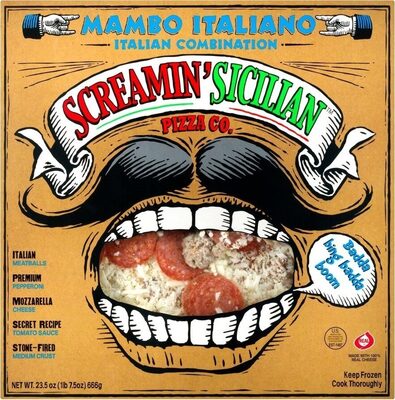
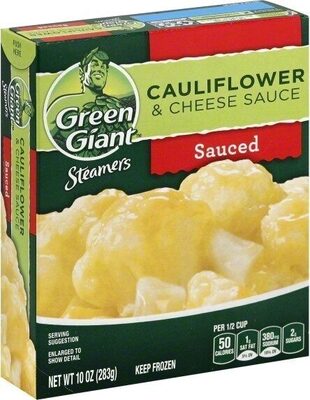
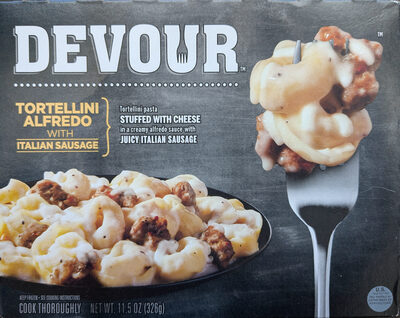
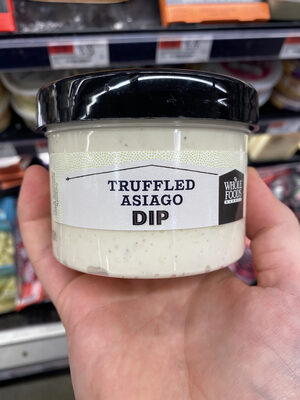
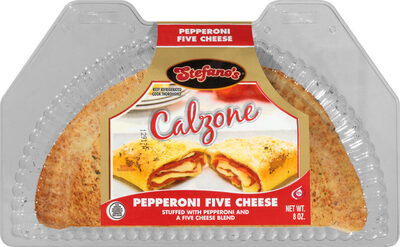
Foods that contain Ricotta Cheese
Compare products →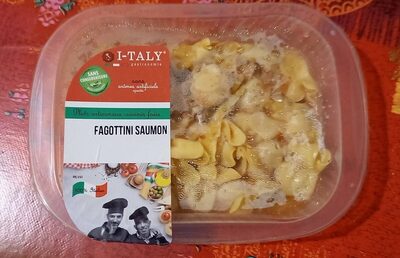
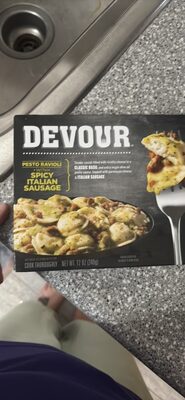
Learn more
Auto-generated content. This description was generated automatically and is pending editorial review. Inaccuracies are possible. Found a mistake? Contact us.