Saccharomyces Cerevisiae
What is Saccharomyces Cerevisiae?
Saccharomyces cerevisiae is a species of yeast, a single-celled microorganism. It is commonly known as baker's yeast or brewer's yeast. It is cultivated in controlled environments for use in food production.
Is Saccharomyces Cerevisiae vegan?
Saccharomyces Cerevisiae is not animal-derived. Products that contain it can still include other animal-derived ingredients, so check the full ingredient list.
Is Saccharomyces Cerevisiae gluten-free?
It does not contain gluten.
Is Saccharomyces Cerevisiae a major allergen?
Saccharomyces cerevisiae is not one of the nine FDA major allergens.
What is Saccharomyces Cerevisiae used for?
This yeast is primarily used as a leavening agent in baking, causing bread and other doughs to rise by producing carbon dioxide gas.
Is Saccharomyces Cerevisiae safe?
Saccharomyces cerevisiae is Generally Recognized As Safe (GRAS) by the FDA for use in food.
Why it's used
This yeast is primarily used as a leavening agent in baking, causing bread and other doughs to rise by producing carbon dioxide gas. It is also used in the fermentation process for alcoholic beverages like beer and wine. Manufacturers add it to baked goods, pizza dough, and some processed foods.
Health notes
Saccharomyces cerevisiae is Generally Recognized As Safe (GRAS) by the FDA for use in food. It is a source of B vitamins and minerals. International bodies like JECFA have evaluated it. It is generally considered safe for consumption at typical levels found in food.
Allergen info
Saccharomyces cerevisiae is not one of the nine FDA major allergens. It does not contain gluten.
Foods that contain Saccharomyces Cerevisiae
Compare products →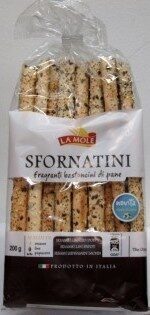
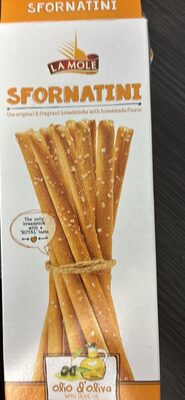

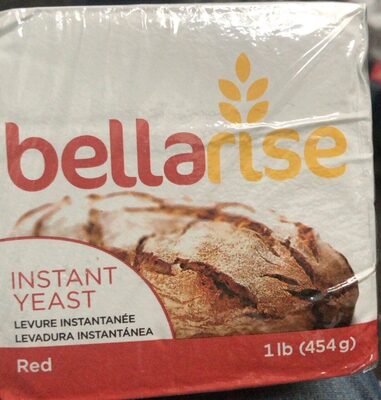
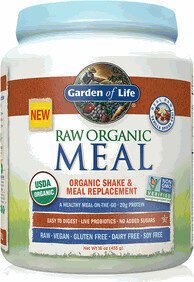
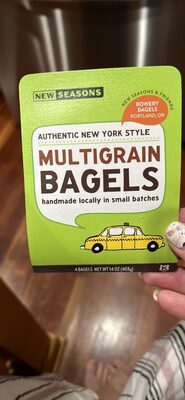
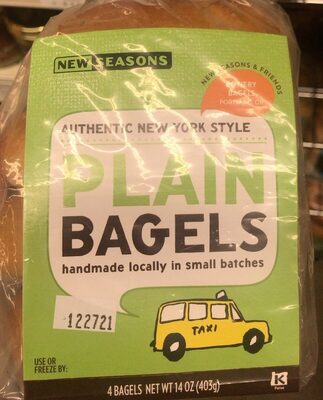
 New Seasons
Sesame Bagels, Sesame
High in sodium — 23% DV per serving
280kcal
10Protein
1Fat
57Carbs
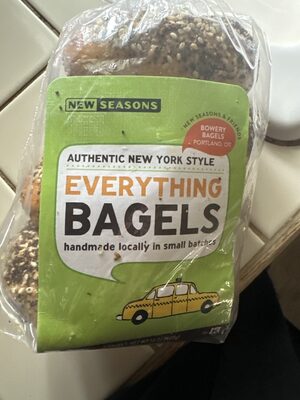
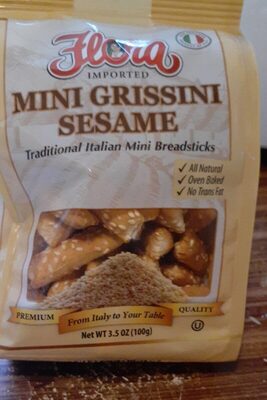
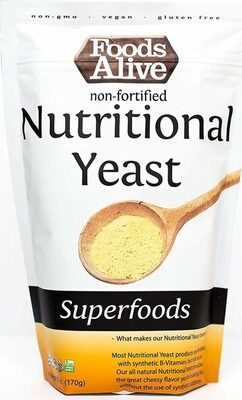
Auto-generated content. This description was generated automatically and is pending editorial review. Inaccuracies are possible. Found a mistake? Contact us.