Salad Dressing
What is Salad Dressing?
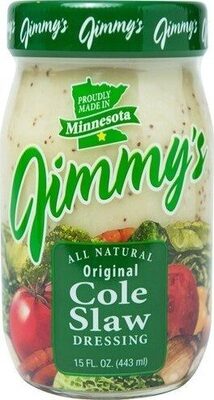
Salad dressing is a sauce typically used to flavor salads. It is usually made from oil, vinegar or other acid, and seasonings such as salt, herbs, and spices. Many commercial dressings also contain emulsifiers, sweeteners, and other additives.
Is Salad Dressing gluten-free?
Gluten-free status depends on the absence of gluten-containing ingredients.
Is Salad Dressing a major allergen?
Salad dressings may contain major allergens depending on their ingredients.
What is Salad Dressing used for?
Manufacturers use salad dressing to add flavor and moisture to salads, dips, and other dishes.
Is Salad Dressing safe?
Salad dressings are generally recognized as safe (GRAS) by the FDA when used as intended.
Why it's used
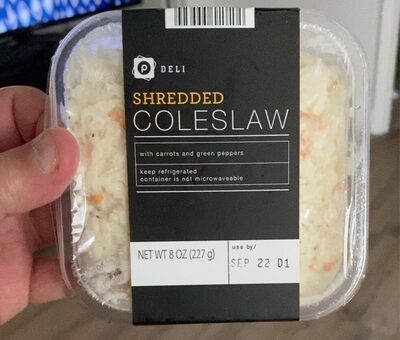
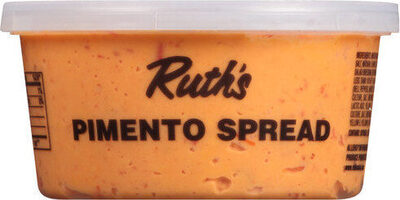
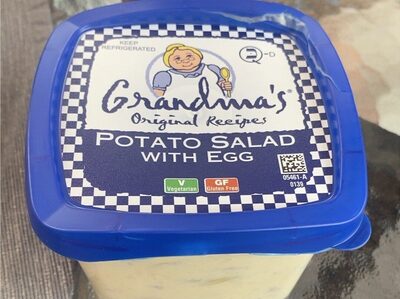
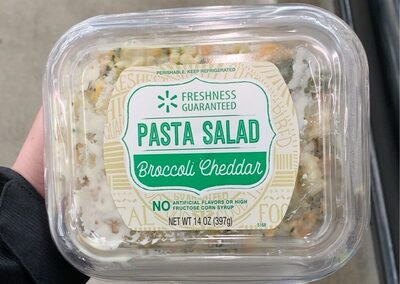
Manufacturers use salad dressing to add flavor and moisture to salads, dips, and other dishes. It can also act as a binder in dishes like pasta or potato salad. Common types include vinaigrettes, creamy dressings, and mayonnaise-based dressings.
Health notes
Salad dressings are generally recognized as safe (GRAS) by the FDA when used as intended. The health impact depends largely on the specific ingredients and their amounts, such as fat and sodium content. Regulatory bodies like JECFA and EFSA have evaluated many common salad dressing ingredients. Some ingredients may be subject to ongoing research regarding their long-term health effects.
Allergen info
Salad dressings may contain major allergens depending on their ingredients. For example, dressings made with eggs (mayonnaise), milk (creamy dressings), soy (soybean oil), or wheat (thickeners) will carry those allergen warnings. Gluten-free status depends on the absence of gluten-containing ingredients.
Foods that contain Salad Dressing
Compare products →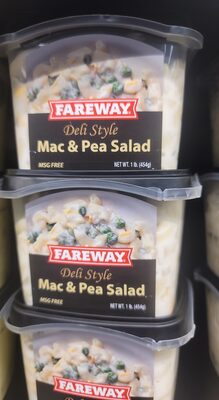
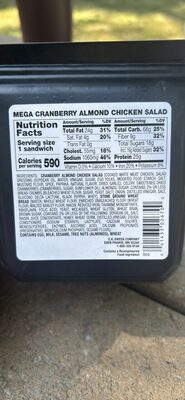
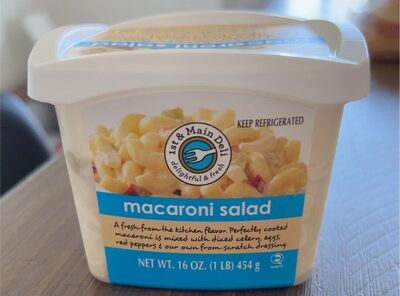
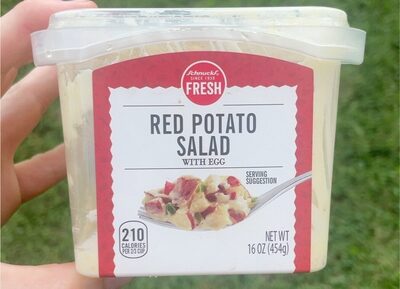

Auto-generated content. This description was generated automatically and is pending editorial review. Inaccuracies are possible. Found a mistake? Contact us.