Silicon Dioxide To Reduce Caking
What is Silicon Dioxide To Reduce Caking?
Silicon dioxide is a form of silica, which is a natural mineral made of silicon and oxygen. It is manufactured by reacting sodium silicate with a mineral acid. It is also found naturally in plants and some animals.
Is Silicon Dioxide To Reduce Caking vegan?
Silicon Dioxide To Reduce Caking is not animal-derived. Products that contain it can still include other animal-derived ingredients, so check the full ingredient list.
Is Silicon Dioxide To Reduce Caking gluten-free?
Silicon dioxide is not one of the 9 FDA major allergens and does not contain gluten.
What is Silicon Dioxide To Reduce Caking used for?
Manufacturers add silicon dioxide to powdered foods to prevent clumping and caking, helping them flow freely.
Is Silicon Dioxide To Reduce Caking safe?
Silicon dioxide is generally recognized as safe (GRAS) by the FDA for use as an anti-caking agent.
Why it's used
Manufacturers add silicon dioxide to powdered foods to prevent clumping and caking, helping them flow freely. It is commonly found in products like spice mixes, powdered drink mixes, and grated cheeses.
Health notes
Silicon dioxide is generally recognized as safe (GRAS) by the FDA for use as an anti-caking agent. It is poorly absorbed by the body and passes through the digestive system. International bodies like JECFA have evaluated silicon dioxide and established acceptable daily intake levels.
Allergen info
Silicon dioxide is not one of the 9 FDA major allergens and does not contain gluten.
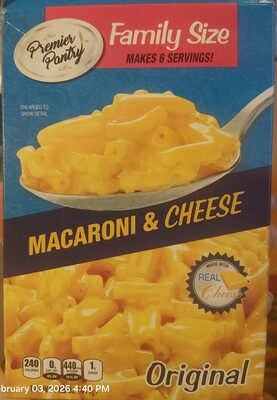
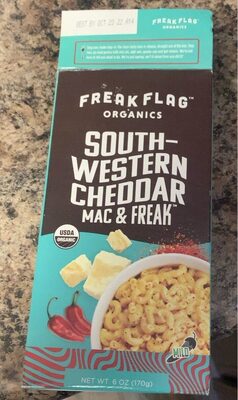
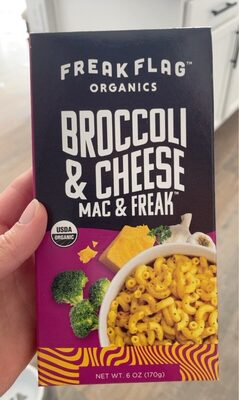
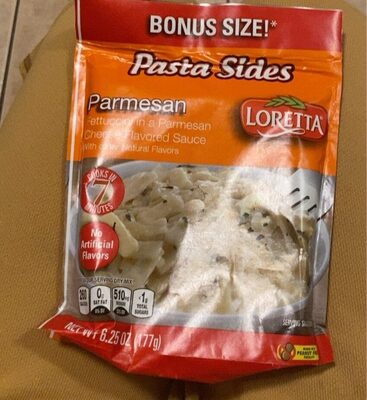
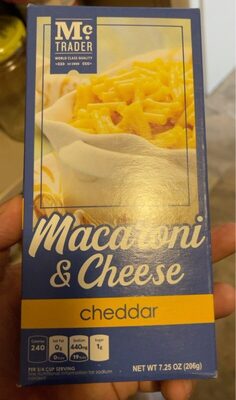
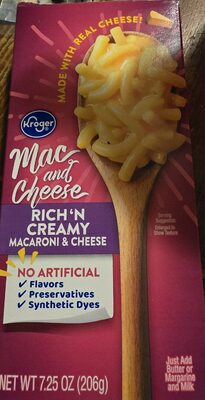
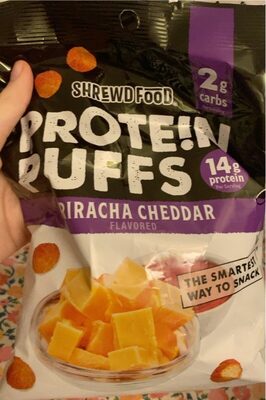
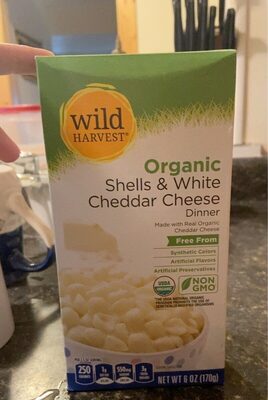
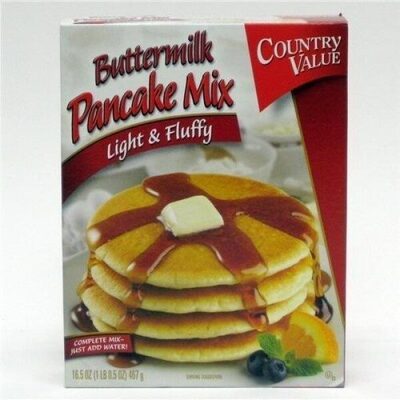
Foods that contain Silicon Dioxide To Reduce Caking
Compare products →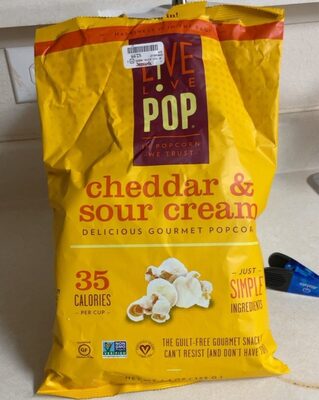

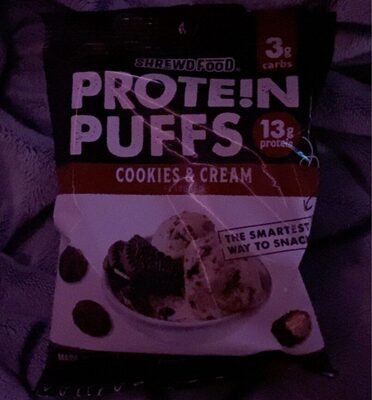
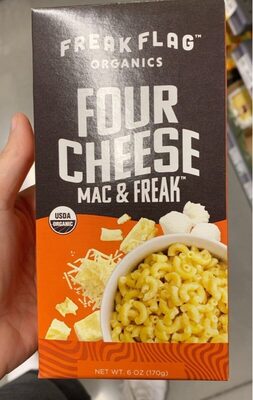
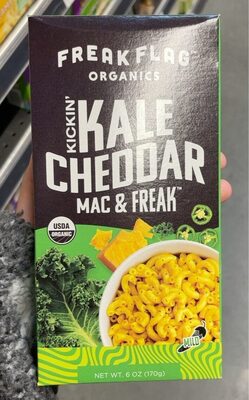
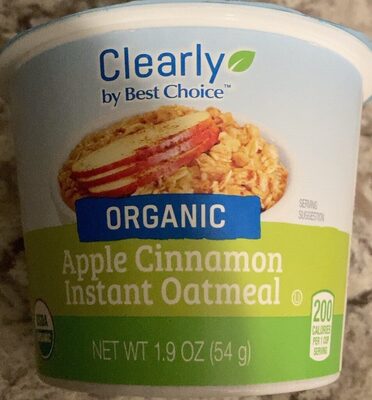
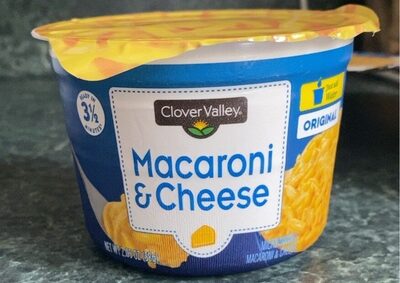
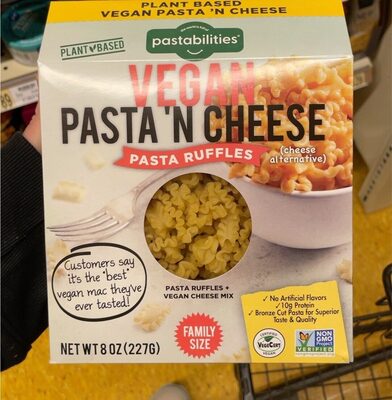


Auto-generated content. This description was generated automatically and is pending editorial review. Inaccuracies are possible. Found a mistake? Contact us.