Sorghum
What is Sorghum?
Sorghum is a type of grain that grows in warm climates. It is a staple food in parts of Africa and Asia. The grain can be milled into flour, popped like popcorn, or brewed into alcoholic beverages.
Is Sorghum vegan?
Sorghum is not animal-derived. Products that contain it can still include other animal-derived ingredients, so check the full ingredient list.
Is Sorghum gluten-free?
It is naturally gluten-free.
Is Sorghum a major allergen?
Sorghum is not one of the nine major allergens recognized by the FDA.
What is Sorghum used for?
Sorghum flour is used in gluten-free baked goods, cereals, and snack bars.
Is Sorghum safe?
Sorghum is generally recognized as safe (GRAS) by the FDA for use in food.
Why it's used
Sorghum flour is used in gluten-free baked goods, cereals, and snack bars. It can also be used as a thickener or a source of carbohydrates in processed foods. Its mild, slightly sweet flavor makes it versatile.
Health notes
Sorghum is generally recognized as safe (GRAS) by the FDA for use in food. It is a source of fiber, protein, and various micronutrients. International bodies like JECFA have evaluated sorghum and its components. Research suggests potential benefits from its antioxidant and fiber content, but more studies are needed to confirm these effects at typical consumption levels.
Allergen info
Sorghum is not one of the nine major allergens recognized by the FDA. It is naturally gluten-free.
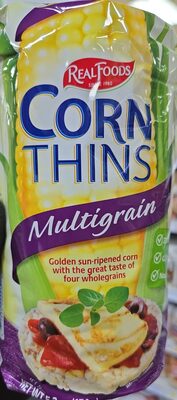
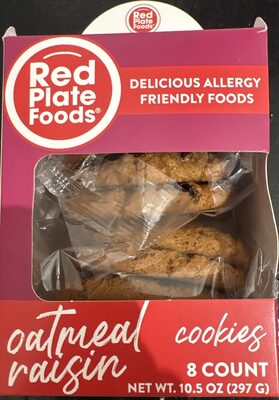
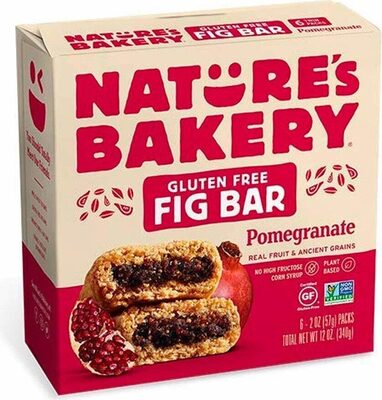
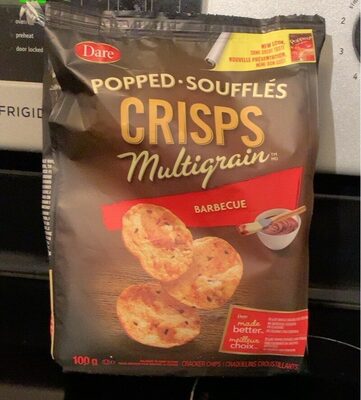
Foods that contain Sorghum
Compare products →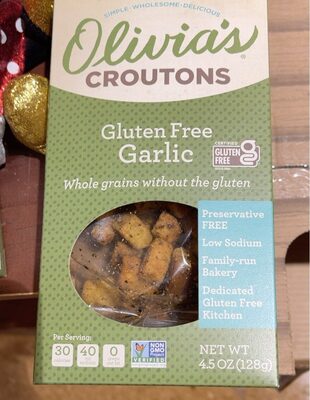
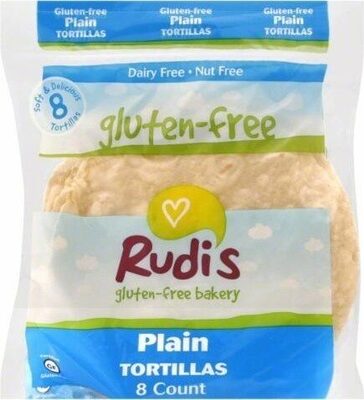
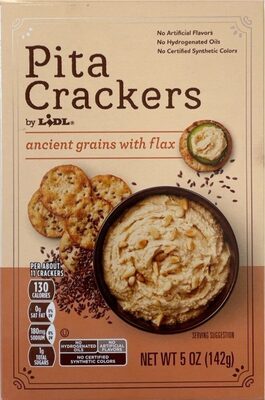

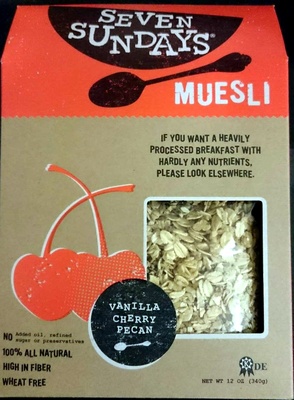
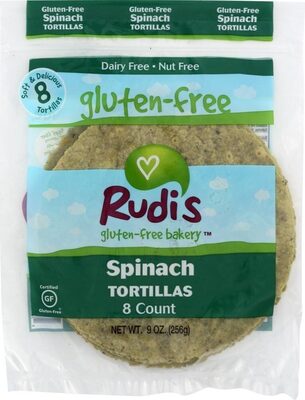
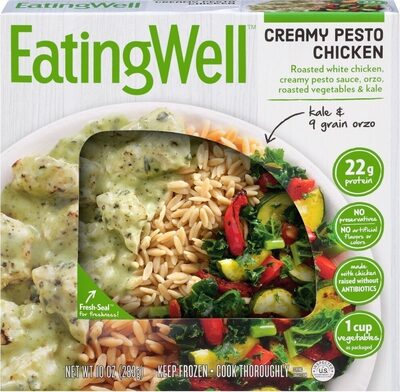
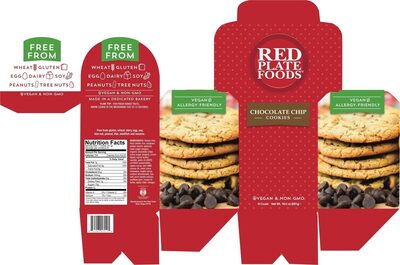

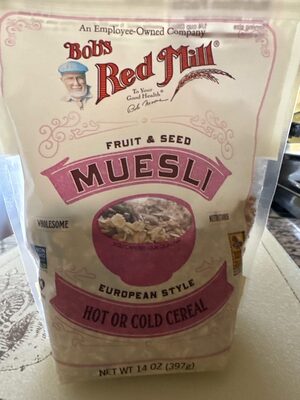
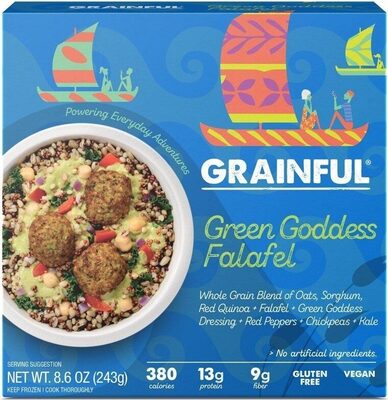
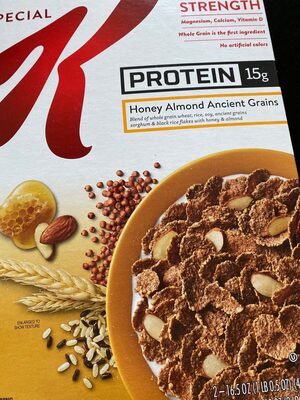
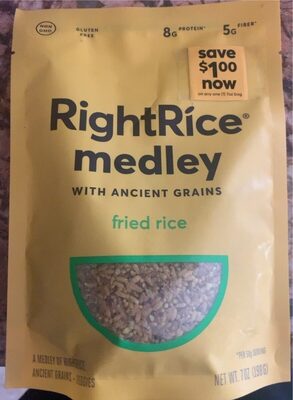


Learn more
Auto-generated content. This description was generated automatically and is pending editorial review. Inaccuracies are possible. Found a mistake? Contact us.