Soy Bean
Auto-generated content. This description was generated automatically and is pending editorial review. Inaccuracies are possible. Found a mistake? Contact us.
What it is
Soybeans are legumes native to East Asia. They are grown for their edible beans, which are a significant source of protein and oil. Soybeans are processed in various ways, including crushing for oil and making soy products like tofu, soy milk, and soy sauce.
Why it's used
Soybeans and their derivatives are used in a wide range of foods. They provide protein, act as emulsifiers, and contribute to texture and flavor. Common uses include soy milk, tofu, tempeh, edamame, soy sauce, and as an ingredient in baked goods, meat substitutes, and sauces.
Health notes
Soybeans are a source of protein, fiber, and various micronutrients. The FDA recognizes soy protein as potentially reducing the risk of heart disease when consumed as part of a diet low in saturated fat and cholesterol. The WHO/IARC has classified isoflavones, compounds found in soy, as possibly carcinogenic to humans (Group 2B). Evidence on the health effects of soy consumption is mixed and an area of ongoing research.
Allergen info
Soy is one of the 9 major allergens recognized by the FDA. It is important for individuals with soy allergies to avoid products containing soybeans or soy derivatives.
Products containing Soy Bean
Compare products →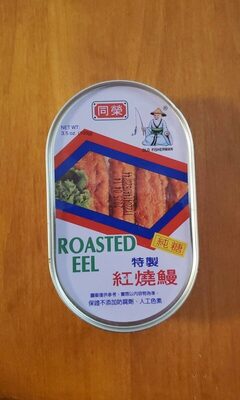 OLD FISHERMAN
Old Fisherman, Roasted Eel
High in cholesterol — 23% DV per serving
238kcal
21.8Protein
12.7Fat
9.1Carbs
TONG YENG INDUSTRIAL CO., LTD.
Tong Yeng, Roast Fish
210kcal
20Protein
10Fat
10Carbs
HIROKON FOODS
Hirokon Foods, Sesame Kelp
150kcal
10Protein
0Fat
0Carbs
DAIEI TRADING CHICAGO CO
Rice Cracker
351kcal
7.0Protein
0Fat
77.2Carbs
NISHIMOTO TRADING CO., LTD.
Soy Bean
150kcal
10.6Protein
4.8Fat
13.8Carbs
LILY
Seasoned Mushroom
83kcal
3.3Protein
0Fat
16.7Carbs
BULL HEAD
Toona Bean Paste
High in sodium — 23% DV per serving
525kcal
10Protein
45Fat
20Carbs
AZUMA NATTO
Frozen Soy Bean
112kcal
2.5Protein
3.8Fat
7.5Carbs
SOUTHERN GROVE
Crunchy BBQ Bar Mix, Crunchy BBQ
536kcal
17.9Protein
32.1Fat
42.9Carbs
OLD FISHERMAN
Old Fisherman, Roasted Eel
High in cholesterol — 23% DV per serving
238kcal
21.8Protein
12.7Fat
9.1Carbs
TONG YENG INDUSTRIAL CO., LTD.
Tong Yeng, Roast Fish
210kcal
20Protein
10Fat
10Carbs
HIROKON FOODS
Hirokon Foods, Sesame Kelp
150kcal
10Protein
0Fat
0Carbs
DAIEI TRADING CHICAGO CO
Rice Cracker
351kcal
7.0Protein
0Fat
77.2Carbs
NISHIMOTO TRADING CO., LTD.
Soy Bean
150kcal
10.6Protein
4.8Fat
13.8Carbs
LILY
Seasoned Mushroom
83kcal
3.3Protein
0Fat
16.7Carbs
BULL HEAD
Toona Bean Paste
High in sodium — 23% DV per serving
525kcal
10Protein
45Fat
20Carbs
AZUMA NATTO
Frozen Soy Bean
112kcal
2.5Protein
3.8Fat
7.5Carbs
SOUTHERN GROVE
Crunchy BBQ Bar Mix, Crunchy BBQ
536kcal
17.9Protein
32.1Fat
42.9Carbs
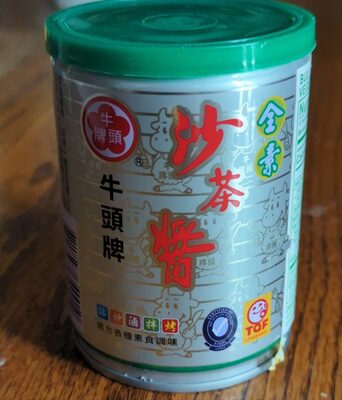 BULL HEAD
Bull Head, Vegetarian Barbecue Sauce
735kcal
5Protein
75Fat
10Carbs
BULL HEAD
Bull Head, Vegetarian Barbecue Sauce
735kcal
5Protein
75Fat
10Carbs