Thickener
Auto-generated content. This description was generated automatically and is pending editorial review. Inaccuracies are possible. Found a mistake? Contact us.
What it is
Thickeners are substances that increase the viscosity of a liquid without substantially changing its other properties. They are often derived from natural sources like plants (starches, gums) or animals (gelatin), or can be synthesized. Their production typically involves extraction, purification, and sometimes modification of the raw material.
Why it's used
Manufacturers add thickeners to improve the texture and consistency of foods, making them feel smoother and more stable. They prevent ingredients from separating and create a desirable mouthfeel. Thickeners are commonly found in sauces, gravies, jams, jellies, dairy products, and baked goods.
Health notes
In the US, many common thickeners are Generally Recognized As Safe (GRAS) by the FDA or approved as food additives. When consumed in typical amounts as part of a balanced diet, they are not associated with adverse health effects. International bodies like JECFA and EFSA have evaluated many thickeners. While generally considered safe, some individuals may experience digestive discomfort from very high intakes of certain types, such as sugar alcohols.
Allergen info
Thickeners are not typically derived from the major allergens. However, some thickeners, like modified food starch, may be derived from wheat, corn, or potato, so individuals with specific sensitivities should check product labels for allergen warnings.
Products containing Thickener
Compare products →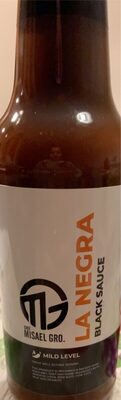 COSECHA P'URHEPECHA
Clasica's Habanero Hot Salsa
0kcal
0Protein
0Fat
0Carbs
COSECHA P'URHEPECHA
Clasica's Habanero Hot Salsa
0kcal
0Protein
0Fat
0Carbs
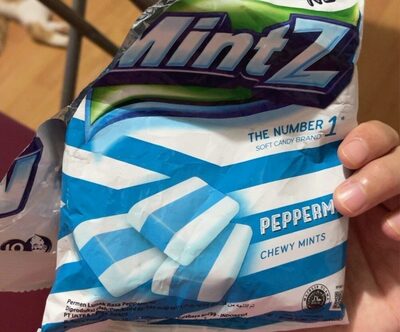 OT
Chewy Mints Candy
400kcal
0Protein
0Fat
80Carbs
CREAPAN
Crepes With Fruit Filling
215kcal
3.1Protein
7.2Fat
31.5Carbs
MONTE CUDINE
Instant Pumpkin Soup
High in sodium — 32% DV per serving
345kcal
6.9Protein
6.9Fat
75.9Carbs
OT
Chewy Mints Candy
400kcal
0Protein
0Fat
80Carbs
CREAPAN
Crepes With Fruit Filling
215kcal
3.1Protein
7.2Fat
31.5Carbs
MONTE CUDINE
Instant Pumpkin Soup
High in sodium — 32% DV per serving
345kcal
6.9Protein
6.9Fat
75.9Carbs
 BRITANNIA
Fruit Cake
High in saturated fat — 20% DV per serving
373kcal
3.6Protein
16.4Fat
50.9Carbs
BRITANNIA
Fruit Cake
High in saturated fat — 20% DV per serving
373kcal
3.6Protein
16.4Fat
50.9Carbs
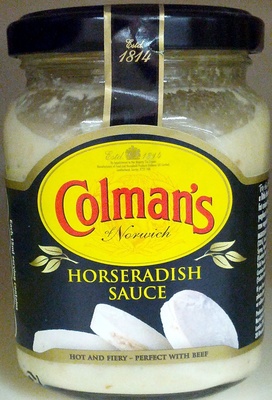 COLMAN'S
Colman's, Horseradish Sauce
108kcal
1.3Protein
6.4Fat
8Carbs
COLMAN'S
Colman's, Horseradish Sauce
108kcal
1.3Protein
6.4Fat
8Carbs