Tigernut Flour
What is Tigernut Flour?
Tigernut flour is made from dried tigernuts, which are small root vegetables, not true nuts, that grow underground. The tigernuts are washed, dried, and then milled into a fine flour. This flour has a slightly sweet, nutty flavor and a smooth texture.
Is Tigernut Flour vegan?
Tigernut Flour is not animal-derived. Products that contain it can still include other animal-derived ingredients, so check the full ingredient list.
Is Tigernut Flour gluten-free?
It is also naturally gluten-free.
Is Tigernut Flour a major allergen?
Tigernut flour is not derived from any of the nine major allergens recognized by the FDA.
What is Tigernut Flour used for?
Tigernut flour is often used as a gluten-free and grain-free alternative to traditional flours in baking.
Is Tigernut Flour safe?
Tigernut flour is generally recognized as safe (GRAS) by the FDA for use in food.
Why it's used
Tigernut flour is often used as a gluten-free and grain-free alternative to traditional flours in baking. Its natural sweetness and smooth texture make it suitable for cakes, cookies, and pancakes. It also functions as a binder and can add a subtle nutty flavor to products.
Health notes
Tigernut flour is generally recognized as safe (GRAS) by the FDA for use in food. It is a source of dietary fiber and resistant starch, which may support gut health. International bodies like EFSA have evaluated related compounds, but specific evaluations for tigernut flour's safety as a food ingredient are not widely published. Evidence on its health benefits is still developing.
Allergen info
Tigernut flour is not derived from any of the nine major allergens recognized by the FDA. It is also naturally gluten-free.
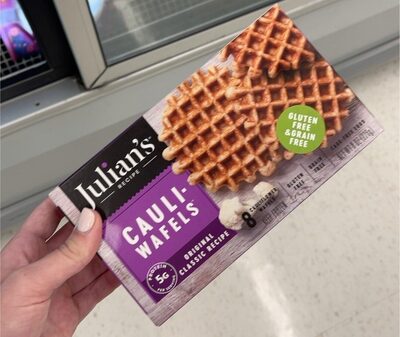
Foods that contain Tigernut Flour
Compare products →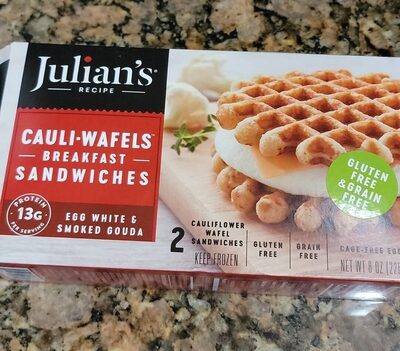




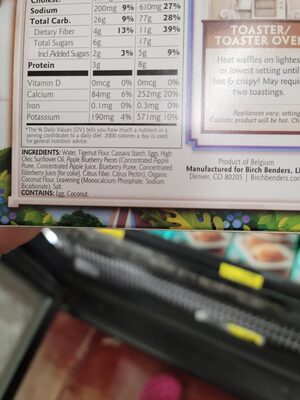








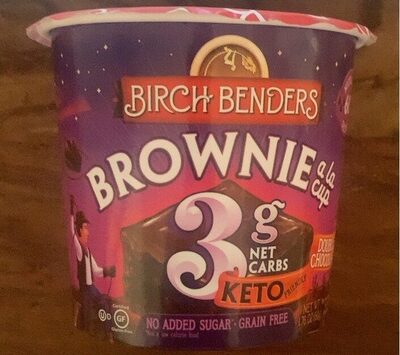

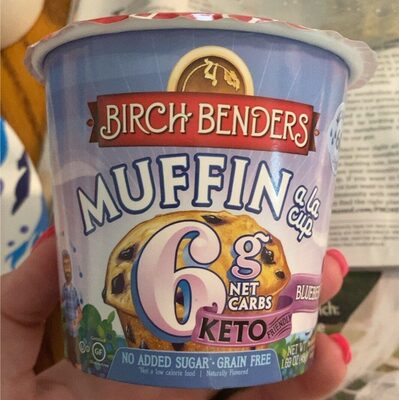


Learn more
Auto-generated content. This description was generated automatically and is pending editorial review. Inaccuracies are possible. Found a mistake? Contact us.