Vermicelli
What is Vermicelli?
Vermicelli are a type of pasta characterized by their long, thin, solid, cylindrical shape. They are typically made from durum wheat semolina, similar to spaghetti but much thinner. Vermicelli can also be made from rice flour, particularly in Asian cuisines, where they are a staple.
Is Vermicelli vegan?
Vermicelli is not animal-derived. Products that contain it can still include other animal-derived ingredients, so check the full ingredient list.
Is Vermicelli gluten-free?
Wheat vermicelli contain gluten and are derived from wheat, which is one of the 9 FDA major allergens.
What is Vermicelli used for?
Vermicelli are used in a wide variety of dishes, from soups and stews to stir-fries and pasta salads.
Is Vermicelli safe?
Vermicelli made from wheat are a source of carbohydrates and some B vitamins and iron if enriched.
Why it's used
Vermicelli are used in a wide variety of dishes, from soups and stews to stir-fries and pasta salads. Manufacturers use them as a base carbohydrate, providing texture and substance to prepared meals. They are common in Italian dishes, Asian noodle dishes, and as a component in frozen entrees and appetizers.
Health notes
Vermicelli made from wheat are a source of carbohydrates and some B vitamins and iron if enriched. The FDA considers enriched vermicelli to be a safe food product. Regulatory bodies like JECFA and EFSA have evaluated pasta ingredients, generally recognizing them as safe for consumption within typical dietary patterns. No specific health concerns are associated with moderate consumption of vermicelli as part of a balanced diet.
Allergen info
Wheat vermicelli contain gluten and are derived from wheat, which is one of the 9 FDA major allergens. Rice vermicelli are typically free from gluten and major allergens, but cross-contamination is possible.
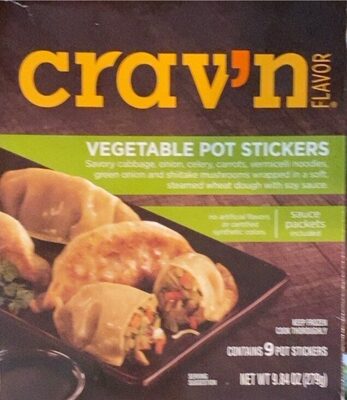
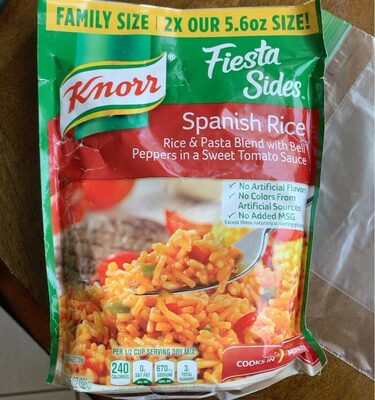
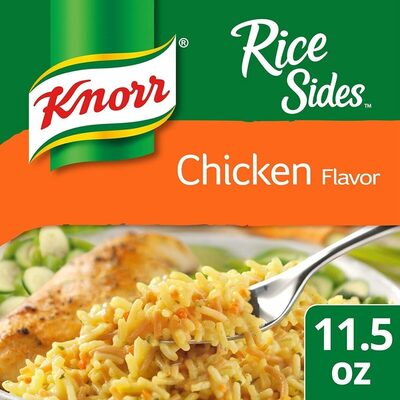
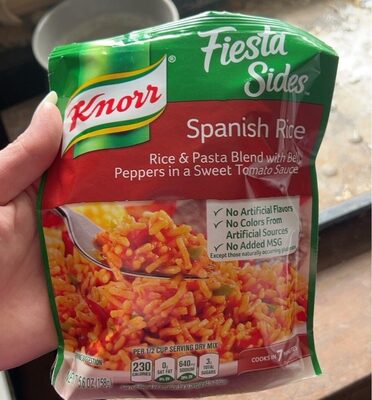
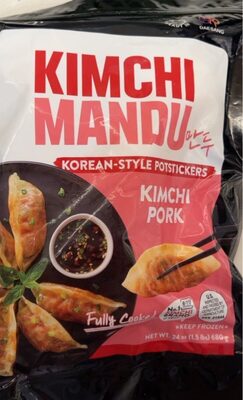
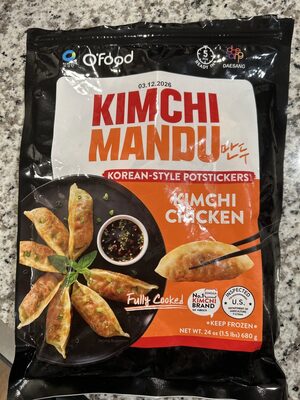
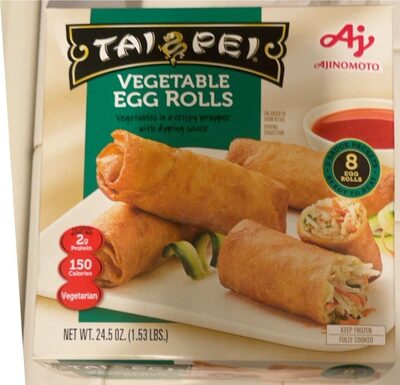
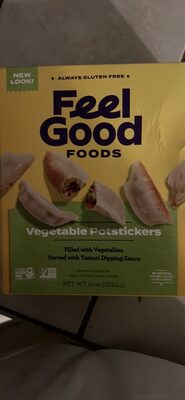
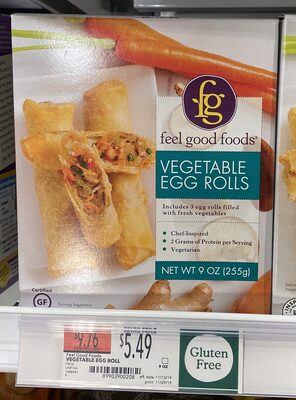
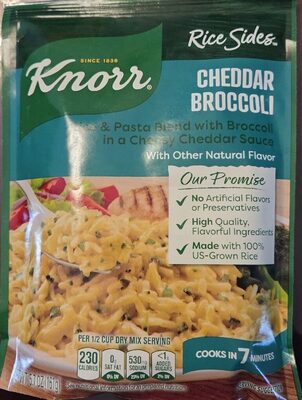
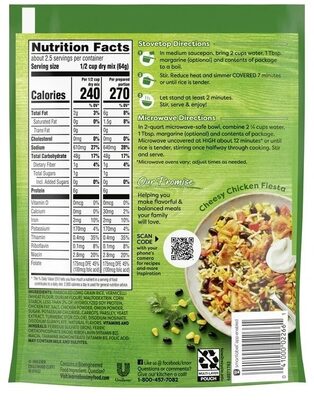
Foods that contain Vermicelli
Compare products →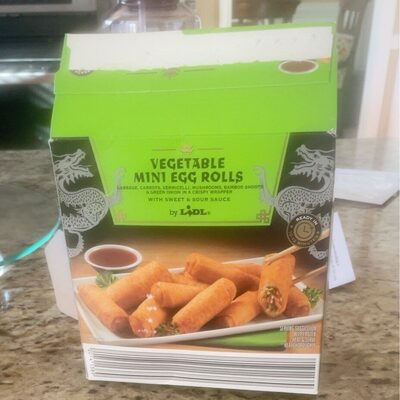
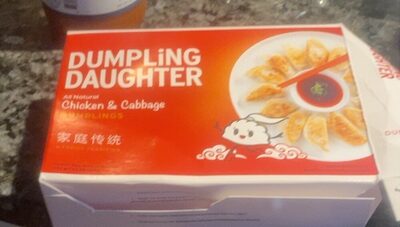 Dumpling Daughter
Chicken & Cabbage Dumplings, Chicken & Cabbage
138kcal
8.5Protein
1.6Fat
21.3Carbs
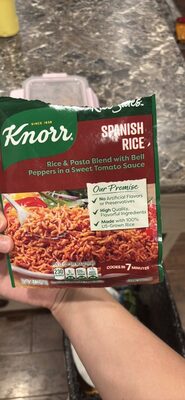
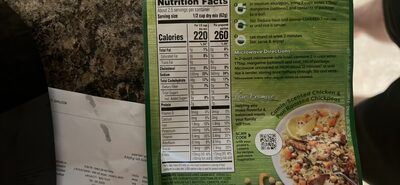
Learn more
Auto-generated content. This description was generated automatically and is pending editorial review. Inaccuracies are possible. Found a mistake? Contact us.