Vitamins And Minerals: Niacin
What is Vitamins And Minerals: Niacin?
Niacin, also known as Vitamin B3, is a water-soluble vitamin essential for human health. It occurs naturally in foods like meat, fish, eggs, and vegetables. Industrially, it can be synthesized from chemical precursors.
Is Vitamins And Minerals: Niacin vegan?
Vitamins And Minerals: Niacin is not animal-derived. Products that contain it can still include other animal-derived ingredients, so check the full ingredient list.
Is Vitamins And Minerals: Niacin gluten-free?
Niacin itself is not a major allergen and is not related to gluten.
What is Vitamins And Minerals: Niacin used for?
Niacin is added to foods as a nutrient to help fortify them and prevent deficiencies.
Is Vitamins And Minerals: Niacin safe?
Niacin is recognized as an essential nutrient by the FDA.
Why it's used
Niacin is added to foods as a nutrient to help fortify them and prevent deficiencies. It is commonly found in enriched grains, cereals, and other processed foods to boost their nutritional value.
Health notes
Niacin is recognized as an essential nutrient by the FDA. The National Academies have established a Tolerable Upper Intake Level (UL) for niacin. Both the Joint FAO/WHO Expert Committee on Food Additives (JECFA) and the European Food Safety Authority (EFSA) have evaluated niacin. High doses of niacin, typically from supplements rather than food, can cause side effects like skin flushing.
Allergen info
Niacin itself is not a major allergen and is not related to gluten.
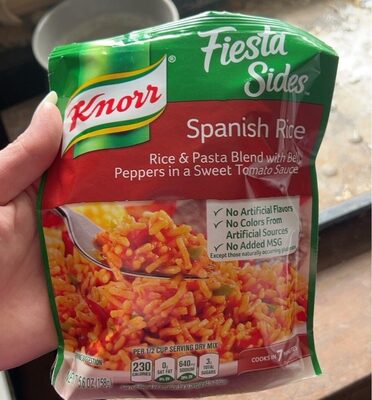
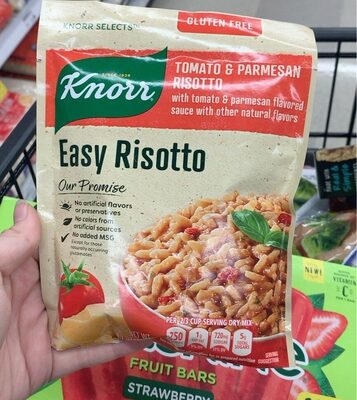
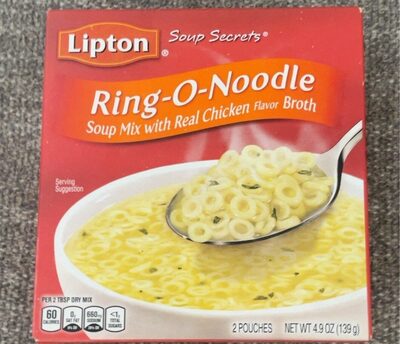
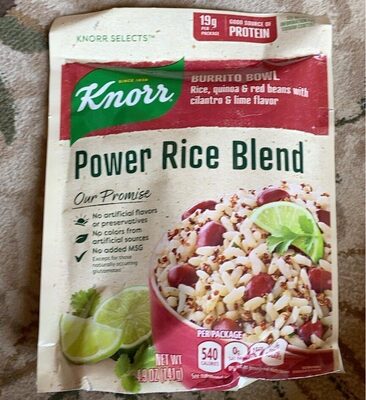
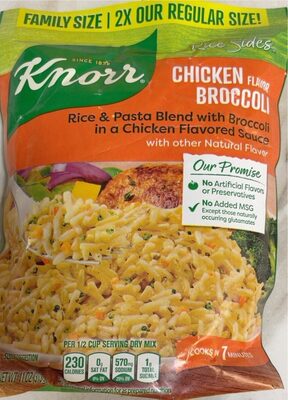
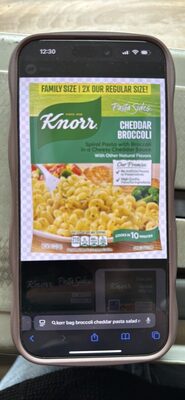
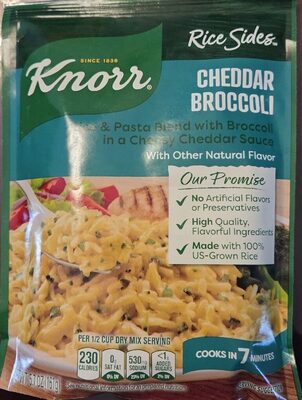
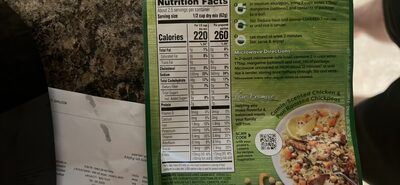
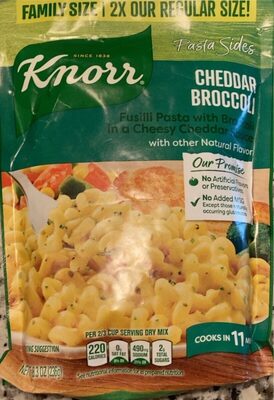
Foods that contain Vitamins And Minerals: Niacin
Compare products →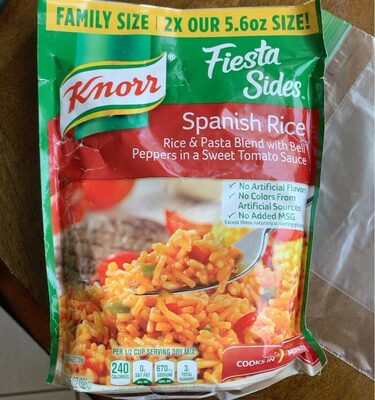
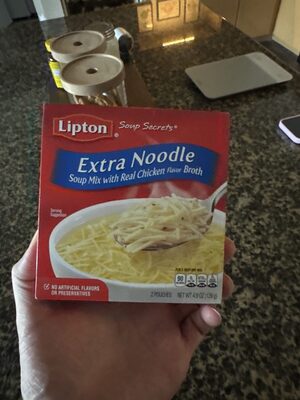
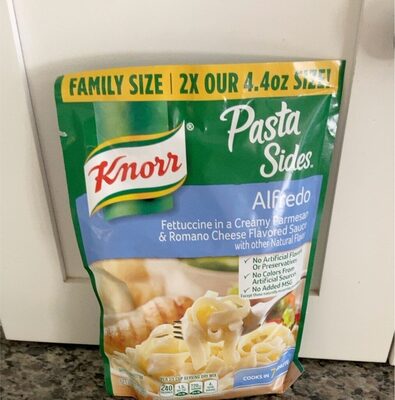
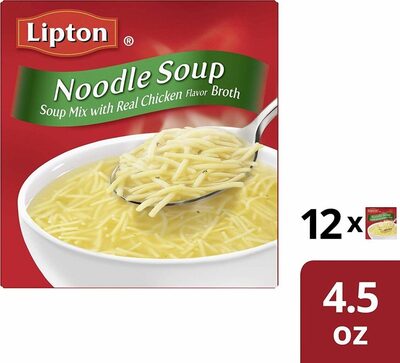
Learn more
Auto-generated content. This description was generated automatically and is pending editorial review. Inaccuracies are possible. Found a mistake? Contact us.