Azodicarbonamide
What is Azodicarbonamide?
Azodicarbonamide (ADA) is a synthetic chemical compound. It is produced through a chemical reaction involving hydrazine and urea. It typically appears as a yellow to orange-red crystalline powder.
Is Azodicarbonamide vegan?
Azodicarbonamide is not animal-derived. Products that contain it can still include other animal-derived ingredients, so check the full ingredient list.
Is Azodicarbonamide a major allergen?
Not a major allergen.
What is Azodicarbonamide used for?
Manufacturers add azodicarbonamide primarily as a dough conditioner in baked goods.
Is Azodicarbonamide safe?
Azodicarbonamide is an FDA-approved food additive for use as a dough conditioner in the United States.
Why it's used
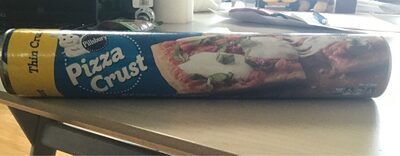
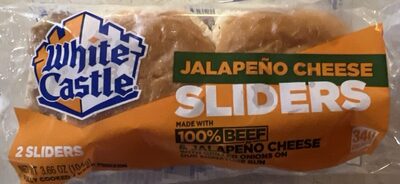
Manufacturers add azodicarbonamide primarily as a dough conditioner in baked goods. It helps strengthen the dough, making it more elastic and improving the texture and volume of the final product. It is commonly found in breads, buns, and other flour-based products.
Health notes
Azodicarbonamide is an FDA-approved food additive for use as a dough conditioner in the United States. The Joint FAO/WHO Expert Committee on Food Additives (JECFA) has evaluated azodicarbonamide and concluded it is not appropriate for use as a flour treatment agent. It is not authorized for use as a food additive in the European Union. Some studies have linked occupational exposure to azodicarbonamide dust to respiratory issues like asthma; however, evidence for adverse health effects from dietary intake at approved levels is mixed or insufficient to draw definitive conclusions for the general population.
Allergen info
Not a major allergen.
Foods that contain Azodicarbonamide
Compare products →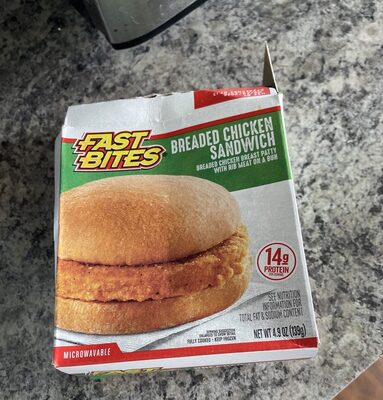

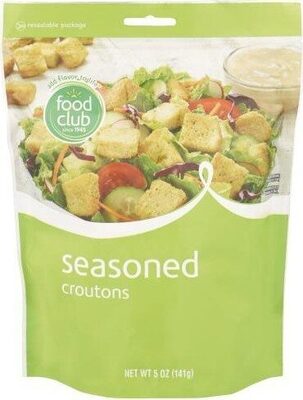




Auto-generated content. This description was generated automatically and is pending editorial review. Inaccuracies are possible. Found a mistake? Contact us.