Barley
What is Barley?
Barley is a versatile cereal grain grown worldwide. It is a member of the grass family and is one of the oldest cultivated grains. Barley can be consumed as whole grain or processed into flakes, flour, or malt.
Is Barley vegan?
Barley is not animal-derived. Products that contain it can still include other animal-derived ingredients, so check the full ingredient list.
Is Barley gluten-free?
Barley contains gluten and is therefore not safe for individuals with celiac disease or gluten sensitivity.
What is Barley used for?
Barley is used as a whole grain in soups, stews, and pilafs, and as a malt in brewing and distilling.
Is Barley safe?
Barley is a good source of dietary fiber, particularly beta-glucan, which may help manage cholesterol levels.
Why it's used
Barley is used as a whole grain in soups, stews, and pilafs, and as a malt in brewing and distilling. Barley flour can be used in baking, and barley flakes are common in breakfast cereals and granola bars. It adds a chewy texture and nutty flavor to foods.
Health notes
Barley is a good source of dietary fiber, particularly beta-glucan, which may help manage cholesterol levels. The FDA recognizes barley as a whole grain that can be part of a healthy diet. JECFA has evaluated barley and its components, and EFSA has also assessed its health benefits, particularly related to beta-glucan. It is generally considered safe and beneficial when consumed as part of a balanced diet.
Allergen info
Barley contains gluten and is therefore not safe for individuals with celiac disease or gluten sensitivity. It is not one of the nine FDA major allergens.
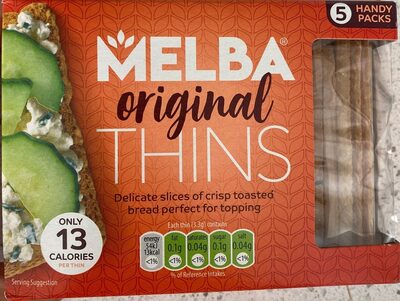
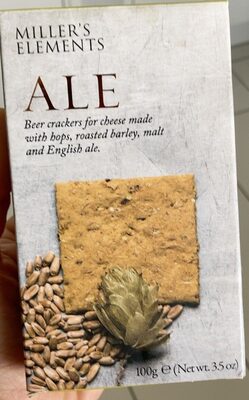
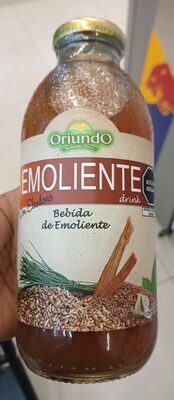
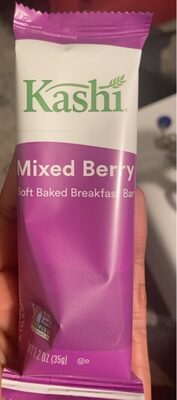
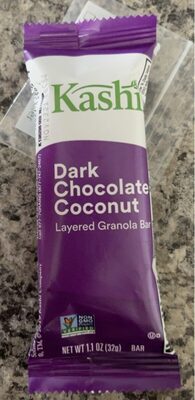
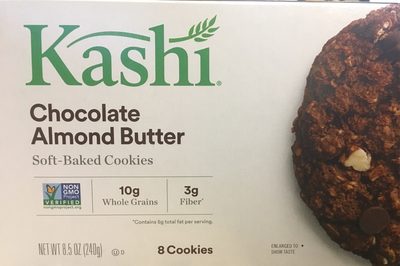
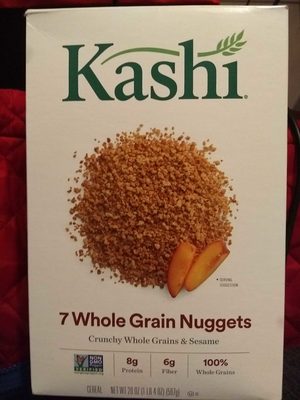
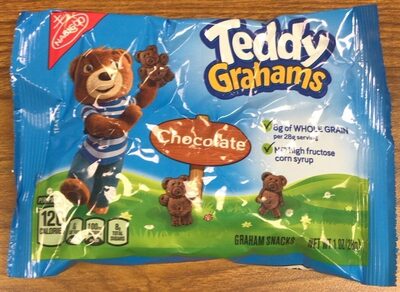
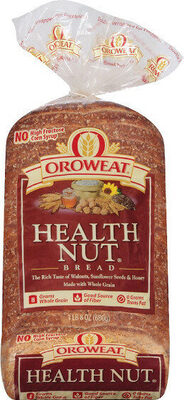
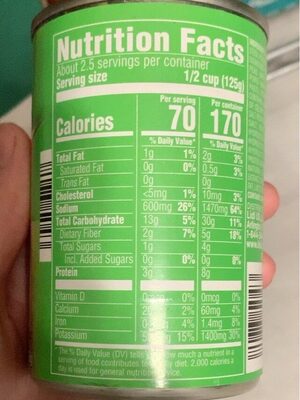
Foods that contain Barley
Compare products →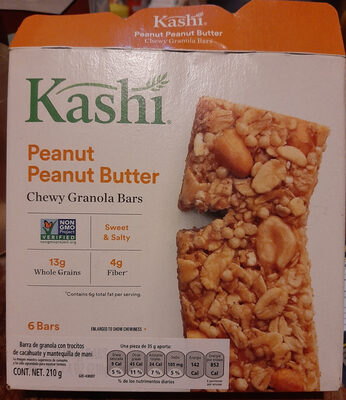
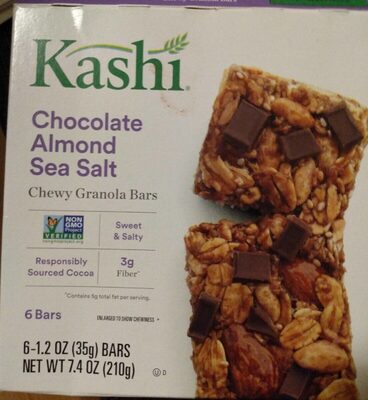
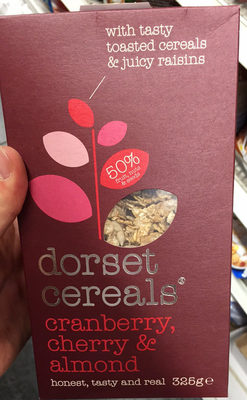



Learn more
Auto-generated content. This description was generated automatically and is pending editorial review. Inaccuracies are possible. Found a mistake? Contact us.