Cooked Garbanzo Beans
What is Cooked Garbanzo Beans?
Garbanzo beans, also known as chickpeas, are a type of legume. They are native to the Middle East and are now grown worldwide. The beans are typically cooked before being used in food products.
Is Cooked Garbanzo Beans vegan?
Cooked Garbanzo Beans is not animal-derived. Products that contain it can still include other animal-derived ingredients, so check the full ingredient list.
Is Cooked Garbanzo Beans gluten-free?
They do not contain gluten.
Is Cooked Garbanzo Beans a major allergen?
Garbanzo beans are not one of the nine major allergens recognized by the FDA.
What is Cooked Garbanzo Beans used for?
Garbanzo beans are often used as a source of protein and fiber in packaged foods.
Is Cooked Garbanzo Beans safe?
Garbanzo beans are a whole food and are generally recognized as safe (GRAS) by the FDA.
Why it's used
Garbanzo beans are often used as a source of protein and fiber in packaged foods. They add a hearty texture and mild flavor. Common uses include dips like hummus, canned soups, and prepared meals.
Health notes
Garbanzo beans are a whole food and are generally recognized as safe (GRAS) by the FDA. They are a good source of fiber and plant-based protein, which can be part of a healthy diet. International bodies like JECFA and EFSA have evaluated many legumes, but specific evaluations for cooked garbanzo beans as a food ingredient are not widely cited.
Allergen info
Garbanzo beans are not one of the nine major allergens recognized by the FDA. They do not contain gluten.
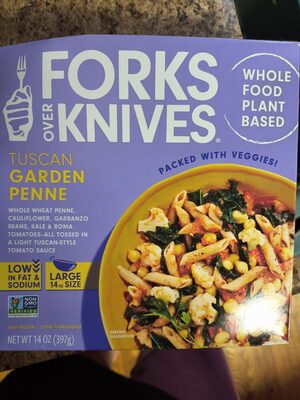
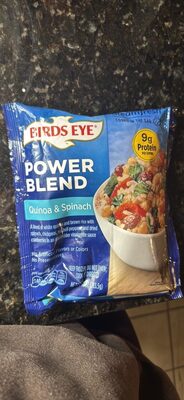
Foods that contain Cooked Garbanzo Beans
Compare products →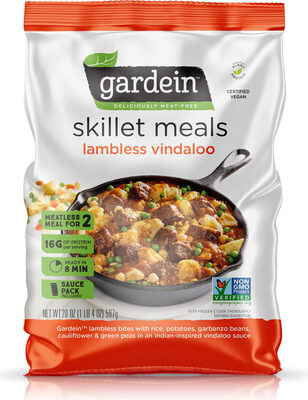
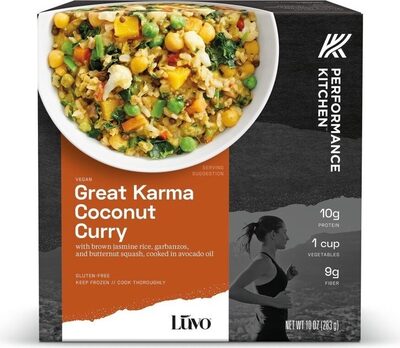
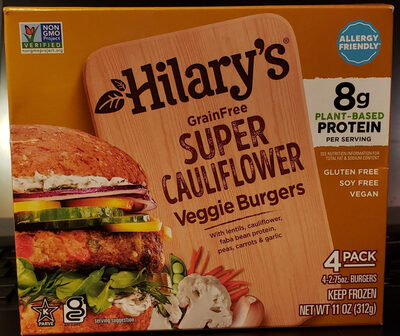
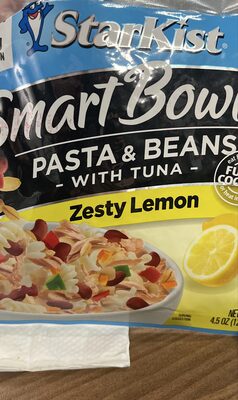
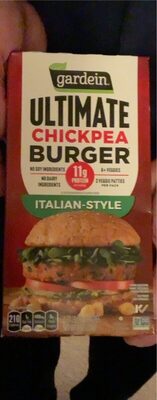
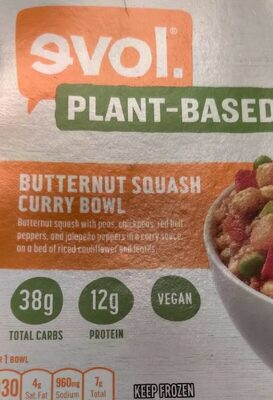
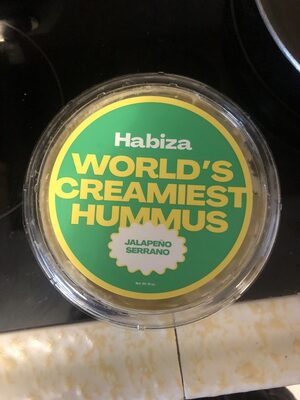

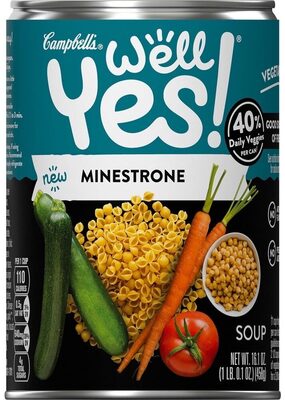
Learn more
Auto-generated content. This description was generated automatically and is pending editorial review. Inaccuracies are possible. Found a mistake? Contact us.