Csl
What is Csl?
CSL stands for Corn Steep Liquor. It is a byproduct of the corn wet-milling process, where corn kernels are steeped in water containing sulfur dioxide. This process softens the kernels and separates them into starch, fiber, germ, and protein.
Is Csl vegan?
Csl is not animal-derived. Products that contain it can still include other animal-derived ingredients, so check the full ingredient list.
Is Csl gluten-free?
It does not contain gluten.
Is Csl a major allergen?
CSL is derived from corn, which is not one of the nine FDA major allergens.
What is Csl used for?
CSL is used as a nutrient source in fermentation processes, particularly for producing antibiotics, enzymes, and amino acids.
Is Csl safe?
CSL is generally recognized as safe (GRAS) by the FDA for use in food.
Why it's used
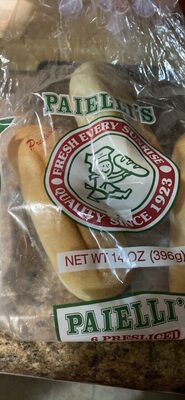
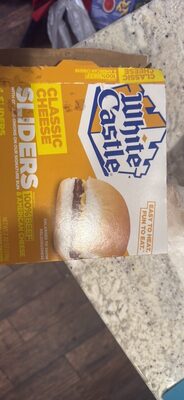
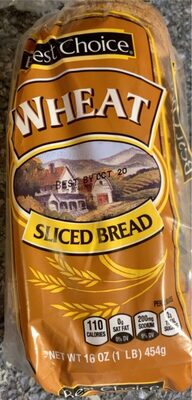
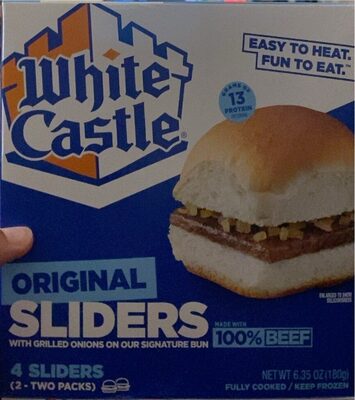
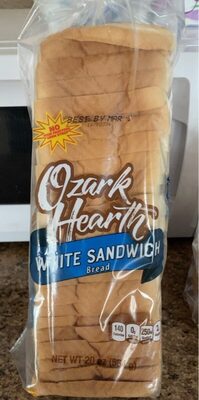
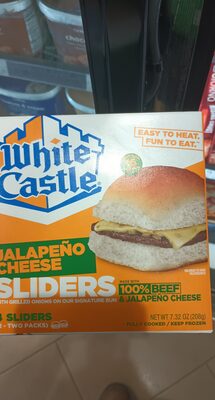
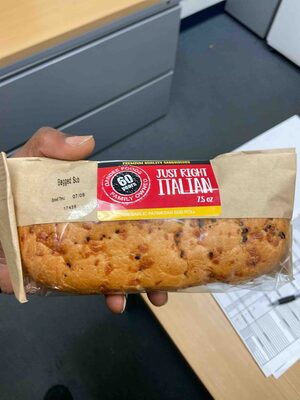
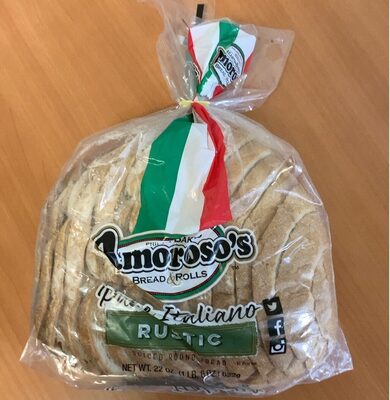
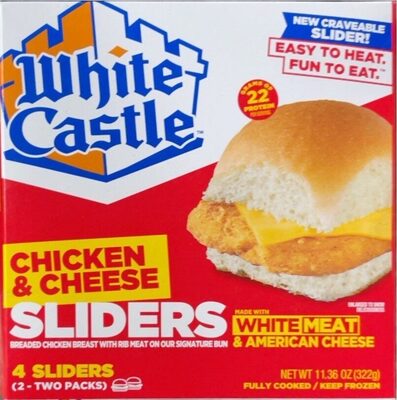
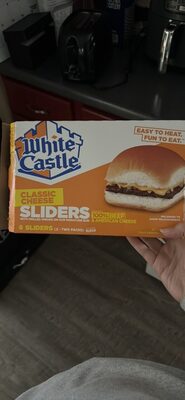
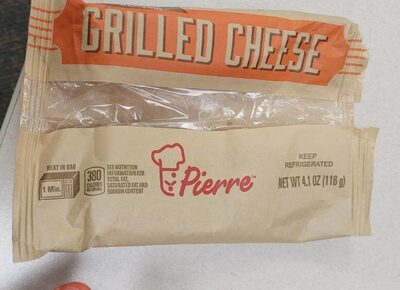
CSL is used as a nutrient source in fermentation processes, particularly for producing antibiotics, enzymes, and amino acids. It can also contribute flavor and act as a dough conditioner in baked goods. It is found in breads, rolls, and some frozen appetizers.
Health notes
CSL is generally recognized as safe (GRAS) by the FDA for use in food. It is a natural product of corn processing and is not typically associated with adverse health effects at the levels found in food. International bodies like JECFA have evaluated it, and EFSA has also reviewed its safety. No significant controversies exist regarding its use in typical food applications.
Allergen info
CSL is derived from corn, which is not one of the nine FDA major allergens. It does not contain gluten.
Foods that contain Csl
Compare products →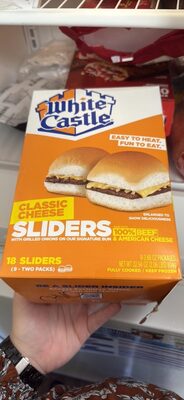
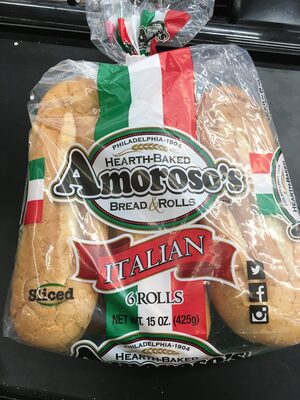
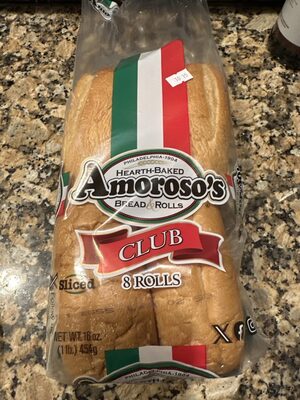
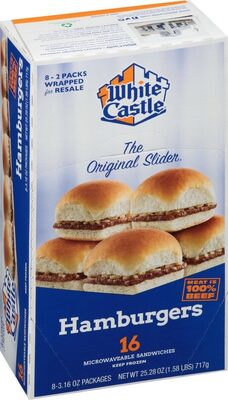


Auto-generated content. This description was generated automatically and is pending editorial review. Inaccuracies are possible. Found a mistake? Contact us.