Cultured Cane Sugar
Auto-generated content. This description was generated automatically and is pending editorial review. Inaccuracies are possible. Found a mistake? Contact us.
What it is
Cultured cane sugar is produced by fermenting regular cane sugar. Microorganisms are used to convert the sugar into a different form, often a preservative or flavor enhancer. This process can create compounds that inhibit the growth of spoilage-causing microbes.
Why it's used
Manufacturers use cultured cane sugar primarily as a preservative to extend the shelf life of foods. It is often found in baked goods like breads and buns, as well as in processed meats and snacks. Its ability to inhibit microbial growth helps maintain product freshness.
Health notes
Cultured cane sugar is generally recognized as safe (GRAS) by the FDA for use in food. Regulatory bodies like JECFA and EFSA have evaluated similar sugar derivatives, though specific evaluations for cultured cane sugar may vary. At typical consumption levels, it is not associated with adverse health effects. Research into its long-term effects is ongoing, but current evidence does not indicate significant health concerns.
Allergen info
Cultured cane sugar is not derived from any of the nine FDA major allergens. It does not contain gluten.
Products containing Cultured Cane Sugar
Compare products →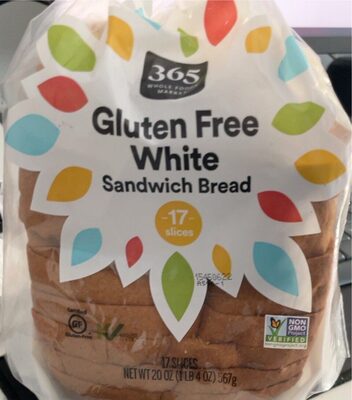 Whole Foods Market, Inc.
White Sandwich Bread, White
273kcal
1.5Protein
6.1Fat
54.5Carbs
Whole Foods Market, Inc.
White Sandwich Bread, White
273kcal
1.5Protein
6.1Fat
54.5Carbs
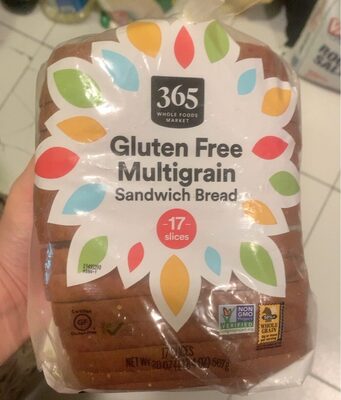 Whole Foods Market, Inc.
Gluten Free Multigrain Sandwich Bread Slices
273kcal
3.0Protein
6.1Fat
51.5Carbs
Oberto Sausage Company
Smokey Sweet BBQ Style Chicken Strips
High in sodium — 24% DV per serving
321kcal
32.1Protein
10.7Fat
21.4Carbs
Costco Companies Inc.
Premium Cut & Dried Pork Strips
250kcal
21.4Protein
5.4Fat
21.4Carbs
Oberto Sausage Company
Smokey Sweet BBQ Style Chicken Strips
High in sodium — 24% DV per serving
321kcal
32.1Protein
10.7Fat
21.4Carbs
Wal-Mart Stores, Inc.
Spicy Buffalo Knots
270kcal
8.1Protein
8.1Fat
46.0Carbs
Oberto Sausage Company
Trail Mix
429kcal
21.4Protein
28.6Fat
28.6Carbs
Oberto Sausage Company
Trail Mix With Original Beef Jerky
464kcal
21.4Protein
32.1Fat
32.1Carbs
Whole Foods Market, Inc.
Gluten Free Multigrain Sandwich Bread Slices
273kcal
3.0Protein
6.1Fat
51.5Carbs
Oberto Sausage Company
Smokey Sweet BBQ Style Chicken Strips
High in sodium — 24% DV per serving
321kcal
32.1Protein
10.7Fat
21.4Carbs
Costco Companies Inc.
Premium Cut & Dried Pork Strips
250kcal
21.4Protein
5.4Fat
21.4Carbs
Oberto Sausage Company
Smokey Sweet BBQ Style Chicken Strips
High in sodium — 24% DV per serving
321kcal
32.1Protein
10.7Fat
21.4Carbs
Wal-Mart Stores, Inc.
Spicy Buffalo Knots
270kcal
8.1Protein
8.1Fat
46.0Carbs
Oberto Sausage Company
Trail Mix
429kcal
21.4Protein
28.6Fat
28.6Carbs
Oberto Sausage Company
Trail Mix With Original Beef Jerky
464kcal
21.4Protein
32.1Fat
32.1Carbs
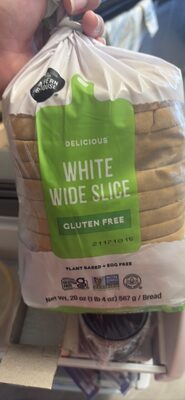 Image Control Inc.
Gluten Free White Wide Slice Bread, White
258kcal
1.5Protein
6.1Fat
53.0Carbs
Image Control Inc.
Gluten Free White Wide Slice Bread, White
258kcal
1.5Protein
6.1Fat
53.0Carbs