Edamame Beans
What is Edamame Beans?
Edamame beans are young, immature soybeans, typically harvested before the soybean matures and hardens. They are often sold in their pods, either fresh or frozen, and are a good source of plant-based protein and fiber.
Is Edamame Beans vegan?
Edamame Beans is not animal-derived. Products that contain it can still include other animal-derived ingredients, so check the full ingredient list.
Is Edamame Beans a major allergen?
Soy is one of the 9 FDA major allergens.
What is Edamame Beans used for?
Edamame is commonly eaten as a snack or appetizer, often steamed and lightly salted.
Is Edamame Beans safe?
Edamame is a whole food and is generally recognized as safe by the FDA.
Why it's used
Edamame is commonly eaten as a snack or appetizer, often steamed and lightly salted. In processed foods, it can be added to frozen meals, salads, and savory dishes to boost protein and fiber content, and add a mild, slightly sweet flavor and firm texture.
Health notes
Edamame is a whole food and is generally recognized as safe by the FDA. It is a nutrient-dense food, providing protein, fiber, vitamins, and minerals. The WHO and other health organizations recognize soybeans and soy products as a healthy part of a balanced diet. Some studies suggest soy isoflavones may have various health effects, but research is ongoing and evidence is mixed.
Allergen info
Soy is one of the 9 FDA major allergens. Edamame is derived from soybeans, so it is considered a major allergen.
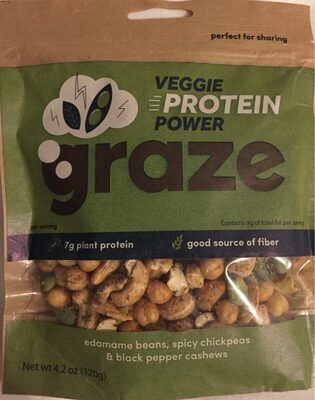
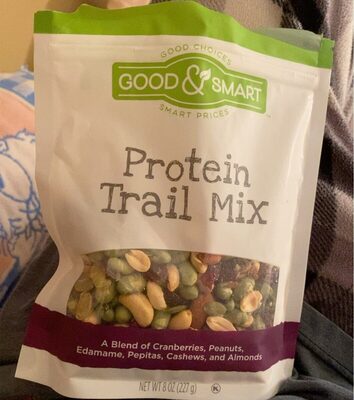
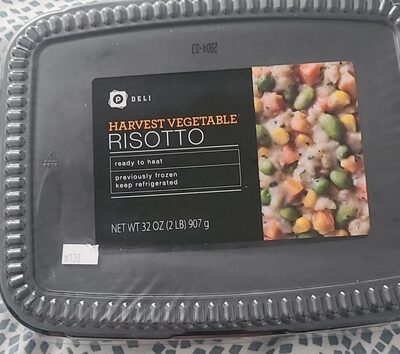
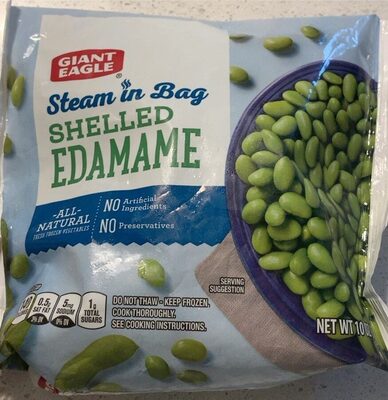
Foods that contain Edamame Beans
Compare products →



Learn more
Auto-generated content. This description was generated automatically and is pending editorial review. Inaccuracies are possible. Found a mistake? Contact us.