Fava Bean
What is Fava Bean?
Fava beans, also known as broad beans, are large, edible legumes that grow in pods. They are native to the Mediterranean region and the Middle East and have been cultivated for thousands of years. Fava beans are a good source of protein and fiber.
Is Fava Bean vegan?
Fava Bean is not animal-derived. Products that contain it can still include other animal-derived ingredients, so check the full ingredient list.
Is Fava Bean gluten-free?
They do not contain gluten.
Is Fava Bean a major allergen?
Fava beans are not one of the nine major allergens recognized by the FDA.
What is Fava Bean used for?
Fava beans are used in a variety of dishes, often as a vegetable side or as a main ingredient in dishes like falafel and hummus.
Is Fava Bean safe?
Fava beans are a nutritious food, providing fiber, protein, and various vitamins and minerals.
Why it's used
Fava beans are used in a variety of dishes, often as a vegetable side or as a main ingredient in dishes like falafel and hummus. They can also be found in soups, stews, and salads. Their mild, slightly sweet flavor makes them versatile in many cuisines.
Health notes
Fava beans are a nutritious food, providing fiber, protein, and various vitamins and minerals. They are not subject to FDA regulation as a food additive. The WHO/IARC has not classified fava beans regarding carcinogenicity. Some individuals with a genetic condition called G6PD deficiency should avoid fava beans, as they can cause a severe reaction known as favism.
Allergen info
Fava beans are not one of the nine major allergens recognized by the FDA. They do not contain gluten.
Foods that contain Fava Bean
Compare products →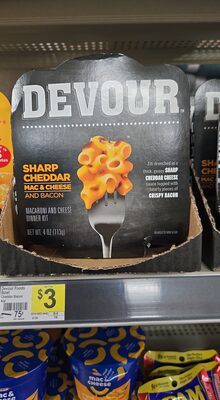
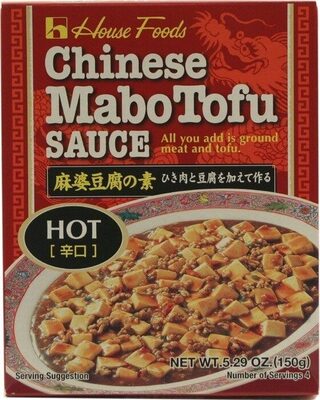
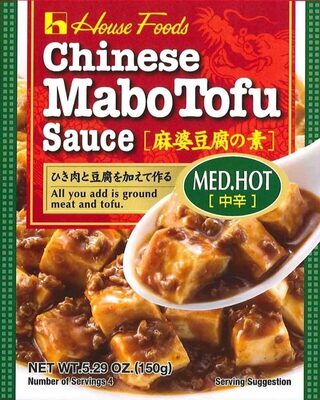
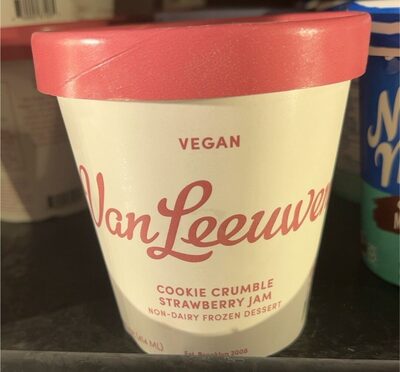
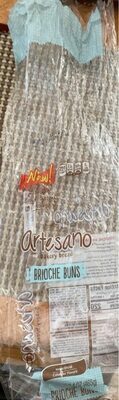
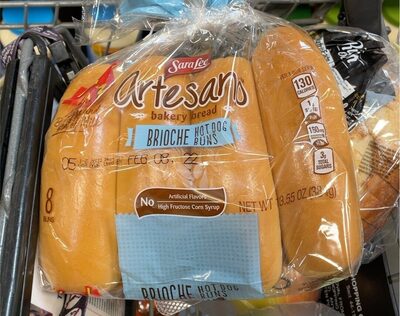 Sara Lee
Brioche Hot Dog Buns Bakery Bread, Brioche Hot Dog Buns
271kcal
8.3Protein
6.2Fat
47.9Carbs

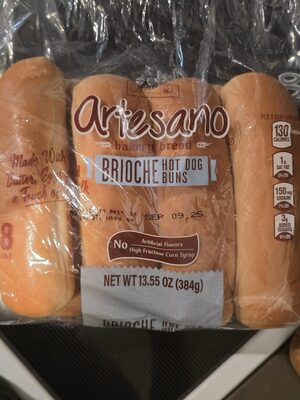 Alfaro'S
Brioche Hot Dog Buns Bakery Bread, Brioche Hot Dog Buns
271kcal
8.3Protein
6.2Fat
47.9Carbs
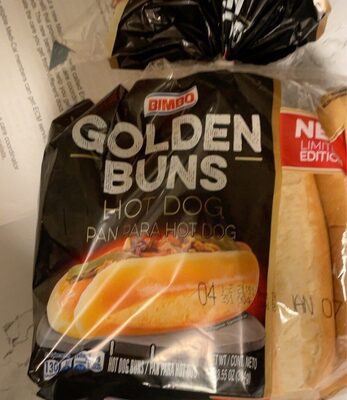
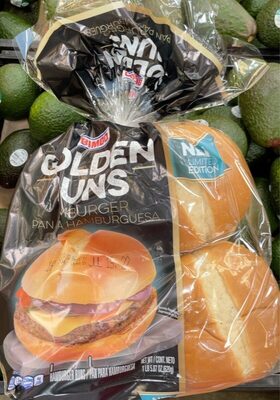
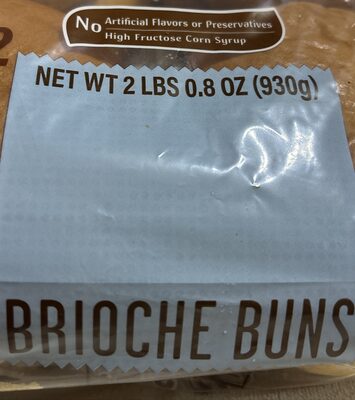


Learn more
Auto-generated content. This description was generated automatically and is pending editorial review. Inaccuracies are possible. Found a mistake? Contact us.