Feta
What is Feta?
Feta is a brined curd cheese traditionally made in Greece. It is typically produced from sheep's milk, or from a mixture of sheep and goat's milk. The cheese is cured in brine, giving it a salty, tangy flavor and a crumbly texture.
Is Feta vegan?
No. Feta is animal-derived, so it is not vegan.
Is Feta gluten-free?
It does not contain gluten.
Is Feta a major allergen?
Feta is derived from milk, which is one of the 9 FDA major allergens.
What is Feta used for?
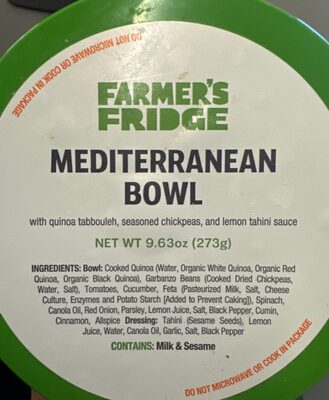
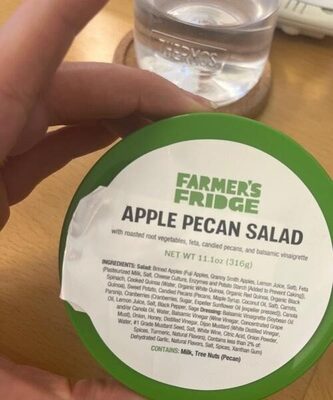
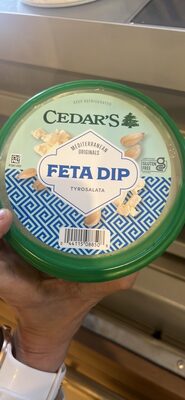
Feta is commonly used as a table cheese, crumbled into salads, or baked into dishes.
Is Feta safe?
Feta is generally recognized as safe (GRAS) by the FDA when used as a food ingredient.
Why it's used
Feta is commonly used as a table cheese, crumbled into salads, or baked into dishes. Its salty and tangy flavor profile makes it a popular addition to Mediterranean-inspired foods, pizzas, and pasta dishes. Manufacturers use it to add a distinct flavor and texture to a variety of savory products.
Health notes
Feta is generally recognized as safe (GRAS) by the FDA when used as a food ingredient. As a dairy product, it is a source of protein and calcium. International bodies like JECFA and EFSA have evaluated cheese and dairy products, but specific evaluations for feta's health impacts at typical consumption levels are not widely publicized. High sodium content in feta can be a concern for individuals monitoring their salt intake.
Allergen info
Feta is derived from milk, which is one of the 9 FDA major allergens. It does not contain gluten.
Foods that contain Feta
Compare products →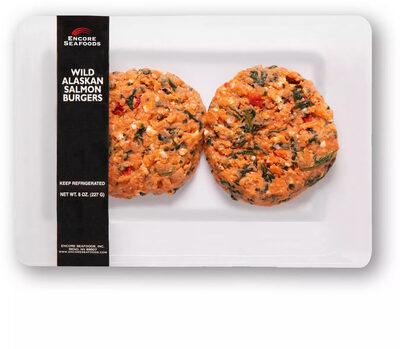 Encore Seafoods
Wild Alaskan Salmon Burgers, Wild Alaskan Salmon
142kcal
16.8Protein
6.2Fat
3.5Carbs
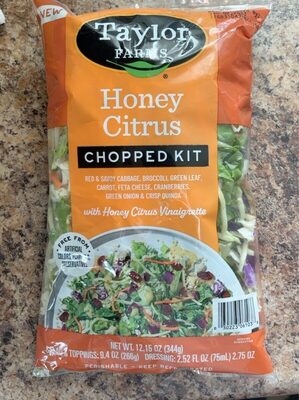
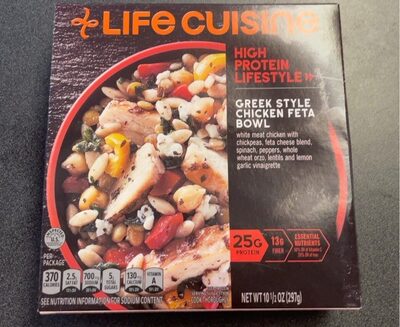
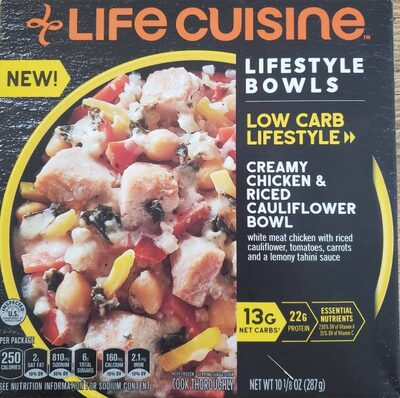
Learn more
Auto-generated content. This description was generated automatically and is pending editorial review. Inaccuracies are possible. Found a mistake? Contact us.