Grains
What is Grains?
Grains are small, dry seeds harvested from plants, primarily cereal crops like wheat, rice, and corn, or pseudocereals such as quinoa and buckwheat. They are a fundamental food source, typically processed by milling into flour, flaking, or cooking whole.
Is Grains vegan?
Grains is not animal-derived. Products that contain it can still include other animal-derived ingredients, so check the full ingredient list.
Is Grains gluten-free?
Grains like wheat, barley, and rye contain gluten, which can cause adverse reactions in individuals with celiac disease or gluten sensitivity.
Is Grains a major allergen?
Wheat is one of the nine major food allergens identified by the FDA.
What is Grains used for?
Grains are widely used as a staple food, providing carbohydrates, fiber, and essential nutrients.
Is Grains safe?
Grains are regulated by the FDA as food ingredients.
Why it's used
Grains are widely used as a staple food, providing carbohydrates, fiber, and essential nutrients. Manufacturers incorporate them into products like bread, pasta, breakfast cereals, and baked goods for bulk, texture, and nutritional value. They form the base of many meals.
Health notes
Grains are regulated by the FDA as food ingredients. Whole grains are a key component of a healthy diet, recommended by the Dietary Guidelines for Americans (2025-2030) for their fiber and nutrient content. While most people can consume grains without issues, some individuals have sensitivities or allergies, such as celiac disease, which is an autoimmune reaction to gluten found in wheat, barley, and rye. JECFA and EFSA do not typically evaluate whole foods like grains as food additives.
Allergen info
Wheat is one of the nine major food allergens identified by the FDA. Grains like wheat, barley, and rye contain gluten, which can cause adverse reactions in individuals with celiac disease or gluten sensitivity.
Foods that contain Grains
Compare products →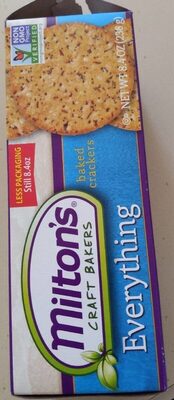
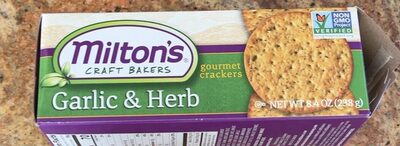
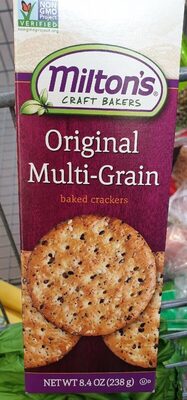
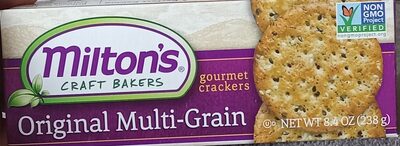
Learn more
Auto-generated content. This description was generated automatically and is pending editorial review. Inaccuracies are possible. Found a mistake? Contact us.