Milk Culture
What is Milk Culture?
Milk culture refers to live microorganisms, such as bacteria or yeasts, that are intentionally added to foods. These cultures are often derived from milk but may also be grown on other media. They are used to ferment ingredients, developing specific flavors and textures.
Is Milk Culture vegan?
No. Milk Culture is animal-derived, so it is not vegan.
Is Milk Culture gluten-free?
It is not related to gluten.
Is Milk Culture a major allergen?
Milk culture itself is derived from milk and is therefore a major allergen.
What is Milk Culture used for?
Milk cultures are primarily used to produce fermented dairy products like yogurt and cheese, contributing to their characteristic tangy taste and creamy consistency.
Is Milk Culture safe?
Milk cultures are generally recognized as safe (GRAS) by the FDA for use in food.
Why it's used
Milk cultures are primarily used to produce fermented dairy products like yogurt and cheese, contributing to their characteristic tangy taste and creamy consistency. They can also be found in some baked goods and other processed foods to enhance flavor and aid in preservation.
Health notes
Milk cultures are generally recognized as safe (GRAS) by the FDA for use in food. The live microorganisms in some cultures are considered probiotics, which may support gut health, though research is ongoing. International bodies like JECFA have evaluated similar cultures and their safety. Evidence on specific health benefits is still developing.
Allergen info
Milk culture itself is derived from milk and is therefore a major allergen. It is not related to gluten.
Foods that contain Milk Culture
Compare products →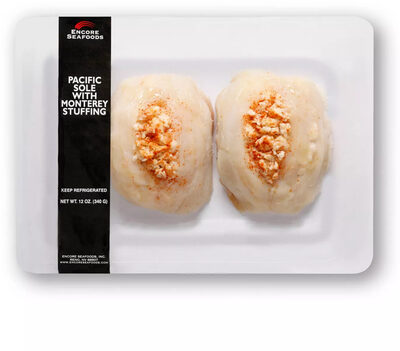

Learn more
Auto-generated content. This description was generated automatically and is pending editorial review. Inaccuracies are possible. Found a mistake? Contact us.