Multigrain Blend
What is Multigrain Blend?
A multigrain blend is a mixture of two or more different types of grains. These blends often include grains like oats, wheat, barley, rye, corn, rice, and quinoa, which can be used whole, milled into flour, or flaked.
Is Multigrain Blend vegan?
Multigrain Blend is not animal-derived. Products that contain it can still include other animal-derived ingredients, so check the full ingredient list.
Is Multigrain Blend gluten-free?
Multigrain blends often contain wheat, which is a major allergen and contains gluten.
What is Multigrain Blend used for?
Manufacturers add multigrain blends to foods to improve texture, add flavor, and boost nutritional content, especially fiber.
Is Multigrain Blend safe?
Multigrain blends are generally considered food ingredients rather than food additives and are not subject to specific FDA additive approvals.
Why it's used
Manufacturers add multigrain blends to foods to improve texture, add flavor, and boost nutritional content, especially fiber. They are commonly found in cereals, snack bars, breads, and other baked goods to enhance their appeal and nutritional profile.
Health notes
Multigrain blends are generally considered food ingredients rather than food additives and are not subject to specific FDA additive approvals. They are valued for contributing dietary fiber, vitamins, and minerals. The health effects are primarily linked to the individual grains within the blend, particularly whole grains, which are part of a healthy diet. No specific JECFA or EFSA evaluation exists for "multigrain blend" as a single ingredient.
Allergen info
Multigrain blends often contain wheat, which is a major allergen and contains gluten. Other grains in the blend may also be allergens or contain gluten, depending on the specific mix.
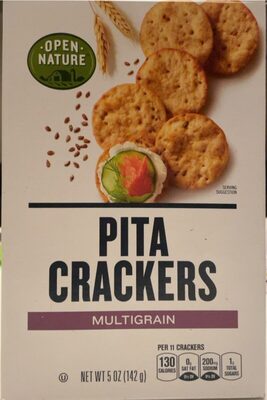
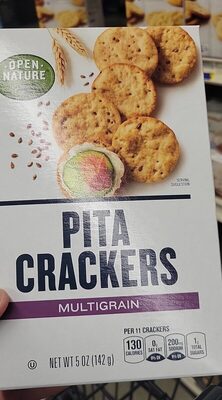
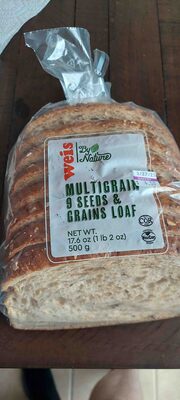
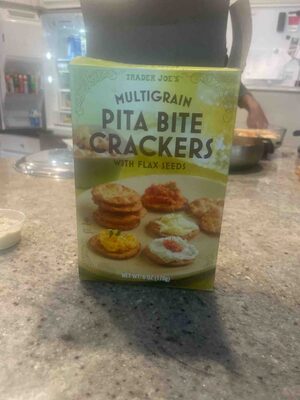
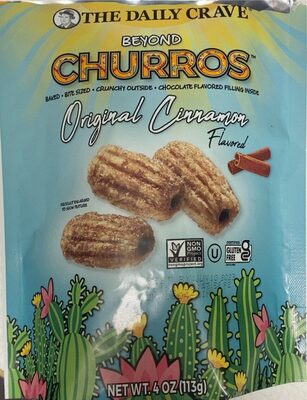
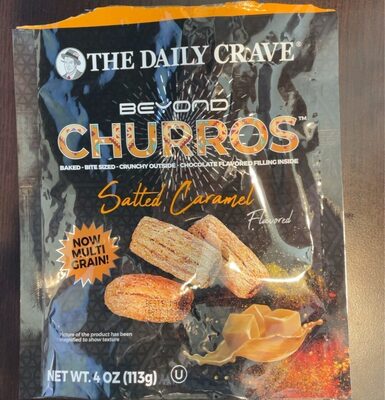
Foods that contain Multigrain Blend
Compare products →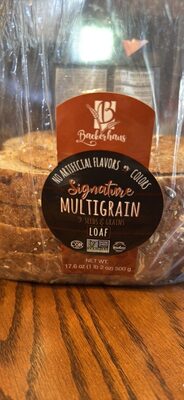
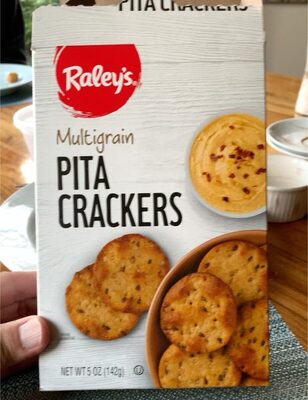
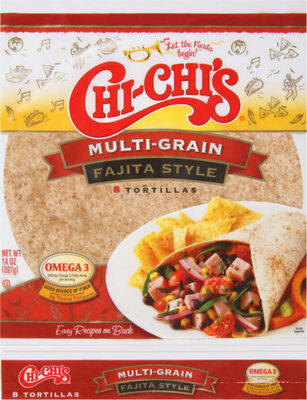
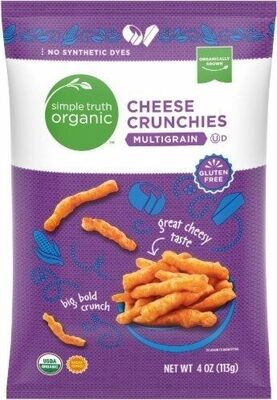
Learn more
Auto-generated content. This description was generated automatically and is pending editorial review. Inaccuracies are possible. Found a mistake? Contact us.