Oil Of Rosemary
What is Oil Of Rosemary?
Oil of rosemary is an extract derived from the leaves of the rosemary plant (Salvia rosmarinus). It is typically produced through steam distillation or solvent extraction to concentrate the plant's aromatic and antioxidant compounds.
Is Oil Of Rosemary vegan?
Oil Of Rosemary is not animal-derived. Products that contain it can still include other animal-derived ingredients, so check the full ingredient list.
Is Oil Of Rosemary gluten-free?
Oil of rosemary is not derived from any of the nine FDA major allergens and does not contain gluten.
What is Oil Of Rosemary used for?
Manufacturers use oil of rosemary primarily as a natural antioxidant to help preserve the freshness and flavor of foods by preventing fat oxidation.
Is Oil Of Rosemary safe?
In the U.S., oil of rosemary is generally recognized as safe (GRAS) by the FDA when used as a flavoring or antioxidant.
Why it's used
Manufacturers use oil of rosemary primarily as a natural antioxidant to help preserve the freshness and flavor of foods by preventing fat oxidation. It is often found in processed meats, baked goods, snacks, and oils.
Health notes
In the U.S., oil of rosemary is generally recognized as safe (GRAS) by the FDA when used as a flavoring or antioxidant. Scientific bodies like the European Food Safety Authority (EFSA) have evaluated rosemary extracts, noting their antioxidant properties. Some studies suggest potential anti-inflammatory and antimicrobial benefits, but more research is needed to confirm these effects at typical dietary intakes.
Allergen info
Oil of rosemary is not derived from any of the nine FDA major allergens and does not contain gluten.
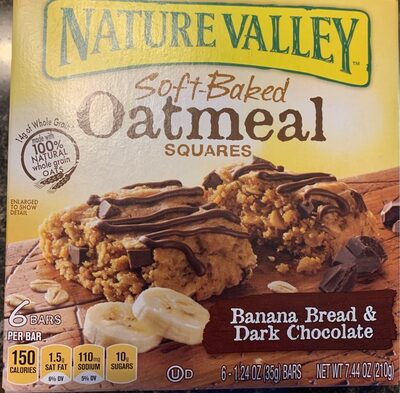
Foods that contain Oil Of Rosemary
Compare products →








Learn more
Auto-generated content. This description was generated automatically and is pending editorial review. Inaccuracies are possible. Found a mistake? Contact us.