Parmesan Cheese: Pasteurized Milk
Auto-generated content. This description was generated automatically and is pending editorial review. Inaccuracies are possible. Found a mistake? Contact us.
What it is
Parmesan cheese is a hard, dry cheese made from cow's milk. It is produced in Italy and aged for at least 12 months, developing a sharp, nutty flavor and granular texture. The milk used is typically unpasteurized, though pasteurization is permitted in some regions.
Why it's used
Manufacturers use Parmesan cheese as a flavoring ingredient, adding a savory, umami taste to foods. It is commonly found in pasta dishes, pizzas, salad dressings, and as a topping for various savory snacks and appetizers.
Health notes
Parmesan cheese is generally recognized as safe (GRAS) by the FDA for its use as a food ingredient. It is a source of protein, calcium, and other nutrients. The WHO/IARC has not classified Parmesan cheese. Evidence does not suggest adverse health effects from typical consumption.
Allergen info
Parmesan cheese is derived from milk, which is one of the nine major allergens recognized by the FDA. It does not contain gluten.
Products containing Parmesan Cheese: Pasteurized Milk
Compare products →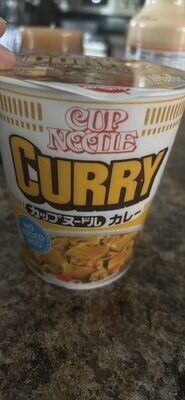 Nissin Foods USA Co Inc
Curry Ramen Noodle Soup, Curry
High in sodium — 63% DV per serving
High in saturated fat — 30% DV per serving
438kcal
11.2Protein
16.2Fat
63.8Carbs
Hansen's Dairy, Inc.
Artisan Style 5 Cheese Pizza
High in sodium — 32% DV per serving
High in saturated fat — 45% DV per serving
243kcal
11.8Protein
11.0Fat
25.7Carbs
Dierberg's Markets, Inc.
Grilled Chicken Parmesan With Creamy Herb Dressing Salads
High in sodium — 43% DV per serving
198kcal
—Protein
16.9Fat
—Carbs
Nissin Foods USA Co Inc
Curry Ramen Noodle Soup, Curry
High in sodium — 63% DV per serving
High in saturated fat — 30% DV per serving
438kcal
11.2Protein
16.2Fat
63.8Carbs
Hansen's Dairy, Inc.
Artisan Style 5 Cheese Pizza
High in sodium — 32% DV per serving
High in saturated fat — 45% DV per serving
243kcal
11.8Protein
11.0Fat
25.7Carbs
Dierberg's Markets, Inc.
Grilled Chicken Parmesan With Creamy Herb Dressing Salads
High in sodium — 43% DV per serving
198kcal
—Protein
16.9Fat
—Carbs