Partially Hydrogenated Cottonseed Oil
What is Partially Hydrogenated Cottonseed Oil?
Partially hydrogenated cottonseed oil is a type of fat made from cottonseed oil. It undergoes a process called partial hydrogenation, which adds hydrogen atoms to the oil molecules, changing its texture from liquid to semi-solid at room temperature.
Is Partially Hydrogenated Cottonseed Oil vegan?
Partially Hydrogenated Cottonseed Oil is not animal-derived. Products that contain it can still include other animal-derived ingredients, so check the full ingredient list.
Is Partially Hydrogenated Cottonseed Oil a major allergen?
Cottonseed is not considered one of the nine major food allergens identified by the FDA.
What is Partially Hydrogenated Cottonseed Oil used for?
Manufacturers historically used it to improve the texture, stability, and shelf life of processed foods.
Is Partially Hydrogenated Cottonseed Oil safe?
In the United States, partially hydrogenated oils (PHOs) are no longer generally recognized as safe (GRAS) for use in food since 2018.
Why it's used
Manufacturers historically used it to improve the texture, stability, and shelf life of processed foods. It was commonly found in baked goods like biscuits, cookies, cakes, and snack cakes, as well as in cooking mixes and condensed soups.
Health notes
In the United States, partially hydrogenated oils (PHOs) are no longer generally recognized as safe (GRAS) for use in food since 2018. This change was implemented because PHOs are the primary source of artificial trans fat in the diet. The FDA determined that artificial trans fat is not safe for use in food, citing concerns about its impact on heart health.
Allergen info
Cottonseed is not considered one of the nine major food allergens identified by the FDA.
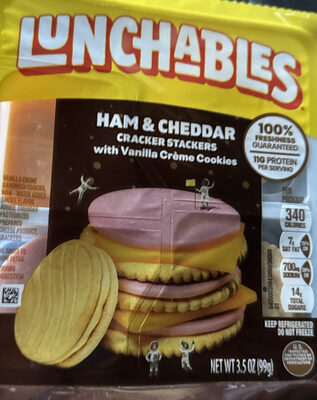
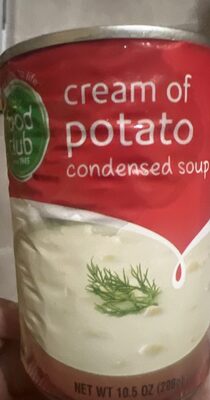
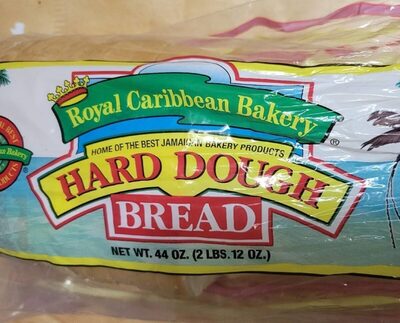
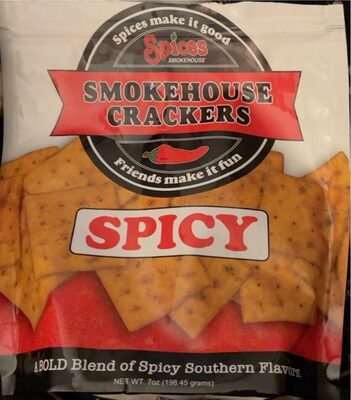
Foods that contain Partially Hydrogenated Cottonseed Oil
Compare products →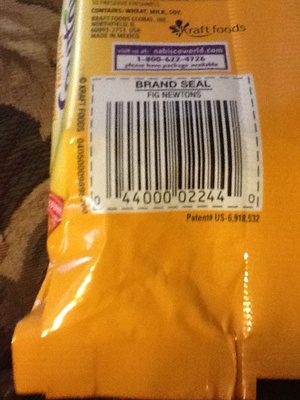
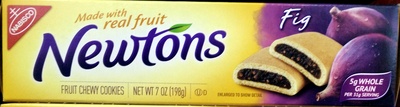
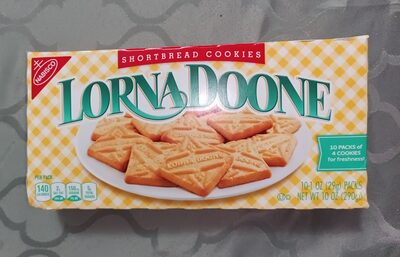
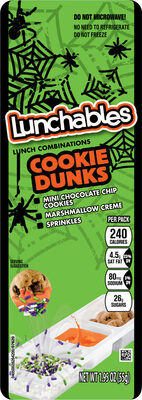



Learn more
Auto-generated content. This description was generated automatically and is pending editorial review. Inaccuracies are possible. Found a mistake? Contact us.