Partially Hydrogenated Soybean Oil
Auto-generated content. This description was generated automatically and is pending editorial review. Inaccuracies are possible. Found a mistake? Contact us.
What it is
Partially hydrogenated soybean oil is a type of fat made from soybean oil. It is produced by adding hydrogen to liquid soybean oil, a process called partial hydrogenation. This process changes the oil's texture, making it more solid at room temperature and increasing its shelf life.
Why it's used
Historically, manufacturers used partially hydrogenated soybean oil to improve the texture, stability, and shelf life of many processed foods. It was commonly found in baked goods, snack foods, and fried items.
Health notes
Partially hydrogenated oils (PHOs) were the primary source of artificial trans fat in the diet. The FDA determined in 2015 that PHOs are no longer Generally Recognized As Safe (GRAS) for use in food, with a compliance date of 2018. This action effectively removed most artificial trans fat from the US food supply. Scientific evidence has linked artificial trans fat consumption to an increased risk of heart disease.
Allergen info
This ingredient is derived from soybeans, which are one of the nine major food allergens identified by the FDA.
Products containing Partially Hydrogenated Soybean Oil
Compare products →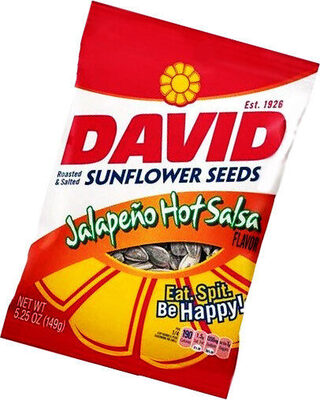 Conagra Brands
DAVID Dill Pickle Sunflower Seeds
633kcal
26.7Protein
53.3Fat
16.7Carbs
Conagra Brands
DAVID Dill Pickle Sunflower Seeds
633kcal
26.7Protein
53.3Fat
16.7Carbs
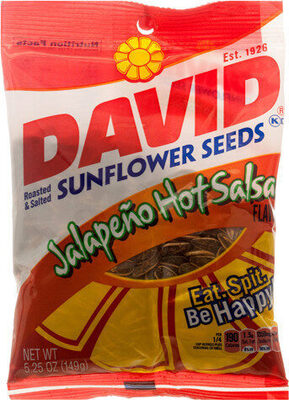 Conagra Brands
DAVID Salsa Sunflower Seeds
633kcal
26.7Protein
53.3Fat
16.7Carbs
Conagra Brands
DAVID SEED Jumbo Ranch
627kcal
27.4Protein
51.0Fat
15.7Carbs
Conagra Brands
DAVID Ranch Pumpkin Seeds
High in sodium — 56% DV per serving
High in saturated fat — 22% DV per serving
622kcal
35.6Protein
48.9Fat
11.1Carbs
Kellogg Company US
Kellogg Cinnabon Cereal 3.1Oz
—kcal
5.7Protein
7.3Fat
83.3Carbs
Borinquen Biscuit Corporation
Estrellitas
423kcal
7.0Protein
5.3Fat
81.0Carbs
Borinquen Biscuit Corporation
Galletitas
423kcal
7.0Protein
8.8Fat
77.5Carbs
Borinquen Biscuit Corporation
Vainilla Crackers
423kcal
7.0Protein
8.8Fat
77.5Carbs
HORMEL
Hormel, Always Tender, Extra Lean Pork Tenderloin, Teriyaki
116kcal
17.0Protein
3.6Fat
4.5Carbs
HORMEL
Hormel, Pork Center Cut Loin Filet, Mesquite Barbecue
107kcal
17.0Protein
3.6Fat
1.8Carbs
HORMEL
Hormel, Always Tender, Extra Lean Pork Center Cut Loin Filet, Original
116kcal
17.0Protein
4.5Fat
0.9Carbs
Conagra Brands
DAVID Salsa Sunflower Seeds
633kcal
26.7Protein
53.3Fat
16.7Carbs
Conagra Brands
DAVID SEED Jumbo Ranch
627kcal
27.4Protein
51.0Fat
15.7Carbs
Conagra Brands
DAVID Ranch Pumpkin Seeds
High in sodium — 56% DV per serving
High in saturated fat — 22% DV per serving
622kcal
35.6Protein
48.9Fat
11.1Carbs
Kellogg Company US
Kellogg Cinnabon Cereal 3.1Oz
—kcal
5.7Protein
7.3Fat
83.3Carbs
Borinquen Biscuit Corporation
Estrellitas
423kcal
7.0Protein
5.3Fat
81.0Carbs
Borinquen Biscuit Corporation
Galletitas
423kcal
7.0Protein
8.8Fat
77.5Carbs
Borinquen Biscuit Corporation
Vainilla Crackers
423kcal
7.0Protein
8.8Fat
77.5Carbs
HORMEL
Hormel, Always Tender, Extra Lean Pork Tenderloin, Teriyaki
116kcal
17.0Protein
3.6Fat
4.5Carbs
HORMEL
Hormel, Pork Center Cut Loin Filet, Mesquite Barbecue
107kcal
17.0Protein
3.6Fat
1.8Carbs
HORMEL
Hormel, Always Tender, Extra Lean Pork Center Cut Loin Filet, Original
116kcal
17.0Protein
4.5Fat
0.9Carbs
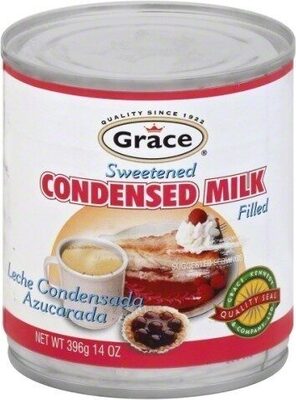 GRACE
Condensed Milk
333kcal
7.7Protein
7.7Fat
56.4Carbs
GRACE
Condensed Milk
333kcal
7.7Protein
7.7Fat
56.4Carbs