Partially Skimmed Milk
What is Partially Skimmed Milk?
Partially skimmed milk is cow's milk that has had some of its butterfat removed. It typically contains between 1% and 2% butterfat. This process is done to reduce the fat content while retaining most of the milk's other nutrients.
Is Partially Skimmed Milk vegan?
No. Partially Skimmed Milk is animal-derived, so it is not vegan.
Is Partially Skimmed Milk gluten-free?
It does not contain gluten.
Is Partially Skimmed Milk a major allergen?
Partially skimmed milk is derived from milk, which is one of the 9 FDA major allergens.
What is Partially Skimmed Milk used for?
Manufacturers use partially skimmed milk as a liquid base in a wide variety of products.
Is Partially Skimmed Milk safe?
Partially skimmed milk is a natural food ingredient and is generally recognized as safe (GRAS) by the FDA.
Why it's used
Manufacturers use partially skimmed milk as a liquid base in a wide variety of products. It contributes moisture, protein, and a mild dairy flavor. It is commonly found in baked goods like cakes and cookies, as well as in puddings and custards.
Health notes
Partially skimmed milk is a natural food ingredient and is generally recognized as safe (GRAS) by the FDA. It is a source of calcium and vitamin D, which are important for bone health. International bodies like JECFA and EFSA have evaluated milk and dairy products. At typical consumption levels, it is considered a nutritious part of a balanced diet.
Allergen info
Partially skimmed milk is derived from milk, which is one of the 9 FDA major allergens. It does not contain gluten.
Foods that contain Partially Skimmed Milk
Compare products →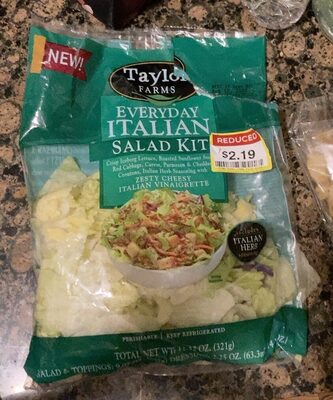
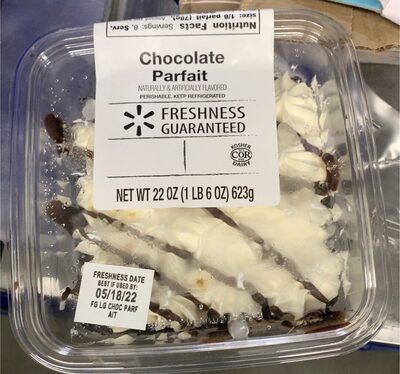
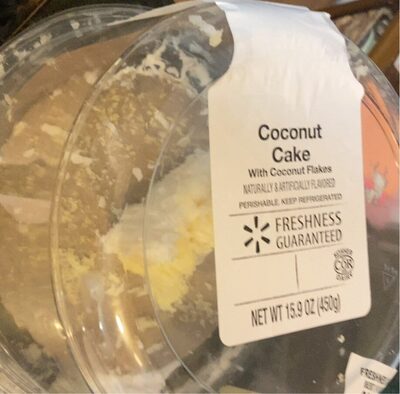
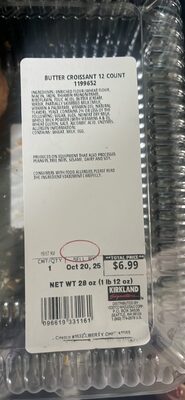
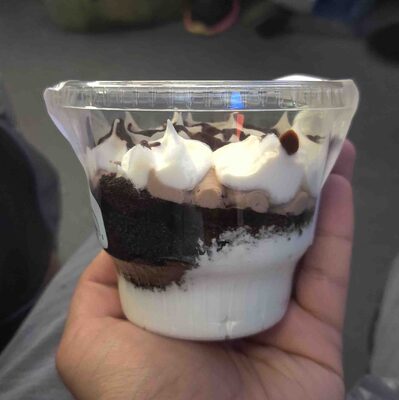
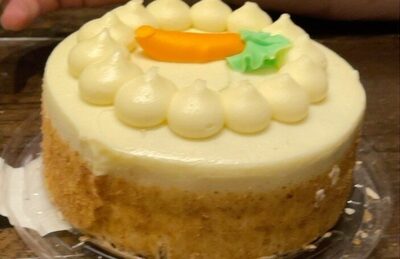
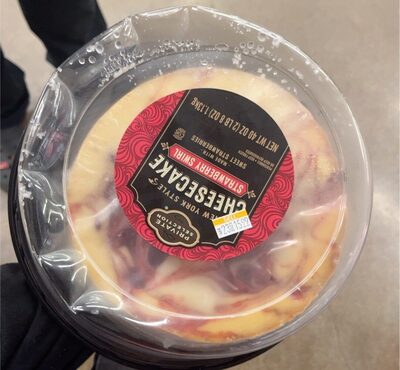
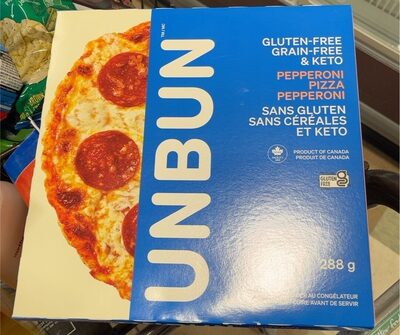
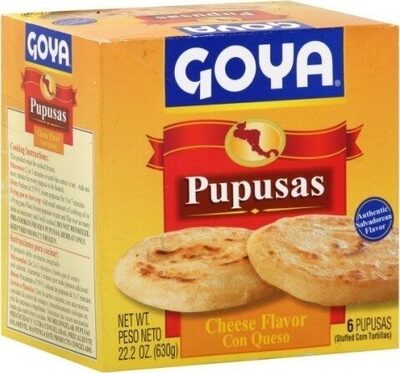
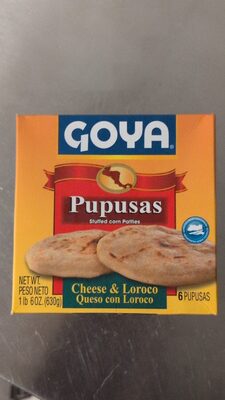
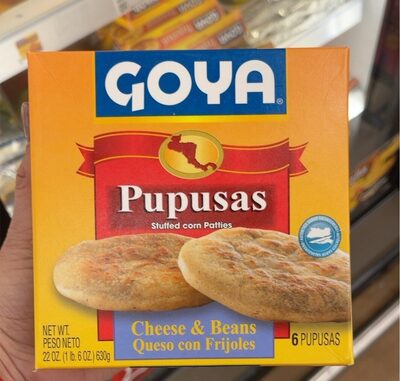 GOYA
Cheese & Beans Stuffed Corn Pupusas Patties, Cheese & Beans
200kcal
7.6Protein
9.5Fat
21.9Carbs
Learn more
Auto-generated content. This description was generated automatically and is pending editorial review. Inaccuracies are possible. Found a mistake? Contact us.