Pasteurized Milk Cheese Culture
Auto-generated content. This description was generated automatically and is pending editorial review. Inaccuracies are possible. Found a mistake? Contact us.
What it is
A cheese culture is a starter culture of beneficial bacteria used in cheesemaking. These bacteria are added to milk to ferment lactose (milk sugar) into lactic acid, which helps develop the characteristic flavor, texture, and aroma of cheese. The milk used is pasteurized to kill harmful microbes before the culture is added.
Why it's used
Manufacturers add cheese cultures to milk to initiate the cheesemaking process. They are essential for producing the desired flavor and texture in a wide variety of cheeses, including cheddar, mozzarella, and Swiss. Cultures are also used in processed cheese products and some dairy-based dips and spreads.
Health notes
Cheese cultures are generally recognized as safe (GRAS) by the FDA for use in food. The bacteria used in cheese cultures are beneficial probiotics that can aid digestion. International bodies like JECFA have evaluated starter cultures, but they generally do not set specific intake limits for these types of ingredients. No significant health concerns are associated with typical consumption levels.
Allergen info
Cheese cultures are derived from milk, which is one of the nine major allergens recognized by the FDA. Therefore, products containing cheese cultures may not be suitable for individuals with milk allergies.
Products containing Pasteurized Milk Cheese Culture
Compare products →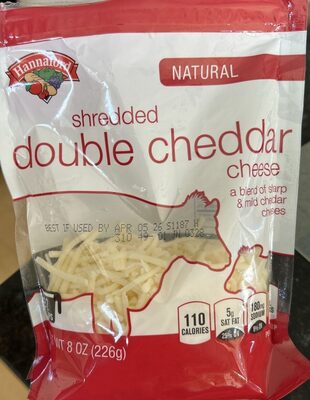 Hannaford Bros. Co.
Natural Shredded Double Cheddar Cheese, Sharp & Milk Cheddar
High in saturated fat — 30% DV per serving
393kcal
25Protein
32.1Fat
3.6Carbs
Winn-Dixie Stores, Inc.
Steamable Broccoli With Cheese Sauce
48kcal
1.9Protein
1.4Fat
6.7Carbs
M & P Plastics, Inc.
White Sharp Cheddar Rosemary Wafers
High in saturated fat — 30% DV per serving
500kcal
14.3Protein
39.3Fat
17.9Carbs
Hannaford Bros. Co.
Natural Shredded Double Cheddar Cheese, Sharp & Milk Cheddar
High in saturated fat — 30% DV per serving
393kcal
25Protein
32.1Fat
3.6Carbs
Winn-Dixie Stores, Inc.
Steamable Broccoli With Cheese Sauce
48kcal
1.9Protein
1.4Fat
6.7Carbs
M & P Plastics, Inc.
White Sharp Cheddar Rosemary Wafers
High in saturated fat — 30% DV per serving
500kcal
14.3Protein
39.3Fat
17.9Carbs