Pistachio Kernels
What is Pistachio Kernels?
Pistachio kernels are the edible seeds of the pistachio tree, native to Central Asia and the Middle East. They are typically harvested, shelled, and then roasted or sold raw. Pistachios are known for their mild, slightly sweet flavor and firm texture.
Is Pistachio Kernels vegan?
Pistachio Kernels is not animal-derived. Products that contain it can still include other animal-derived ingredients, so check the full ingredient list.
Is Pistachio Kernels a major allergen?
Pistachios are classified as tree nuts, which are one of the 9 major food allergens recognized by the FDA.
What is Pistachio Kernels used for?
Pistachio kernels are primarily used as a flavor and texture ingredient in a wide variety of foods.
Is Pistachio Kernels safe?
Pistachio kernels are generally recognized as safe (GRAS) by the FDA for use in food.
Why it's used
Pistachio kernels are primarily used as a flavor and texture ingredient in a wide variety of foods. They are commonly found in baked goods, desserts like ice cream, trail mixes, and as a topping for savory dishes. Their vibrant green and purple colors also add visual appeal to food products.
Health notes
Pistachio kernels are generally recognized as safe (GRAS) by the FDA for use in food. They are a good source of protein, fiber, and healthy fats. Regulatory bodies like EFSA have evaluated pistachios and found them to be safe for consumption. While generally healthy, they are calorie-dense, and portion control is advised as part of a balanced diet.
Allergen info
Pistachios are classified as tree nuts, which are one of the 9 major food allergens recognized by the FDA. People with tree nut allergies should avoid pistachios.
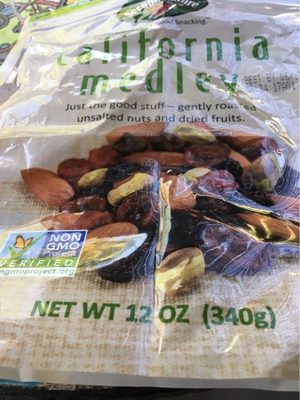
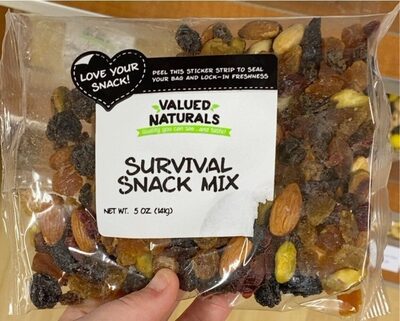
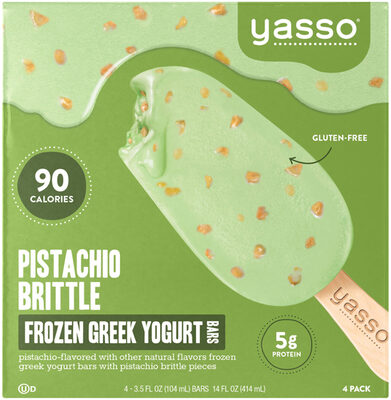
Foods that contain Pistachio Kernels
Compare products →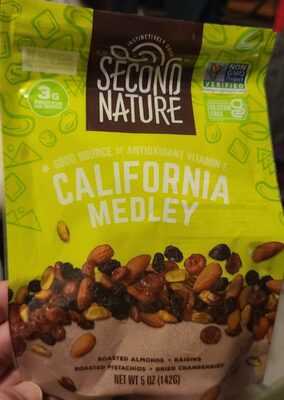
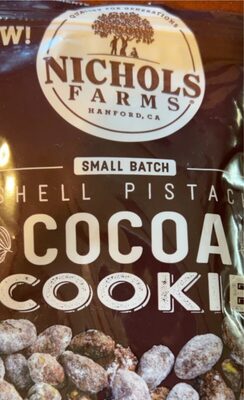
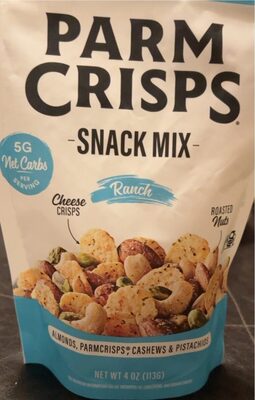
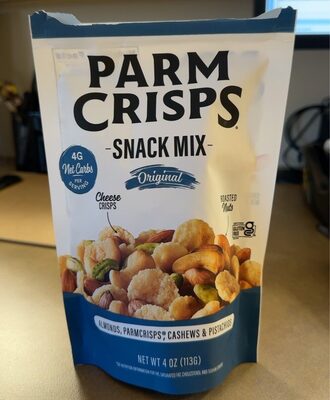
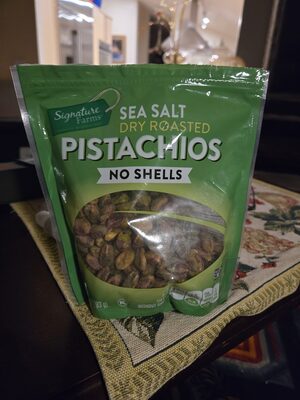
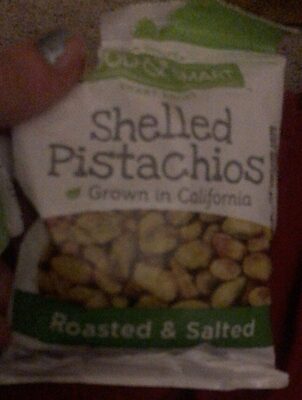 Good & Smart
Roasted & Salted Shelled Pistachios, Roasted & Salted
567kcal
20Protein
46.7Fat
30Carbs
Learn more
Auto-generated content. This description was generated automatically and is pending editorial review. Inaccuracies are possible. Found a mistake? Contact us.