Pork Snouts
What is Pork Snouts?
Pork snouts are parts of the pig's face, including the snout, ears, and jowls. They are typically cooked and ground, often with other pork trimmings, to be used as an ingredient in processed meat products.
Is Pork Snouts vegan?
No. Pork Snouts is animal-derived, so it is not vegan.
Is Pork Snouts gluten-free?
They do not contain gluten.
Is Pork Snouts a major allergen?
Pork snouts are derived from pork, which is not one of the nine major allergens recognized by the FDA.
What is Pork Snouts used for?
Pork snouts add flavor, texture, and fat to processed meats.
Is Pork Snouts safe?
Pork snouts are considered a traditional food ingredient and are not subject to specific FDA regulations as a separate additive.
Why it's used
Pork snouts add flavor, texture, and fat to processed meats. They are commonly found in products like pepperoni, salami, hot dogs, and sausages, contributing to the characteristic taste and mouthfeel of these items.
Health notes
Pork snouts are considered a traditional food ingredient and are not subject to specific FDA regulations as a separate additive. They are a source of protein and fat. The Joint FAO/WHO Expert Committee on Food Additives (JECFA) has evaluated many meat products, but specific evaluations for pork snouts as a distinct ingredient are not widely published. As with any fatty meat product, high consumption may be associated with increased risk of certain health conditions, according to general dietary guidelines.
Allergen info
Pork snouts are derived from pork, which is not one of the nine major allergens recognized by the FDA. They do not contain gluten.
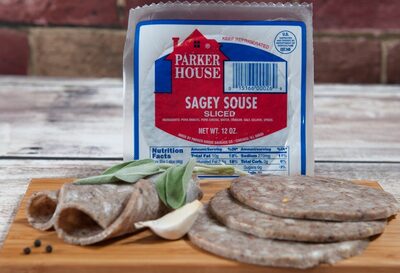
Foods that contain Pork Snouts
Compare products →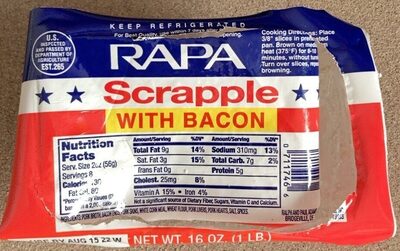
Learn more
Auto-generated content. This description was generated automatically and is pending editorial review. Inaccuracies are possible. Found a mistake? Contact us.