Potassium Magnesium Chloride
What is Potassium Magnesium Chloride?
Potassium magnesium chloride is a salt that combines potassium, magnesium, and chloride. It is produced by chemical synthesis or extracted from natural brines. It is often used as a salt substitute or a source of minerals.
Is Potassium Magnesium Chloride vegan?
Potassium Magnesium Chloride is not animal-derived. Products that contain it can still include other animal-derived ingredients, so check the full ingredient list.
Is Potassium Magnesium Chloride gluten-free?
It does not contain gluten.
Is Potassium Magnesium Chloride a major allergen?
Potassium magnesium chloride is not derived from any of the nine FDA major allergens.
What is Potassium Magnesium Chloride used for?
Manufacturers add potassium magnesium chloride to foods as a salt substitute to reduce sodium content.
Is Potassium Magnesium Chloride safe?
Potassium magnesium chloride is generally recognized as safe (GRAS) by the FDA for use in food.
Why it's used
Manufacturers add potassium magnesium chloride to foods as a salt substitute to reduce sodium content. It can also be used as a mineral supplement to provide potassium and magnesium. It is found in seasonings, sauces, and processed meats.
Health notes
Potassium magnesium chloride is generally recognized as safe (GRAS) by the FDA for use in food. It provides essential minerals, potassium and magnesium, which are important for bodily functions. JECFA has evaluated potassium chloride and magnesium chloride separately, and they have established acceptable daily intakes. Evidence does not suggest adverse health effects at typical dietary intake levels.
Allergen info
Potassium magnesium chloride is not derived from any of the nine FDA major allergens. It does not contain gluten.
Foods that contain Potassium Magnesium Chloride
Compare products →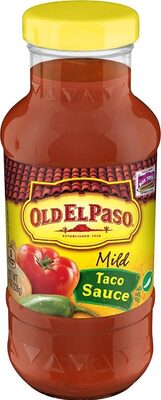
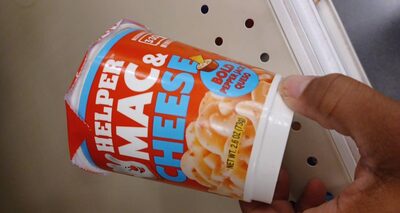
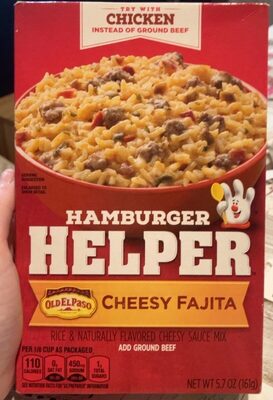
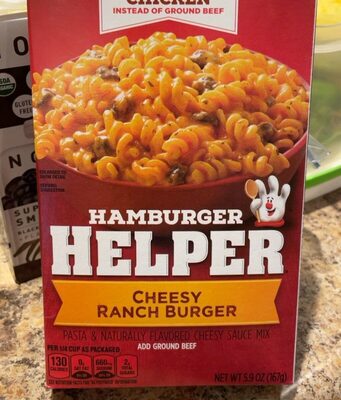
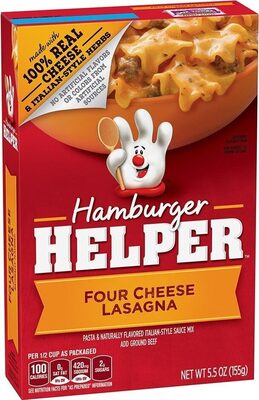
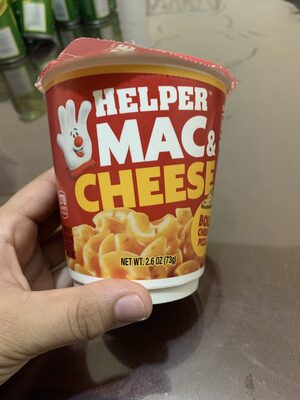
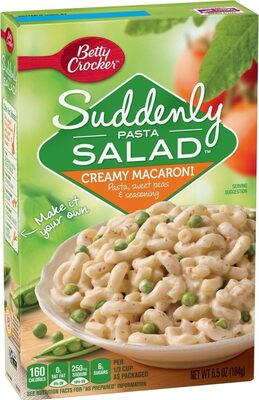
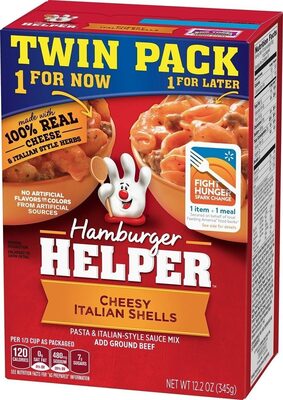
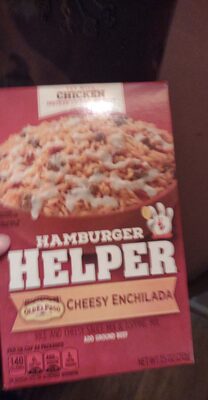
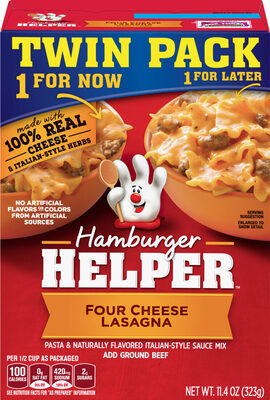 Hamburger Helper
Four Cheese Lasagna Hamburger Helper Twin Pack
355kcal
10.3Protein
2.0Fat
72.4Carbs
Learn more
Auto-generated content. This description was generated automatically and is pending editorial review. Inaccuracies are possible. Found a mistake? Contact us.