Refined Lard
What is Refined Lard?
Refined lard is a type of fat rendered from the fatty tissue of pigs. The rendering process involves heating the fat to separate the pure lard from connective tissues and water. It is then typically filtered and purified to create a stable, neutral-flavored fat.
Is Refined Lard vegan?
No. Refined Lard is animal-derived, so it is not vegan.
Is Refined Lard gluten-free?
It does not contain gluten.
Is Refined Lard a major allergen?
Refined lard is not derived from any of the nine FDA major allergens.
What is Refined Lard used for?
Manufacturers use refined lard primarily as a cooking fat and shortening, adding a desirable texture and mouthfeel to baked goods and fried foods.
Is Refined Lard safe?
Refined lard is generally recognized as safe (GRAS) by the FDA for use in food.
Why it's used
Manufacturers use refined lard primarily as a cooking fat and shortening, adding a desirable texture and mouthfeel to baked goods and fried foods. Its high smoke point makes it suitable for frying, while its plasticity allows it to create flaky pastries. It is commonly found in baked goods, processed meats, and frozen appetizers.
Health notes
Refined lard is generally recognized as safe (GRAS) by the FDA for use in food. It is a source of saturated and monounsaturated fats. The Joint FAO/WHO Expert Committee on Food Additives (JECFA) has evaluated lard and established specifications for its purity. While lard contains cholesterol, its impact on blood cholesterol levels is complex and debated among health professionals.
Allergen info
Refined lard is not derived from any of the nine FDA major allergens. It does not contain gluten.
Foods that contain Refined Lard
Compare products →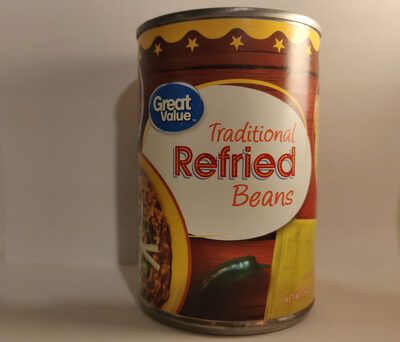
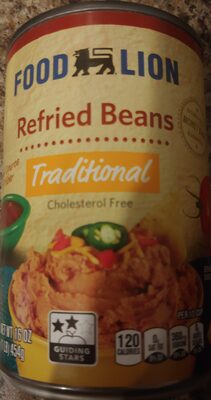
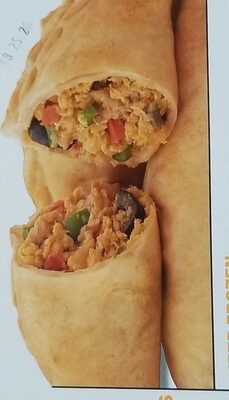

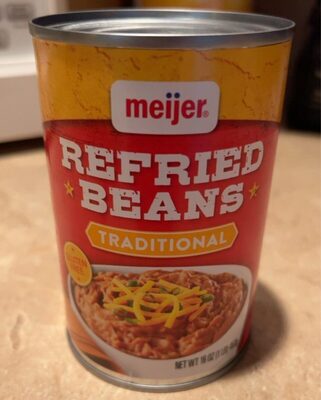
Learn more
Auto-generated content. This description was generated automatically and is pending editorial review. Inaccuracies are possible. Found a mistake? Contact us.