Rennet And Aged Over 10 Months
What is Rennet And Aged Over 10 Months?
Rennet is an enzyme complex, traditionally sourced from the stomach lining of young ruminant animals like calves. It is essential for cheesemaking, helping to coagulate milk proteins and form curds. "Aged over 10 months" refers to the aging period of cheese made with rennet.
Is Rennet And Aged Over 10 Months vegan?
No. Rennet And Aged Over 10 Months is animal-derived, so it is not vegan.
Is Rennet And Aged Over 10 Months a major allergen?
Rennet itself is not a major allergen.
What is Rennet And Aged Over 10 Months used for?
Rennet's primary use is in the production of cheese and other dairy products, where it acts as a coagulant.
Is Rennet And Aged Over 10 Months safe?
Rennet is generally recognized as safe (GRAS) by the FDA for its use in food production.
Why it's used
Rennet's primary use is in the production of cheese and other dairy products, where it acts as a coagulant. The "aged over 10 months" designation indicates a specific aging process for cheese, impacting its flavor and texture.
Health notes
Rennet is generally recognized as safe (GRAS) by the FDA for its use in food production. It is a natural enzyme complex and does not have specific health implications at typical consumption levels. International bodies like JECFA have evaluated enzymes used in food processing.
Allergen info
Rennet itself is not a major allergen. However, since it is derived from animal stomachs, it is not suitable for vegetarians or vegans. Cheese made with rennet may contain milk, which is a major allergen.
Foods that contain Rennet And Aged Over 10 Months
Compare products →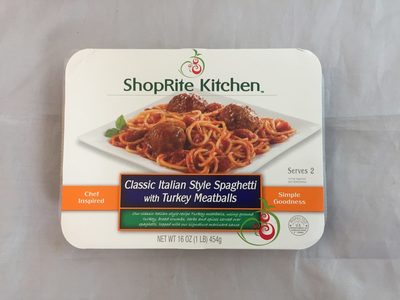
Learn more
Auto-generated content. This description was generated automatically and is pending editorial review. Inaccuracies are possible. Found a mistake? Contact us.