Romano
What is Romano?
Romano cheese is a hard, salty Italian cheese traditionally made from sheep's milk. It is aged for several months, which gives it a sharp, pungent flavor and a granular texture. While Pecorino Romano is the most famous variety made from sheep's milk, other types can also be made from cow's or goat's milk.
Is Romano vegan?
No. Romano is animal-derived, so it is not vegan.
Is Romano a major allergen?
Romano cheese is derived from milk, which is one of the nine major food allergens identified by the FDA.
What is Romano used for?
Manufacturers add Romano cheese primarily for its distinct salty and sharp flavor, as well as its firm texture.
Is Romano safe?
Romano cheese is considered a food ingredient, not a food additive, and is generally recognized as safe (GRAS) for its intended use as a food.
Why it's used
Manufacturers add Romano cheese primarily for its distinct salty and sharp flavor, as well as its firm texture. It is commonly grated over pasta dishes, used in sauces, and included in pizzas and other baked goods to enhance taste and provide a savory element. Its robust flavor means a small amount can significantly impact a dish.
Health notes
Romano cheese is considered a food ingredient, not a food additive, and is generally recognized as safe (GRAS) for its intended use as a food. Like other cheeses, it contains saturated fat and sodium. The FDA's Daily Value for sodium is 2,300 mg. Neither JECFA nor EFSA typically evaluate whole food ingredients like Romano cheese for safety as they do for food additives.
Allergen info
Romano cheese is derived from milk, which is one of the nine major food allergens identified by the FDA. Individuals with a milk allergy should avoid Romano cheese.
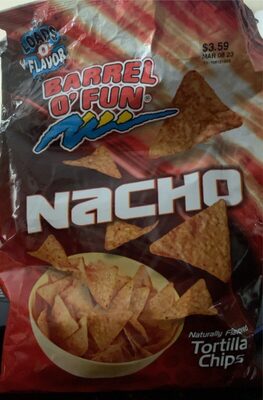
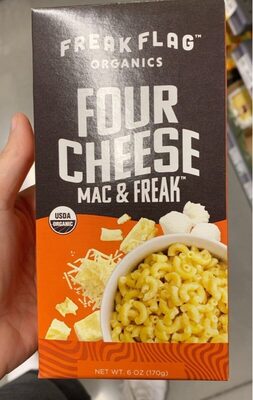
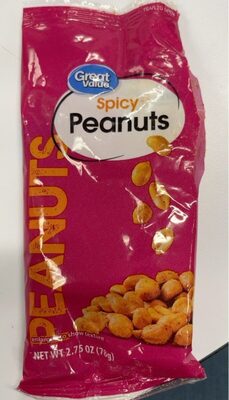
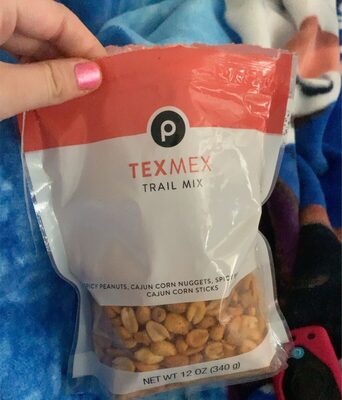
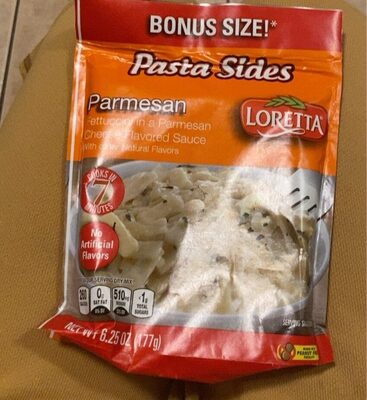
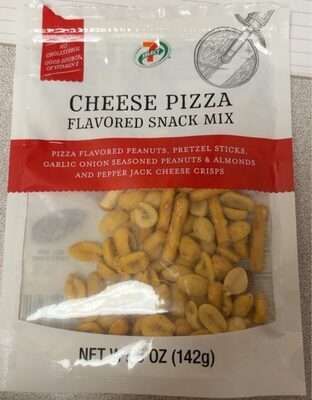
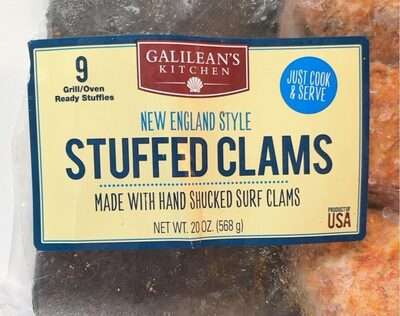
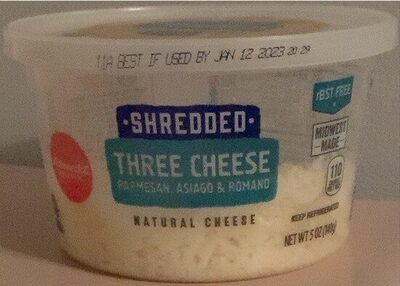
Foods that contain Romano
Compare products →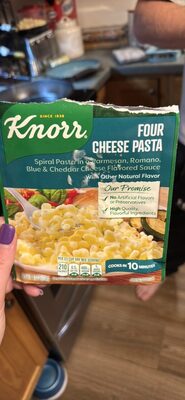
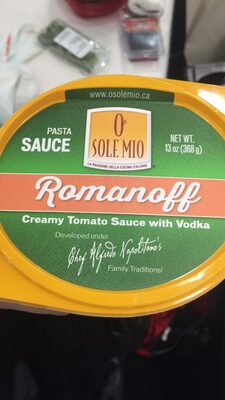
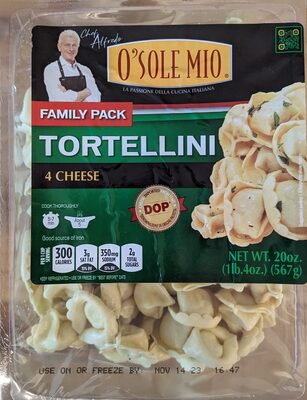
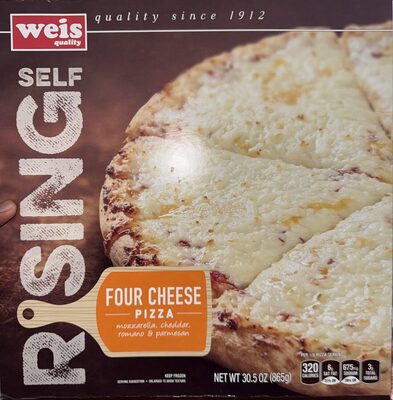
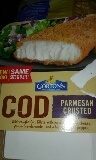
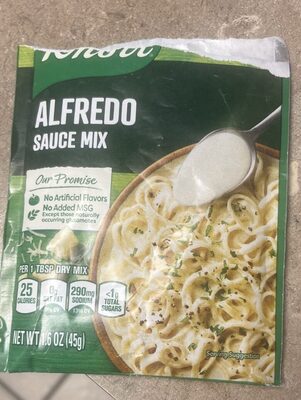
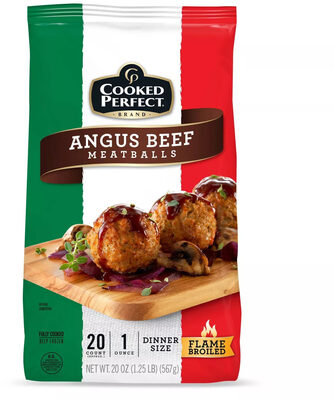
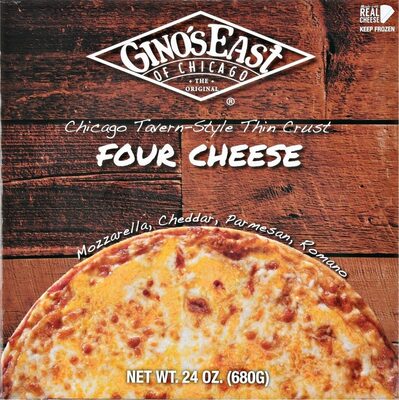
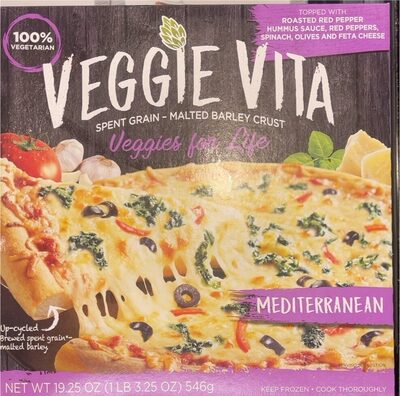
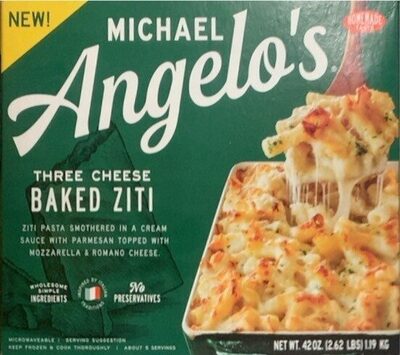
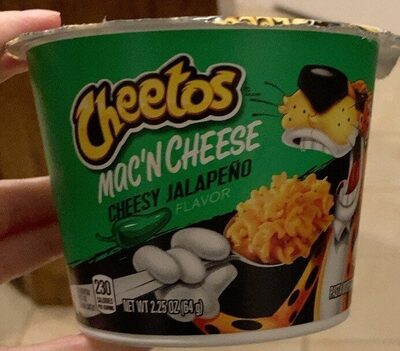
Learn more
Auto-generated content. This description was generated automatically and is pending editorial review. Inaccuracies are possible. Found a mistake? Contact us.