Salt And Rennet
What is Salt And Rennet?
Salt is a mineral compound, sodium chloride (NaCl). Rennet is a complex of enzymes, typically chymosin, traditionally sourced from the stomach lining of young, unweaned calves. Today, microbial or fermentation-produced chymosin are also common alternatives.
Is Salt And Rennet vegan?
No. Salt And Rennet is animal-derived, so it is not vegan.
Is Salt And Rennet gluten-free?
Gluten is not present.
Is Salt And Rennet a major allergen?
Rennet is derived from calf stomachs, so it is not one of the 9 major allergens.
What is Salt And Rennet used for?
Salt is used to enhance flavor, act as a preservative, and control fermentation in foods.
Is Salt And Rennet safe?
Salt (sodium chloride) is essential for human life, but high intake is linked to increased blood pressure.
Why it's used
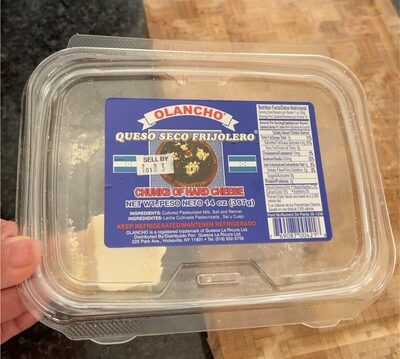
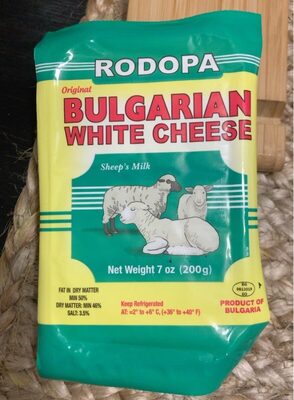
Salt is used to enhance flavor, act as a preservative, and control fermentation in foods. Rennet is primarily used as a coagulant in cheesemaking, causing milk proteins to clump together. They are frequently found together in cheese and cheese-based products.
Health notes
Salt (sodium chloride) is essential for human life, but high intake is linked to increased blood pressure. The FDA monitors sodium levels in foods. JECFA has evaluated salt and set an acceptable daily intake. Rennet is generally recognized as safe (GRAS) by the FDA for its intended use in food. JECFA has evaluated rennet and did not set a numeric limit (ADI not specified).
Allergen info
Rennet is derived from calf stomachs, so it is not one of the 9 major allergens. Salt is not a major allergen. Gluten is not present.
Foods that contain Salt And Rennet
Compare products →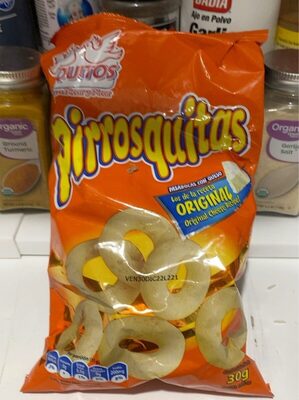
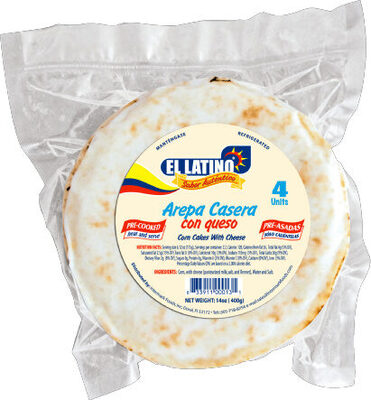
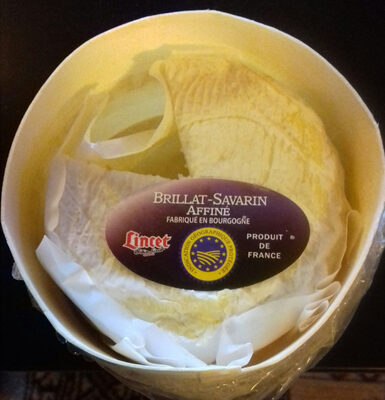
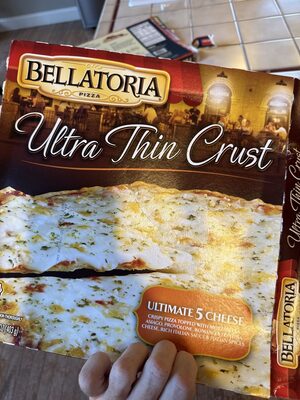
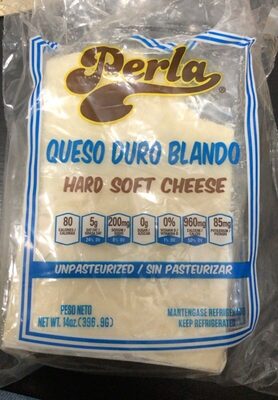 Perla
Hard Soft Cheese
High in saturated fat — 25% DV per serving
286kcal
25Protein
28.6Fat
3.6Carbs
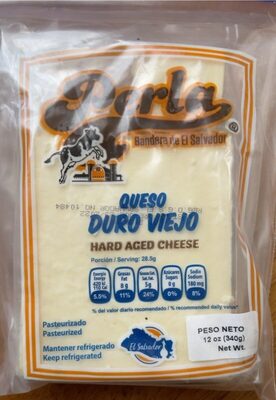 Perla
Hard Aged Cheese
High in saturated fat — 25% DV per serving
352kcal
24.6Protein
28.1Fat
0Carbs
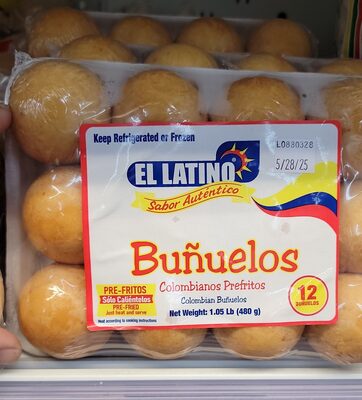
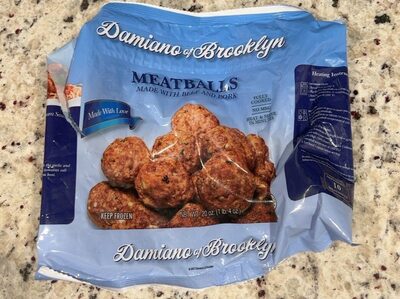
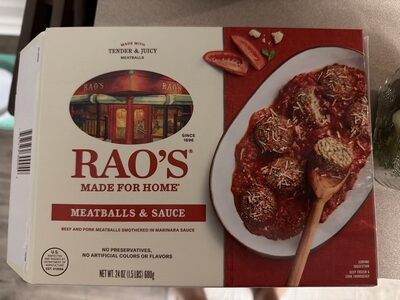
Learn more
Auto-generated content. This description was generated automatically and is pending editorial review. Inaccuracies are possible. Found a mistake? Contact us.