Sardina Pilchardus
What is Sardina Pilchardus?
Sardina pilchardus, commonly known as the European pilchard or sardine, is a small, oily fish found in the Atlantic Ocean and Mediterranean Sea. They are typically canned whole, often packed in oil or sauce, after being cleaned, cooked, and sometimes smoked.
Is Sardina Pilchardus vegan?
No. Sardina Pilchardus is animal-derived, so it is not vegan.
Is Sardina Pilchardus a major allergen?
Sardines are fish, which is one of the 9 major allergens recognized by the FDA.
What is Sardina Pilchardus used for?
Sardines are consumed as a whole food, valued for their nutritional content.
Is Sardina Pilchardus safe?
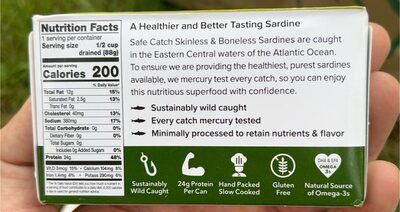
Sardines are a nutrient-dense food, rich in protein, vitamin D, vitamin B12, and calcium (especially if bones are consumed).
Why it's used
Sardines are consumed as a whole food, valued for their nutritional content. Manufacturers include them in canned seafood products, often preserved in oil, water, or various sauces, making them a convenient source of protein and omega-3 fatty acids.
Health notes
Sardines are a nutrient-dense food, rich in protein, vitamin D, vitamin B12, and calcium (especially if bones are consumed). They are also a significant source of omega-3 fatty acids, which are associated with heart health benefits. Regulatory bodies like the FDA do not set specific limits for whole fish consumption. International bodies like the WHO/FAO's JECFA have evaluated many food ingredients, but typically focus on additives rather than whole foods like sardines.
Allergen info
Sardines are fish, which is one of the 9 major allergens recognized by the FDA. Individuals with a fish allergy should avoid consuming sardines.
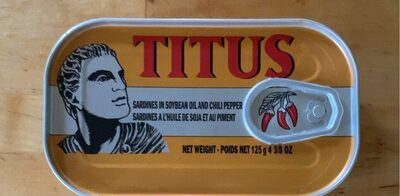
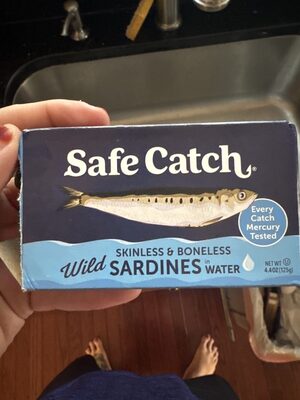
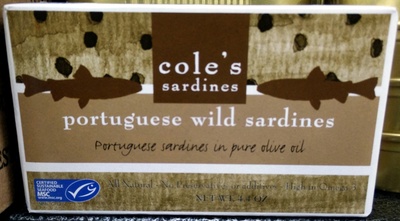
Foods that contain Sardina Pilchardus
Compare products →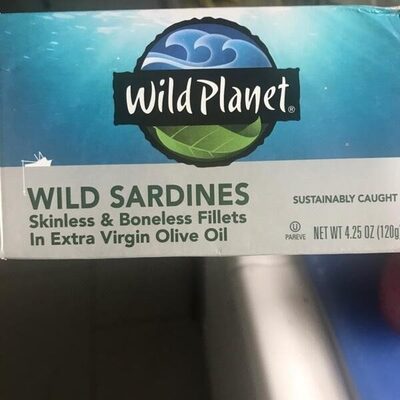

Auto-generated content. This description was generated automatically and is pending editorial review. Inaccuracies are possible. Found a mistake? Contact us.