Semolina Wheat
What is Semolina Wheat?
Semolina is a coarse flour made from durum wheat, a hard variety of wheat. It is a key ingredient in many pasta and couscous products. The milling process separates the endosperm from the bran and germ, creating a granular flour.
Is Semolina Wheat vegan?
Semolina Wheat is not animal-derived. Products that contain it can still include other animal-derived ingredients, so check the full ingredient list.
Is Semolina Wheat gluten-free?
It contains gluten.
Is Semolina Wheat a major allergen?
Semolina is derived from wheat, which is one of the 9 FDA major allergens.
What is Semolina Wheat used for?
Semolina is primarily used to make pasta, couscous, and bread.
Is Semolina Wheat safe?
Semolina is a source of carbohydrates, protein, and some B vitamins.
Why it's used
Semolina is primarily used to make pasta, couscous, and bread. Its high gluten content gives pasta its firm texture and prevents it from becoming mushy. It is also used as a thickener in some soups and puddings.
Health notes
Semolina is a source of carbohydrates, protein, and some B vitamins. It is not a major allergen. The FDA considers semolina wheat to be Generally Recognized As Safe (GRAS) for its intended use in food. JECFA has evaluated semolina and did not set a numeric limit (ADI not specified).
Allergen info
Semolina is derived from wheat, which is one of the 9 FDA major allergens. It contains gluten.
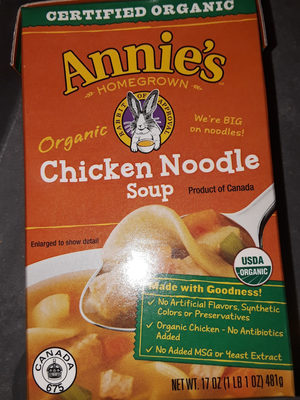
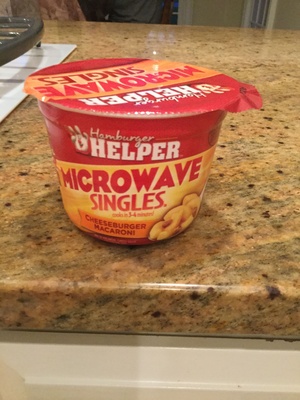
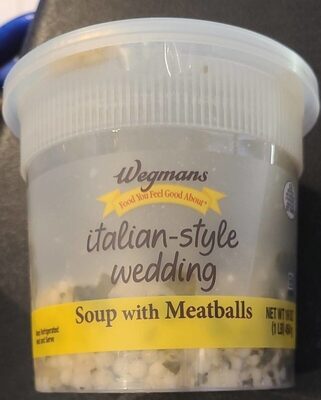
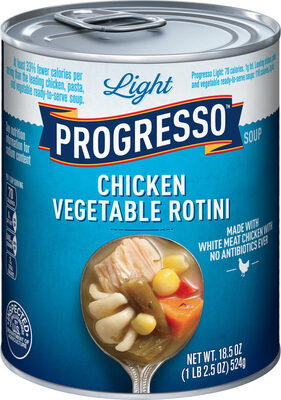
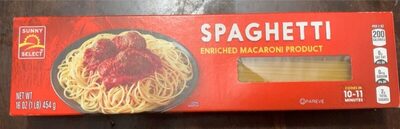
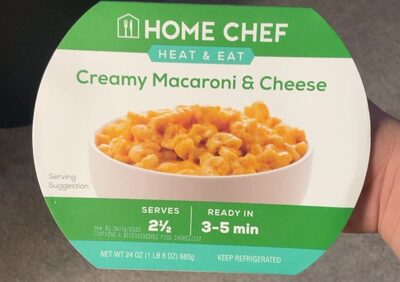
Foods that contain Semolina Wheat
Compare products →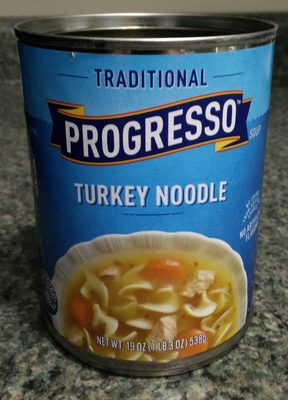
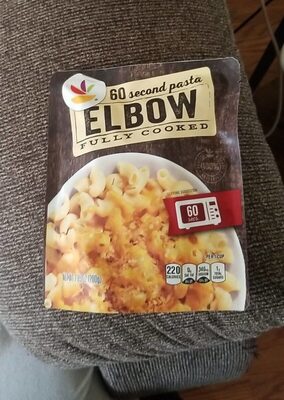
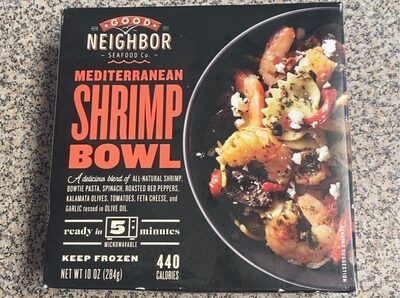
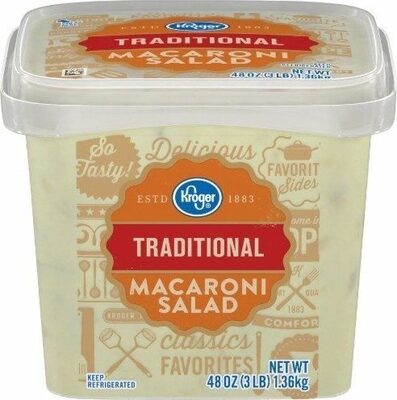
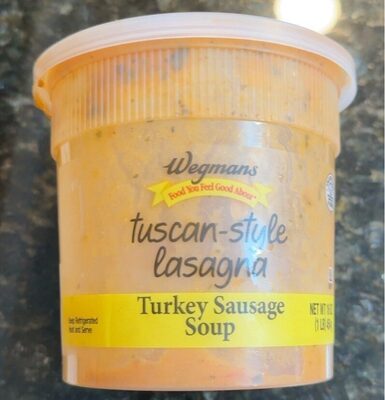
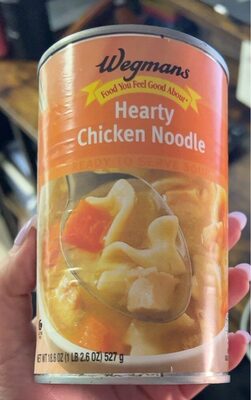

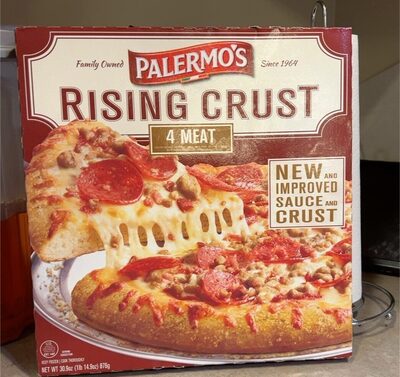
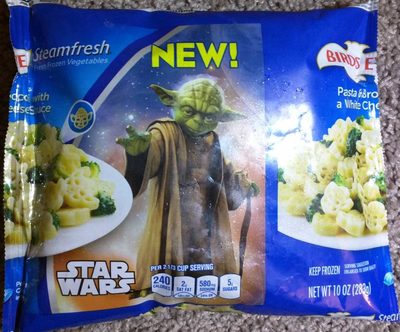
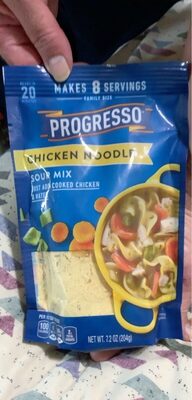
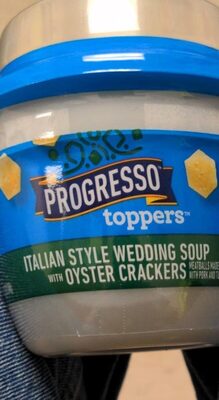
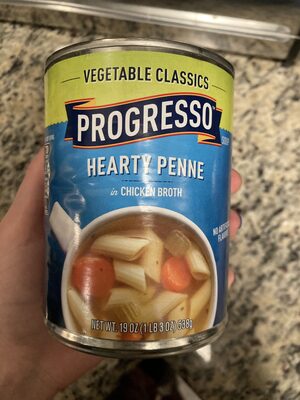
Learn more
Auto-generated content. This description was generated automatically and is pending editorial review. Inaccuracies are possible. Found a mistake? Contact us.